iGEN
Visit IGEN World Explore IGEN Expo
EXPLORE UPGRADE PLANS
BREAKING
El Nino May Weaken India's Monsoon, Threaten Rice and Maize Output, FAO Warns Nigel Farage Warns UK Social Media Ban 'Unlikely to Work' Due to VPNs YouTube Premium at $16 Includes YouTube Music: Subscription Swap Analysis for Heavy Users New Lara Croft voice actor calls role 'the pinnacle' for gaming actresses ahead of 2027 Tomb Raider games Sarvam AI Raises $234M Led by HCLTech, Becomes India's Newest Unicorn Kerala University unveils vision plan for sustainable fisheries and blue economy growth Potensic Atom 3 drone launch underscores US import ban on all foreign-made drones Tanzania's Mohammed Dewji: East African Conglomerate and Africa's Billionaire Landscape Alien: Isolation 2 Brings Classic Horror's Uncompromising Tension to New Setting Trump's UFC White House Event Opens Lobbying Channel for Corporate Interests El Nino May Weaken India's Monsoon, Threaten Rice and Maize Output, FAO Warns Nigel Farage Warns UK Social Media Ban 'Unlikely to Work' Due to VPNs YouTube Premium at $16 Includes YouTube Music: Subscription Swap Analysis for Heavy Users New Lara Croft voice actor calls role 'the pinnacle' for gaming actresses ahead of 2027 Tomb Raider games Sarvam AI Raises $234M Led by HCLTech, Becomes India's Newest Unicorn Kerala University unveils vision plan for sustainable fisheries and blue economy growth Potensic Atom 3 drone launch underscores US import ban on all foreign-made drones Tanzania's Mohammed Dewji: East African Conglomerate and Africa's Billionaire Landscape Alien: Isolation 2 Brings Classic Horror's Uncompromising Tension to New Setting Trump's UFC White House Event Opens Lobbying Channel for Corporate Interests
Home ›› Commodities ›› Commodities Energy ›› How US overtook Saudi and Russia to become world's top oil exporter

How US overtook Saudi and Russia to become world's top oil exporter

The United States has become the world's largest oil exporter, with crude and fuel shipments reaching about 10.5 million barrels per day in May, overtaking Saudi Arabia and Russia. The milestone marks a dramatic reversal from past dependence on imported oil, driven by the shale revolution, the lifting of a four-decade export ban in 2015, and recent geopolitical disruptions including the Strait of Hormuz crisis. European and Asian buyers are increasingly turning to US supplies, reshaping global trade flows and challenging OPEC's influence.

iG
iGEN Editorial
June 12, 2026
How US overtook Saudi and Russia to become world's top oil exporter

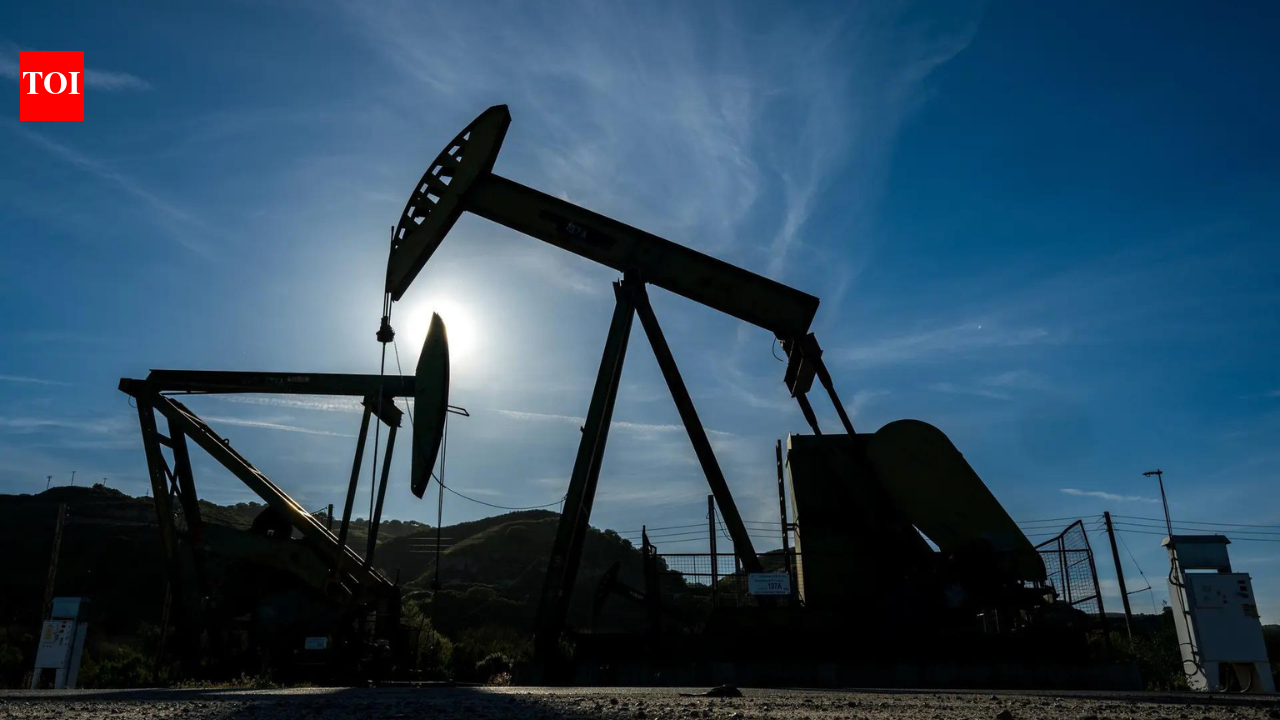
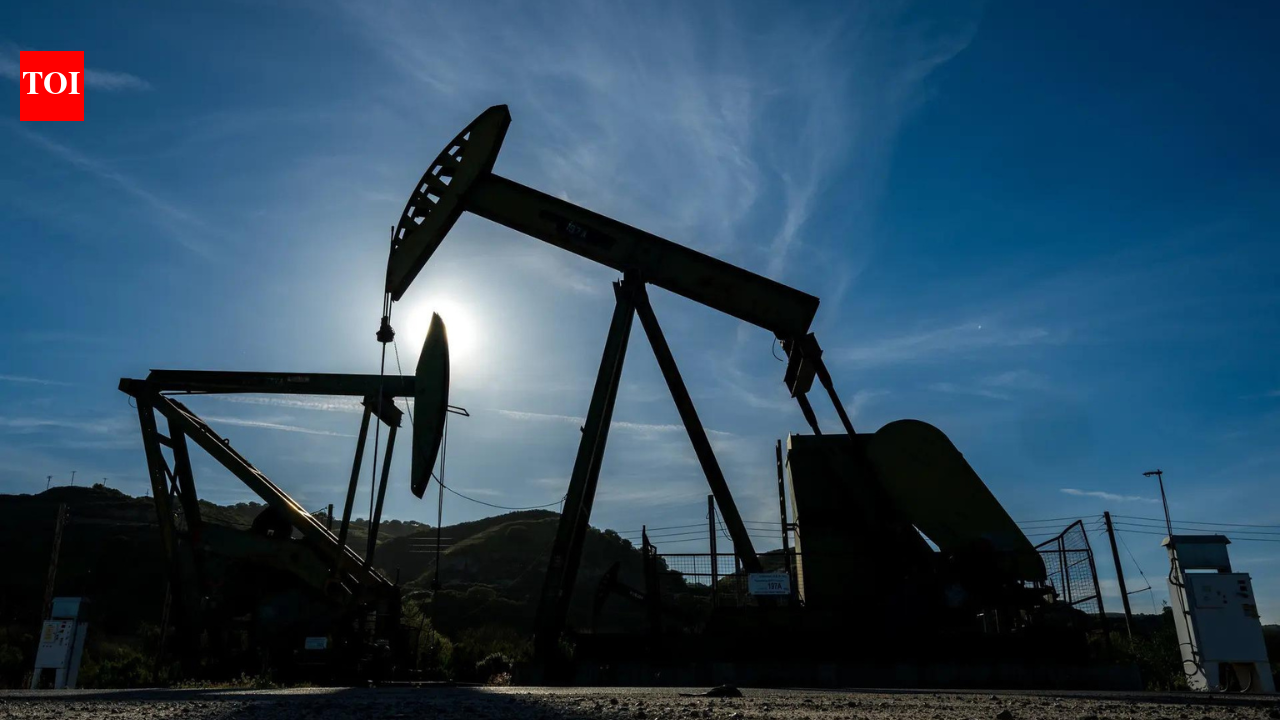
The United States has climbed to the top spot in global oil export rankings, overtaking crude heavyweights Saudi Arabia and Russia, according to a detailed report by Business Today. US exports of crude and fuel reached around 10.5 million barrels per day (bpd) in May, marking the third straight month the country held the position of the world's largest oil exporter. By comparison, Russian exports stood at 7 million bpd in May, per Reuters calculations, while Saudi Arabia exported 5.9 million bpd, according to Vortexa data.

From embargo to export power

Just a year earlier, the rankings looked very different: Saudi Arabia exported around 8.1 million bpd, ahead of the United States at 6.6 million bpd, while Russia's exports were estimated at roughly 5.8 million bpd. The shift accelerated after supplies through the Strait of Hormuz, a key Middle Eastern oil passage, were disrupted for more than 100 days. The conflict began on February 28, when the US and Israel launched joint strikes on Iran. Iran then tightened its grip on the crucial passage, putting global energy supplies under pressure. Separately, Russian shipments have been hit by Ukrainian drone attacks and US sanctions imposed after Moscow's invasion of Ukraine.

Supply-side revolution

The US transformation gathered pace after 2010 as output from shale formations surged. The country first became the world's largest natural gas producer before emerging as the top oil producer. A turning point came in 2015 when the United States lifted a four-decade ban on crude exports that had been introduced after the Arab oil embargo. Ten years later, US output has become a major force in global markets.

'Washington has a new tool they didn't realize they had before the Iran war — energy exports,' said Michelle Brouhard, head of policy at ship tracking firm Kpler.

Since 2000, US crude and liquids output has nearly tripled, reaching around 22 million bpd. Over the same period, Saudi Arabia's output has largely remained within a range of 10 million to 12 million bpd, depending on OPEC quotas. Russia's oil and liquids production rose from 6 million bpd in 2000 to 10 million bpd by 2010 and expanded by another 2 million bpd during the following decade, but since 2020 has slipped to below 10 million bpd.

Country May 2026 exports (bpd) Year earlier (bpd) 2000 output (bpd) Recent output (bpd)
US 10.5 million 6.6 million ~7-8 million ~22 million
Russia 7.0 million ~5.8 million 6 million <10 million
Saudi Arabia 5.9 million 8.1 million 10-12 million 10-12 million

Demand and trade flows shift

Global oil consumption increased from 87 million bpd in 2010 to 104 million bpd last year, with much of the additional demand being met by the US oil boom. European buyers have increasingly turned to the United States since the Ukraine war began in 2022. Europe accounted for around 47% of US oil exports so far this year, compared with 37% in 2021. Asian nations are also sourcing more crude from the US. The region represented about 46% of US oil exports in May, up from roughly 37% last year, signalling a broader shift in global trade flows.

Brouhard noted that the United States now holds significant leverage because of the increasing dependence of some countries on American energy supplies. 'You can see now the leverage the United States has over some of these countries because they are dependent on the US for their oil or gas,' Brouhard told Reuters, adding that the US was the largest provider of crude to Europe and the second-largest provider of distillates.

OPEC challenged

OPEC's position was further tested in May when the United Arab Emirates, one of its biggest members, withdrew from the group after nearly 60 years. Igor Sechin, chief executive of Rosneft and a close ally of President Vladimir Putin, said this month that US energy companies had been the primary beneficiaries of the closure of the Strait of Hormuz.

The structure of the US oil industry also sets it apart from Saudi Arabia and Russia. While governments in those countries directly influence production and export targets, American output is largely determined by private companies responding to market conditions. This dynamic, combined with sustained production growth and shifting geopolitical alliances, means the United States is likely to remain a dominant force in global oil markets for the foreseeable future.


Sources: Business-Today
Keep Reading

Recommended Stories

Crude Oil Prices Dip Amid Middle East Tensions Commodities

Crude Oil Prices Dip Amid Middle East Tensions

Crude oil prices saw a slight decline as Hezbollah rejected a US-backed ceasefire proposal in Lebanon, impacting global supply routes. Despite this, oil prices recorded a weekly gain due to ongoing Middle East tensions.

June 6, 2026
Crude Oil Prices Rise Amid US-Iran Talks and Hormuz Uncertainty Commodities

Crude Oil Prices Rise Amid US-Iran Talks and Hormuz Uncertainty

Crude oil prices saw a slight increase due to ongoing uncertainty over US-Iran negotiations and the potential reopening of the Strait of Hormuz. Brent crude futures rose to $95.04 a barrel, while WTI slightly declined to $91.99.

June 2, 2026
U.S.-Iran Peace Deal Reopens Strait of Hormuz, Unleashing Global Oil Supply Commodities

U.S.-Iran Peace Deal Reopens Strait of Hormuz, Unleashing Global Oil Supply

The United States and Iran have reached a peace deal to end the war and lift restrictions on the Strait of Hormuz, through which 20% of the world's crude oil flows. The agreement suspends sanctions on Iranian oil, releases $24 billion in frozen assets, and provides a 60-day period to negotiate a permanent settlement. The U.S. will lift its blockade within 30 days, but analysts caution it will take two to three months for shipping to fully normalize due to mines and supply chain bottlenecks.

June 15, 2026
Oil Prices Tumble 4% as Trump Announces US-Iran Deal, Strait of Hormuz Reopening; Brent Falls Below $85 Commodities

Oil Prices Tumble 4% as Trump Announces US-Iran Deal, Strait of Hormuz Reopening; Brent Falls Below $85

Oil prices plunged to lowest since March on Monday after US President Donald Trump announced the completion of a deal with Iran and the immediate toll-free reopening of the Strait of Hormuz. Brent crude futures dropped 4.1% to $83.75 a barrel, while WTI fell 4.72% to $80.87, easing fears of supply disruptions through the critical waterway. The diplomatic breakthrough, mediated by Pakistan, will be formally signed in Switzerland on June 19.

June 15, 2026