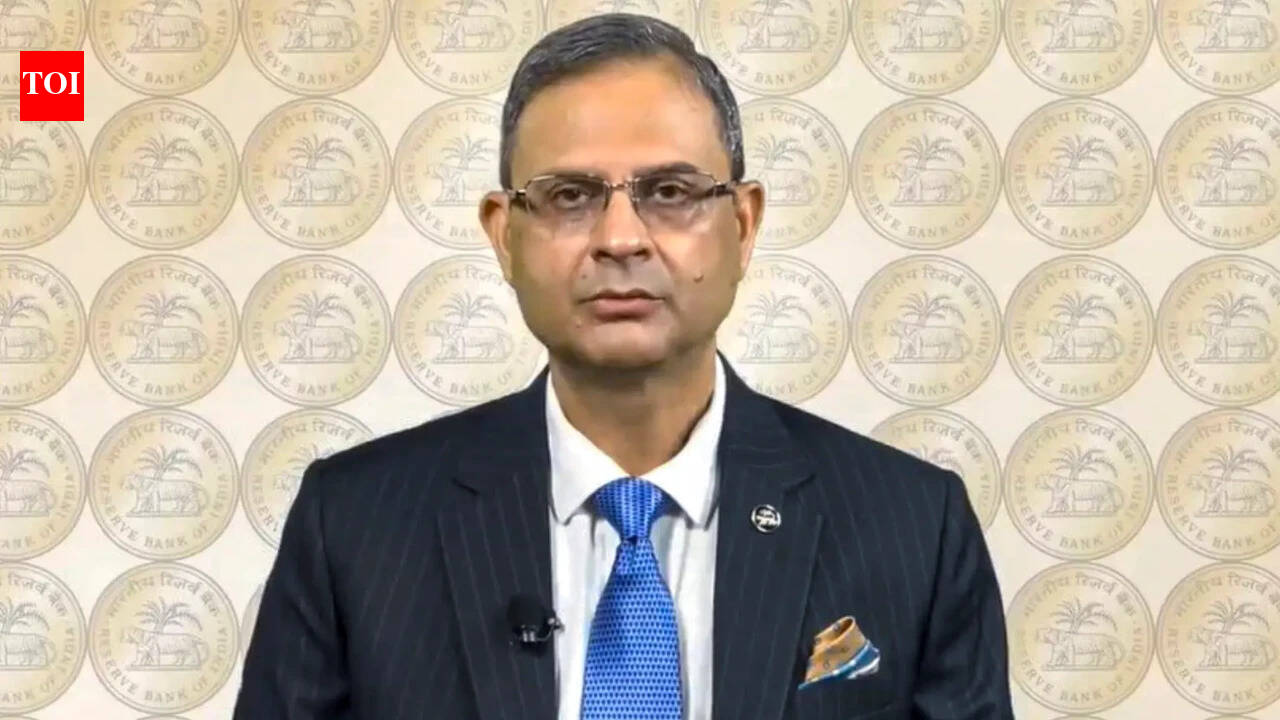
The Indian government has extended the tenure of Reserve Bank of India (RBI) Deputy Governor Swaminathan Janakiraman for two years, according to a statement from the central bank.
Tenure Extension and Effective Date
The government announced the reappointment through an official statement: "The Central Government has re-appointed Swaminathan Janakiraman as Deputy Governor, Reserve Bank of India, for a period of two years with effect from June 26, 2026, or until further orders, whichever is earlier," the central bank said. He was initially appointed as RBI Deputy Governor for a three-year term in June 2023.
Composition of RBI Deputy Governors
Under the RBI Act, 1934, the central bank is required to have four deputy governors: two from within its ranks, one commercial banker, and one economist to head the monetary policy department. The current deputy governors, as reported, are:
| Name | Role Context |
|---|---|
| Swaminathan Janakiraman | Reappointed for two years; replaced MK Jain (former MD of IDBI Bank) |
| Poonam Gupta | Deputy Governor |
| Shirish Chandra Murmu | Deputy Governor |
| Rohit Jain | Deputy Governor |
Background and Legal Framework
Swaminathan Janakiraman succeeded MK Jain, who was the former Managing Director of IDBI Bank, upon his initial appointment in June 2023. The extension ensures that the RBI maintains its full complement of four deputy governors as mandated by the RBI Act, 1934 — a requirement that supports the central bank's governance structure. The other three deputy governors — Poonam Gupta, Shirish Chandra Murmu, and Rohit Jain — continue in their roles. This continuity in leadership is a critical factor for financial market participants, as consistency among the top echelons of the central bank fosters predictability in monetary policy and regulatory decisions. The decision, taken by the central government, underscores the administration's confidence in Swaminathan Janakiraman's stewardship at a time when the RBI navigates domestic inflation dynamics and global economic uncertainties. For trade finance professionals and treasury executives, stable central bank governance reduces policy uncertainty, which in turn supports favourable conditions for trade credit and forex hedging strategies. The reappointment also signals the government's intent to uphold the statutory framework of the RBI, ensuring that the deputy governor positions remain filled by individuals with requisite banking and economic expertise.
Sources: