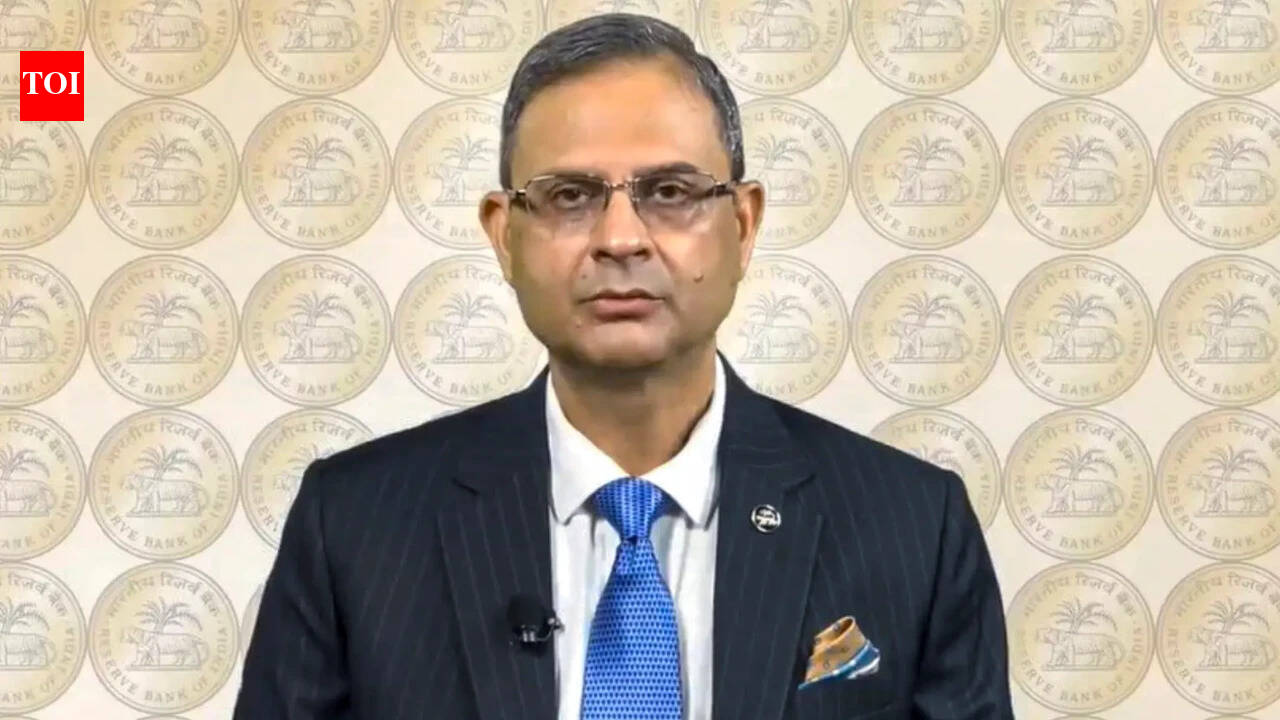
RBI Governor Sanjay Malhotra said inflows of over $36 billion from the special FCNR(B) deposit scheme for non-residents will have a temporary and limited impact on liquidity, with surplus conditions expected to ease after peaking around the second quarter, according to a Business-Today report published on August 5, 2026. Malhotra said the central bank had no target for dollar mobilisation under the scheme and no proposal to either advance its closure or extend it.
Liquidity Outlook: A Short-Lived Surplus
Malhotra said liquidity conditions will remain in surplus only briefly, with the peak expected around September. "liquidity may be in surplus only for the very short term. It may peak around Q2, around September or so, and going forward it should absorb, because of our normal needs of the economy - - through increasing currency in circulation, higher requirement for reserves because of deposit growth. We also have some forwards which are getting matured," he said.
The absorption will be driven by three factors, according to the governor:
- Increasing currency in circulation
- Higher requirement for reserves because of deposit growth
- Maturing forwards
Malhotra described the liquidity impact as consistent with the annual infusion the RBI undertakes through open market operations and swap transactions.
Reserve Management and Dollar Deployment
On the deployment of the dollars exchanged with banks, Malhotra said the decision would follow the same process as other additions to forex reserves. "There is a high-level committee, with members from the government also participating regularly, and we take a call on how to manage the reserves based on three principles of security, liquidity, and returns," he said, according to Business-Today. He added that the balance sheet is growing at "more or less a normal pace, barring a flood of unexpected deposits," and reiterated that the injected liquidity would be short-lived.
Key Data Points at a Glance
| Metric | Detail | Source |
|---|---|---|
| FCNR(B) inflows (last three weeks of July) | Over $36 billion | RBI Governor Sanjay Malhotra |
| Expected liquidity peak | Q2, around September | Malhotra |
| Dollar mobilisation target | None | Malhotra |
| Proposal to advance or extend scheme | None | Malhotra |
| Reserve management principles | Security, liquidity, returns | Malhotra |
Implications for Corporate Treasury and Trade Finance
The RBI's guidance provides a defined timeline for rupee liquidity conditions. According to Malhotra, the current surplus will peak around Q2—approximately September—and then absorb as the economy's normal needs resume: increasing currency in circulation, higher reserve requirements from deposit growth, and maturing forwards. For finance executives managing cash portfolios and FX positions, this indicates that the present rupee surplus is a short-term phenomenon rather than a sustained easing cycle.
Malhotra also clarified there is no target for dollar mobilisation under the FCNR(B) scheme and no proposal to advance or extend its closure. The dollars exchanged with banks will be managed through the standard forex reserve framework, overseen by a high-level committee with government members, based on the principles of security, liquidity, and returns.
For trade finance desks, the key data points are the $36 billion in inflows over three weeks and the expected absorption after September. The RBI's description of the balance sheet growing at a normal pace, "barring a flood of unexpected deposits," suggests that the extraordinary inflow will not alter the central bank's structural liquidity operations via open market operations and swap transactions.
Sources: