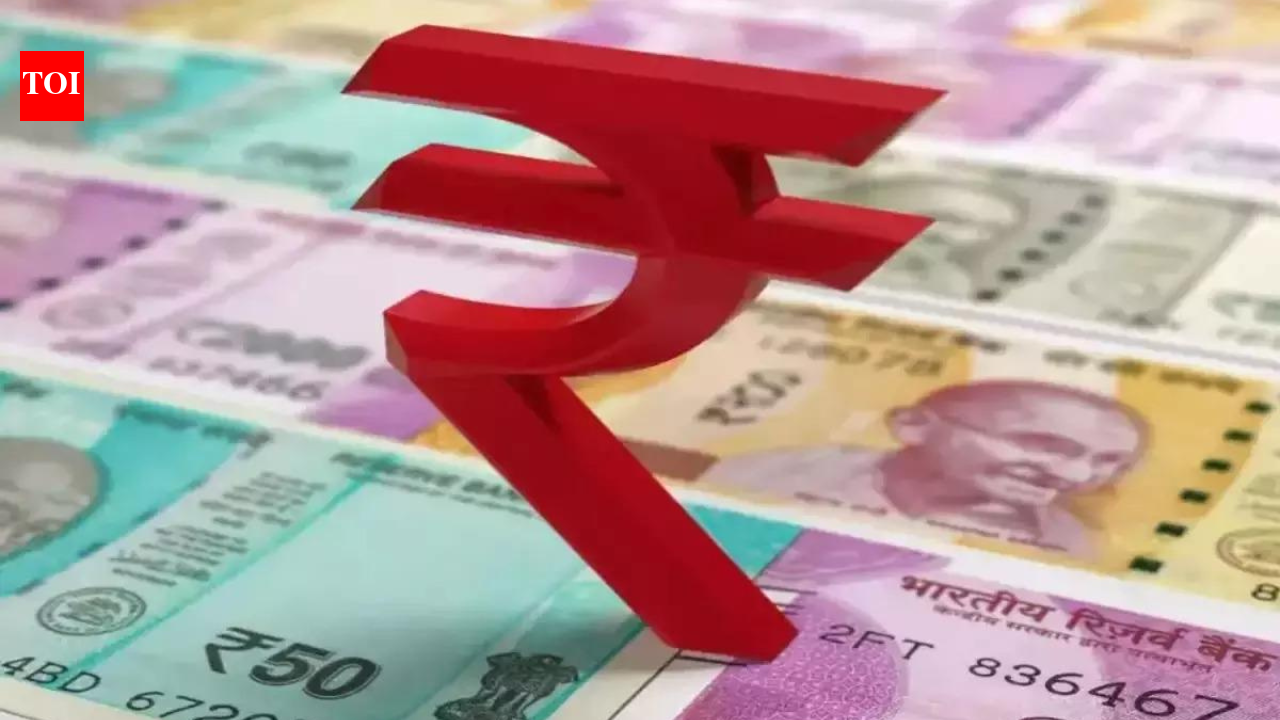
The Indian rupee opened sharply higher on Friday, rising 20 paise to 94.20 against the US dollar in early interbank trade, according to Business Today. The currency recovered from an all-time closing low in the previous session, gaining strength on renewed hopes of a comprehensive India-US trade agreement and supportive global cues.
Currency Movement and Market Data
The rupee opened at 94.30 before strengthening further to 94.20 against the greenback, as reported by Business Today. The domestic currency had settled at an all-time closing low in the prior session. Forex traders attributed the rebound to improving foreign inflows and softer crude oil prices, which continued to provide support, according to the source.
| Metric | Value | Change |
|---|---|---|
| Rupee vs USD (early trade) | 94.20 | +20 paise |
| Dollar Index (DXY) | 100.92 | +0.08% |
| Brent Crude Futures | $79.17/barrel | -0.85% |
| Sensex | 76,624.90 | -786.58 pts |
| Nifty | 23,959.80 | -210.95 pts |
Trade Deal Optimism
Market sentiment was buoyed by progress in bilateral trade negotiations. Foreign Secretary Vikram Misri said on Thursday that trade figured prominently in talks between Prime Minister Narendra Modi and US President Donald Trump on the sidelines of the G7 Summit, marking their first wide-ranging discussions in 16 months, according to Business Today. Misri added that considerable progress had already been achieved on the interim trade pact and that US Trade Representative Jamieson Greer is expected to visit India next week to continue negotiations.
RBI Intervention and Reserve Management
Analysis from CR Forex Advisors suggests the Reserve Bank of India (RBI) is actively using the current inflow of dollars to strengthen its reserve position. Managing Director Amit Pabari told PTI, as cited by Business Today: "The RBI is expected to use incoming dollar flows to rebuild forex reserves and gradually reduce its large forward dollar book, estimated at around USD 110 billion. Market participants believe the central bank may have already purchased USD 3–5 billion over the last two sessions." Pabari emphasized that this is not a sign of concern but rather reflects the RBI taking advantage of favourable market conditions. He noted that "such buying can naturally slow the pace of rupee appreciation, making the move stronger but more gradual."
Global Commodities and Dollar Index
Globally, the dollar index edged up 0.08% to 100.92, while Brent crude futures declined 0.85% to $79.17 per barrel, according to Business Today. The decline in oil prices is a positive factor for oil-importing nations like India, supporting the rupee and other emerging market currencies.
Domestic Equity Market Impact
Despite the rupee's gains, domestic equity markets traded lower. The Sensex fell 786.58 points to 76,624.90 in early trade, while the Nifty slipped 210.95 points to 23,959.80, Business Today reported. According to exchange data, foreign institutional investors remained net sellers on Thursday, offloading equities worth Rs 1,025.20 crore.
Implications for Trade Finance Professionals
The rupee's recovery and the RBI's intervention strategy have direct implications for corporate treasuries and trade finance professionals. The modest appreciation provides some relief to importers by reducing the cost of dollar-denominated payments; however, the RBI's gradual buying approach signals that a sharp appreciation is unlikely, preserving export competitiveness. The large forward dollar book of approximately USD 110 billion indicates that hedging costs for trade finance may remain elevated as the central bank manages its exposure. The ongoing trade negotiations with the US, including the expected visit of USTR Greer, add a layer of policy risk for businesses with cross-border exposures. Treasury directors should monitor the pace of RBI intervention and trade deal developments to calibrate FX hedging strategies effectively.
Sources: