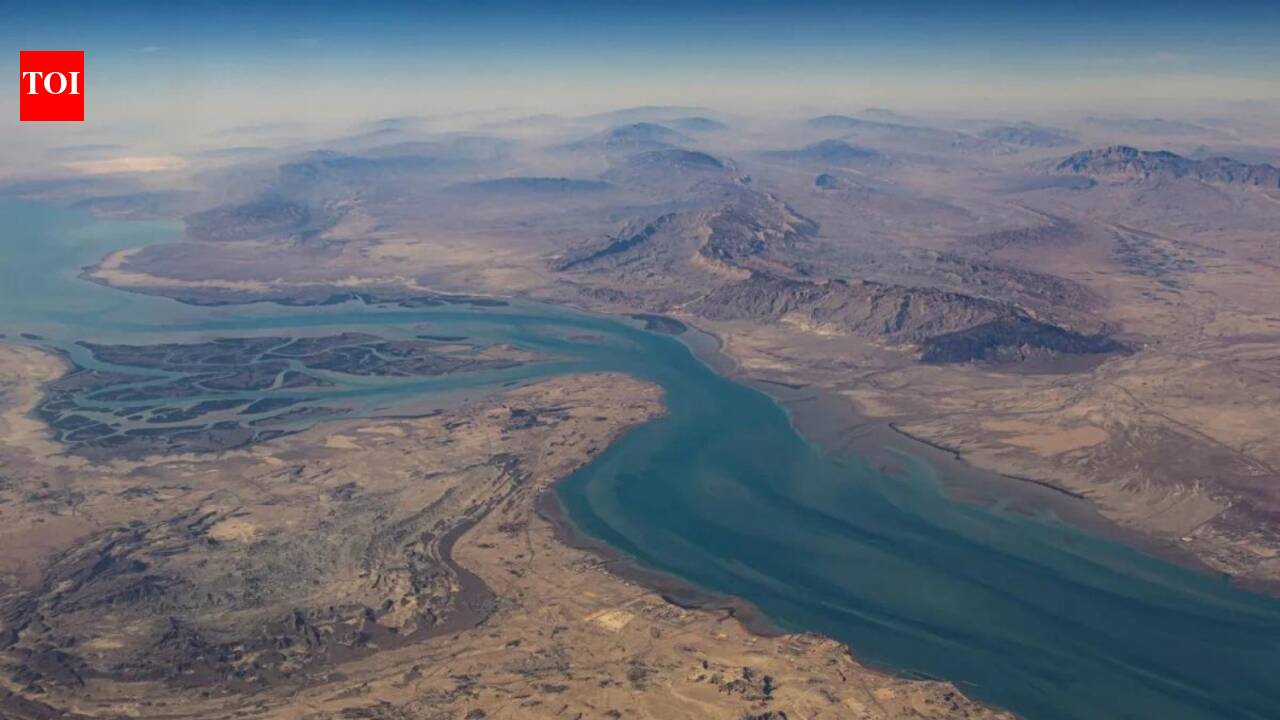
Indian state-run refiners have already secured sufficient crude for the next two months and are in no rush to resume purchases from West Asia even after the Strait of Hormuz reopened to commercial traffic following a US-Iran interim peace deal, according to people familiar with the matter who spoke to Bloomberg.
Supply dynamics: West Asian crude restricted
West Asian suppliers, including Abu Dhabi National Oil Co (Adnoc), have asked Indian state-owned refiners to begin taking contractual volumes under long-term supply agreements, the people said. However, the refiners have yet to commit. India's imports of West Asian crude fell in the second quarter to the lowest level since at least 2013, according to data compiled by Kpler. The decline came as state-owned refiners took more spot cargoes from alternative suppliers such as Russia and South America to replace missing Persian Gulf barrels.
During the conflict, energy shipments through the Strait of Hormuz came to a near-total halt due to a double blockade by both Tehran and Washington. Shipments are now starting to recover as vessels trickle through, but the central government in New Delhi has yet to make a call on when vessels can safely return to load cargoes in the region, the people said. State-owned refiners typically purchase West Asian crude on a loading basis, requiring buyers to arrange shipping.
Demand from Indian refiners: Preference for alternatives
Indian refiners are likely to continue taking Russian crude despite the expiry of US waivers on Thursday, as the industry has largely found workarounds, the people said. Russian cargoes remain cheap, with discounts of $1 to $2 a barrel to Dated Brent. The discounts may widen further as supply availability improves, they added.
| Crude source | Pricing basis | Discount vs Dated Brent | Supply reliability |
|---|---|---|---|
| Russian | Delivered | $1–$2/barrel | Workarounds exist |
| West Asian | Loading (FOB) | Not specified | Subject to ceasefire durability |
Indian Oil Corp recently issued a tender to charter a very large gas carrier, a Suezmax tanker, and a very large crude carrier to take liquefied petroleum gas and crude from ports behind the Strait of Hormuz, the people said. However, they cautioned that this tender is a test of vessel availability and not necessarily a signal of imminent resumption of imports from the region.
Freight costs and geopolitical uncertainty
Refiners are also bracing for higher freight rates as global buyers rush to secure tankers due to uncertainty over the durability of the ceasefire agreement. This makes cut-price cargoes from suppliers such as Russia — bought on a delivered basis — more attractive. The people noted that despite the expiry of US waivers, Indian refiners have found workarounds to continue taking Russian barrels.
Adnoc declined to comment. India’s oil and shipping ministries, as well as Indian Oil, did not immediately reply to emails seeking comments.
Price outlook and key data releases
The global oil market remains focused on the Strait of Hormuz after the US and Iran agreed to an interim peace deal this week that should allow transits to resume. However, the durability of the agreement is uncertain, keeping freight rates elevated and supporting the attractiveness of Russian crude with its $1–$2/barrel discount to Dated Brent. Indian refiners' cautious stance may keep downward pressure on West Asian crude premiums while supporting Russian and other alternative suppliers. Key upcoming data to watch include US EIA inventory reports, OPEC+ compliance rates, and any further policy shifts from the Indian government on crude sourcing.
Sources: