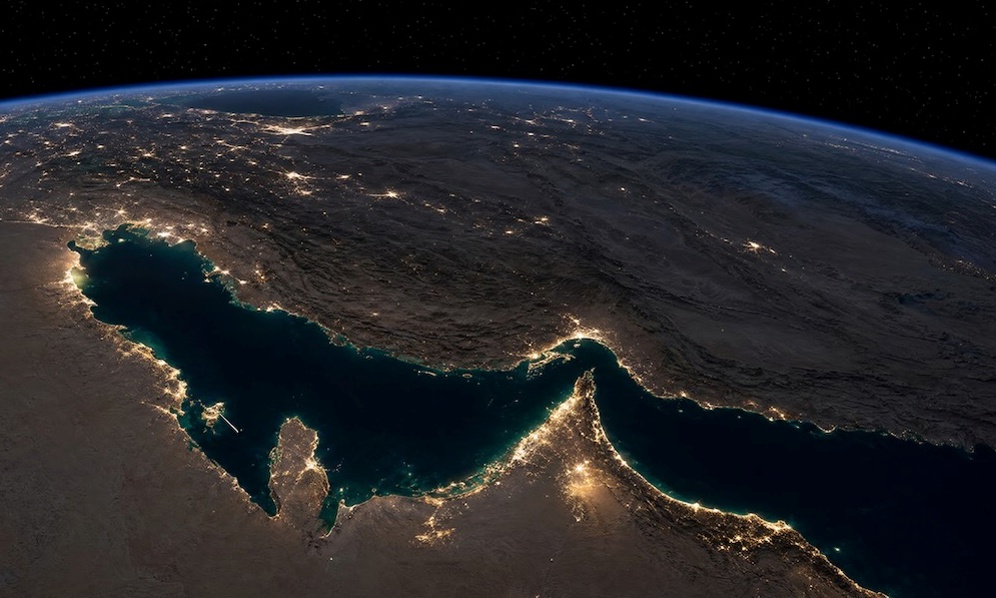
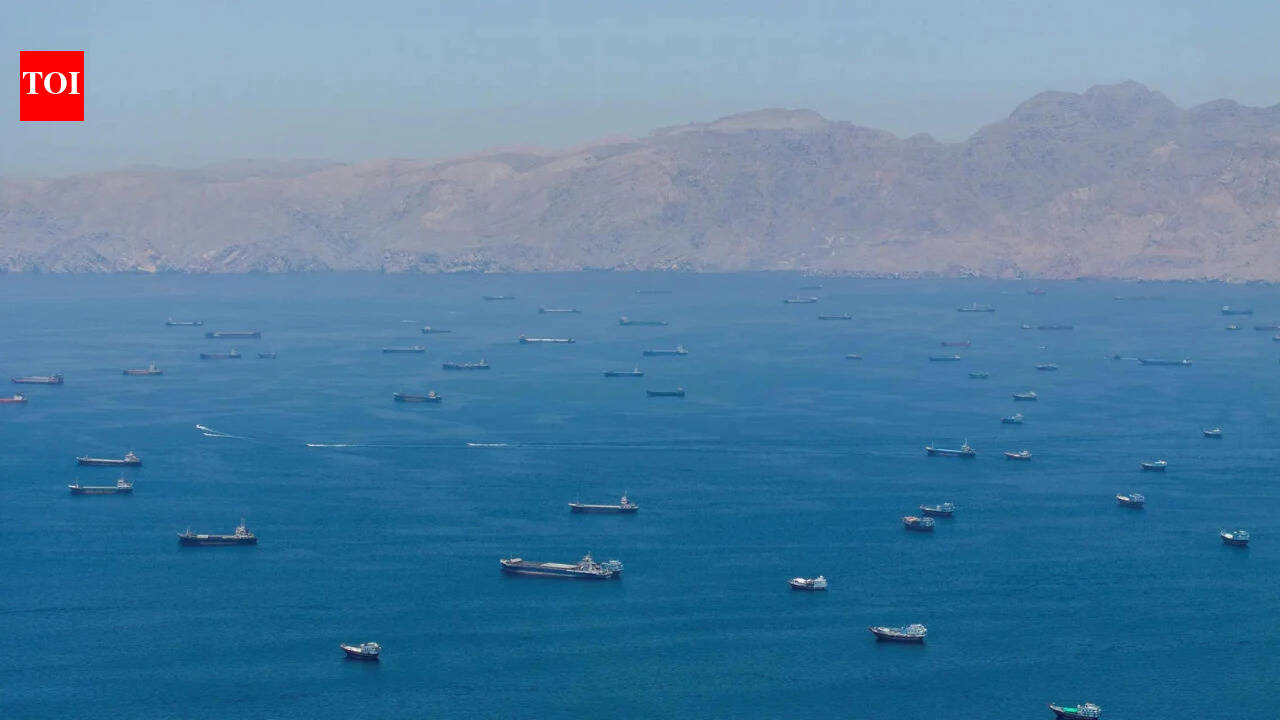
The phased reopening of the Strait of Hormuz (SoH), expected to begin in July, will prioritize liquefied petroleum gas (LPG) shipments, directly addressing India's severe supply disruption for a commodity used by more than 33.50 crore households, according to Kpler, a global real-time data and analytics provider.
The Middle East Gulf (MEG) region accounts for approximately 42% of India's crude imports, 91% of its LPG imports, and about 60% of its LNG imports in 2025, Kpler reported. The disruption has hit LPG hardest, with imports falling to around 51% of pre-war levels, creating the strongest replenishment requirement.
Three-Phase Recovery Plan
Sumit Ritolia, Kpler’s Lead Research Analyst for Refining & Modelling, outlined a gradual reopening. “Our base case assumes a gradual reopening beginning in early July. The recovery is expected to occur in phases rather than through an immediate normalisation of trade flows,” he told businessline. The recovery will be sequential rather than simultaneous across commodities.
| Phase | Timeline | Key Actions |
|---|---|---|
| Phase 1 | Weeks 0-4 | Evacuate stranded and delayed cargoes already within the Gulf; priority given to laden vessels carrying crude, products, LPG, chemicals, and LNG; opportunistic purchases of LPG and crude subject to vessel availability |
| Phase 2 | Weeks 3-10 | Ballast (empty) vessels gradually return to Gulf loading ports; LPG imports prioritized due to India's dependence, inventory drawdowns, and strong restocking demand; LNG and crude flows follow |
| Phase 3 | Week 4 onwards | Two-way shipping flows restored, storage pressures ease; Gulf producers increase exports sustainably; crude imports via MEG begin to normalise; refiners gradually increase runs and product exports recover |
Crude Oil Dynamics
Crude oil imports remained relatively resilient throughout the disruption, supported by continued availability of Gulf barrels via bypass export routes such as Saudi Arabia’s Yanbu and the UAE’s Fujairah/Habshan pipeline, alongside cargoes that still transited the SoH. Strong inflows of Russian crude and rising Venezuelan volumes further cushioned the impact, Ritolia noted. He stated, “As a result, a Hormuz reopening is unlikely to materially alter India’s crude import requirements in the near term. However, it could gradually reshape sourcing patterns, allowing Gulf producers to regain market share as logistics normalise.”
Given that a large portion of India’s July 2026/August-arrival crude purchases have already been secured, the scope for an immediate increase in Middle Eastern crude imports remains limited.
Shipper and Operator Implications
Operators should prepare for a staggered recovery, with LPG tankers receiving first priority for berthing and loading at Gulf ports. Freight forwarders handling LPG and LNG shipments should expect initial congestion as stranded cargoes are cleared, followed by a gradual return of ballast vessels. For crude, near-term import volumes are unlikely to shift dramatically, but longer-term sourcing patterns may adjust as Gulf producers regain competitiveness. Vessel availability remains a key constraint in the early phases.
Watch List
- Actual timeline for Phase 1 commencement and confirmation of vessel movement schedules.
- Speed of ballast vessel deployment to Gulf loading ports in Weeks 3-10.
- Evolution of bypass route usage (Yanbu, Fujairah) as SoH transit normalises.
- Impact of Russian and Venezuelan crude inflows on Gulf crude import recovery.
- Storage and inventory levels at Indian ports for LPG and LNG.
Sources: