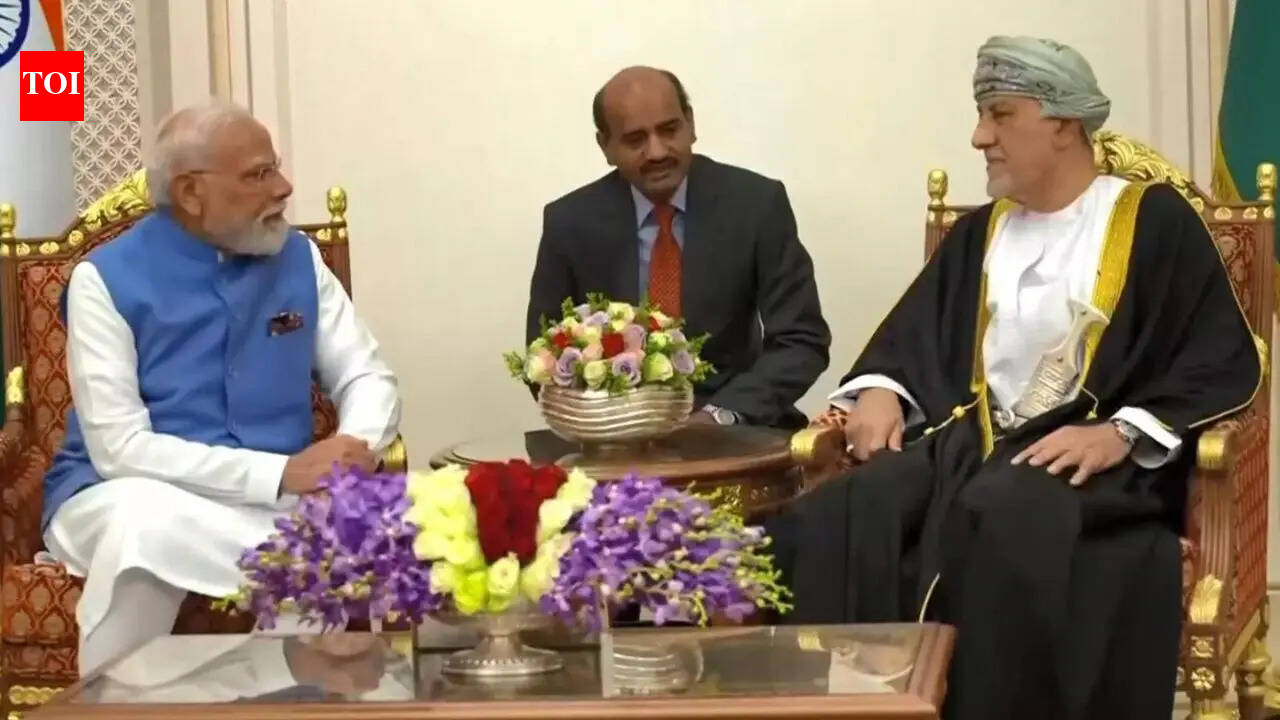
The recently signed India-Oman Free Trade Agreement is set to significantly enhance India's export capabilities in the livestock sector, particularly for poultry and marine products. This agreement, effective from June 2026, offers duty-free access to key Indian exports, making them more competitive in the Gulf region.
Strategic Gulf Market Access
The India-Oman FTA is a strategic move to enhance India's agricultural export footprint in the Gulf. Divya Kumar Gulati, Chairman of CLFMA of India, highlighted the agreement's potential to boost exports of shrimp, fish, eggs, and other food items. "The grant of duty-free access to marine products provides Indian seafood exporters with a stronger platform to expand their presence in Oman," Gulati stated.
Untapped Potential in Marine Exports
In 2025, Oman imported marine products worth $35.3 million, with India's contribution being a mere $10 million. This indicates a substantial untapped potential for Indian exporters. The FTA aims to bridge this gap, benefiting coastal economies in Andhra Pradesh, Kerala, Tamil Nadu, and Gujarat.
"India already accounts for 17.8% of Oman’s agricultural imports, over 94% of its bovine meat imports, and more than 98% of its fresh egg imports," Gulati added.
Poultry Sector Gains
The agreement also benefits the poultry sector, particularly egg exports. Valsan Parameswaran, Secretary of the All India Poultry Exporters Association, noted the removal of the current 5% import duty on eggs would enhance competitiveness against other origins like Iran and Turkey.
Economic Impact
The FTA is expected to drive higher export earnings, rural employment, and value addition across the agricultural value chain. With agricultural exports to Oman reaching nearly $553 million in 2025, the duty-free access is poised to create new opportunities for farmers and agri-exporters.
| Product Category | Current Import Duty | Expected Change |
|---|---|---|
| Eggs | 5% | Duty-Free |
| Marine Products | Varies | Duty-Free |
Overall, the India-Oman FTA is a timely opportunity to strengthen India's footprint in Gulf food markets, improve returns for producers, and further establish the country as a reliable global supplier of high-quality agricultural and marine products.