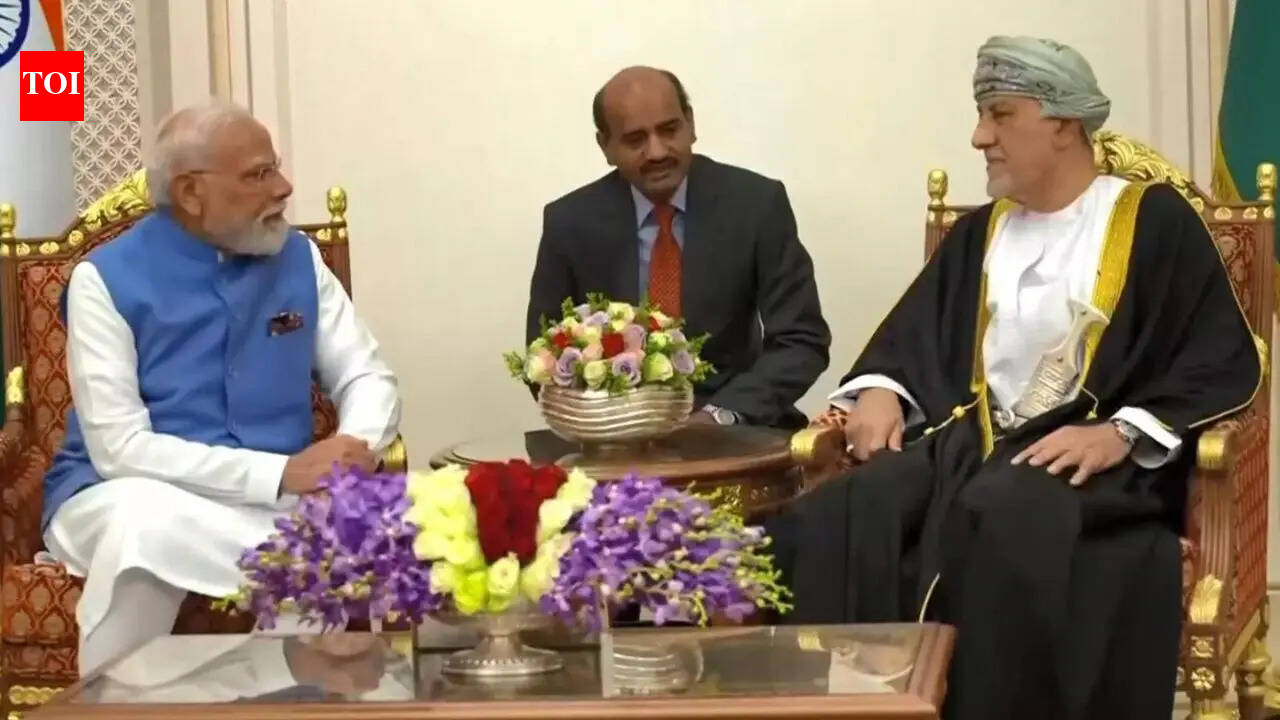
The newly implemented free trade agreement (FTA) between India and Oman marks a significant milestone in bilateral trade relations. Effective from June 1, 2026, the agreement facilitates the exchange of goods at reduced or zero tariffs, aiming to strengthen economic ties between the two nations.
Key Provisions of the FTA
The FTA offers substantial tariff reductions:
- 99% of goods exported by India, including textiles, leather, and engineering goods, benefit from reduced tariffs.
- 78% of products imported from Oman, such as energy and industrial goods, also see tariff reductions.
"Oman is willing to supply more fertiliser and petrochemicals to India," stated Pankaj Khimji, Oman's foreign trade advisor.
Economic Implications
The agreement is expected to bolster trade volumes significantly. Oman has expressed readiness to increase its supply of fertilisers and petrochemicals, crucial for India's agricultural and industrial sectors.
Table: Tariff Changes
| Product Category | Tariff Reduction |
|---|---|
| Indian Exports | 99% |
| Omani Imports | 78% |
Strategic Benefits
The FTA also includes strategic benefits:
- Visa benefits for Indian workers and businesses in Oman.
- Faster approval processes for Indian pharmaceuticals approved by US, European, or UK regulators.
Future Prospects
This agreement positions Oman as a gateway to the Gulf region, enhancing access to key ports and markets. The lifting of the ban on marble exports to India further diversifies trade opportunities.
The Oman India Fertiliser Project, a joint venture involving Iffco, Kribhco, and the Oman Investment Authority, stands to benefit significantly from increased trade flows.