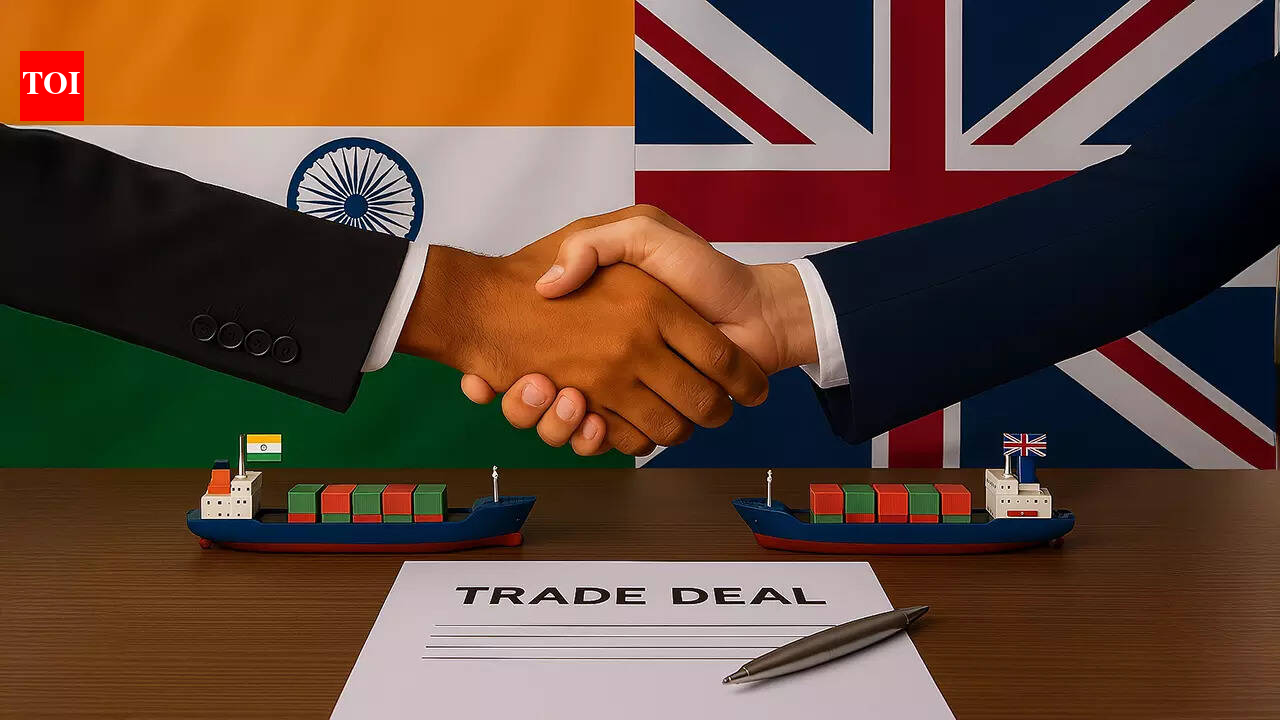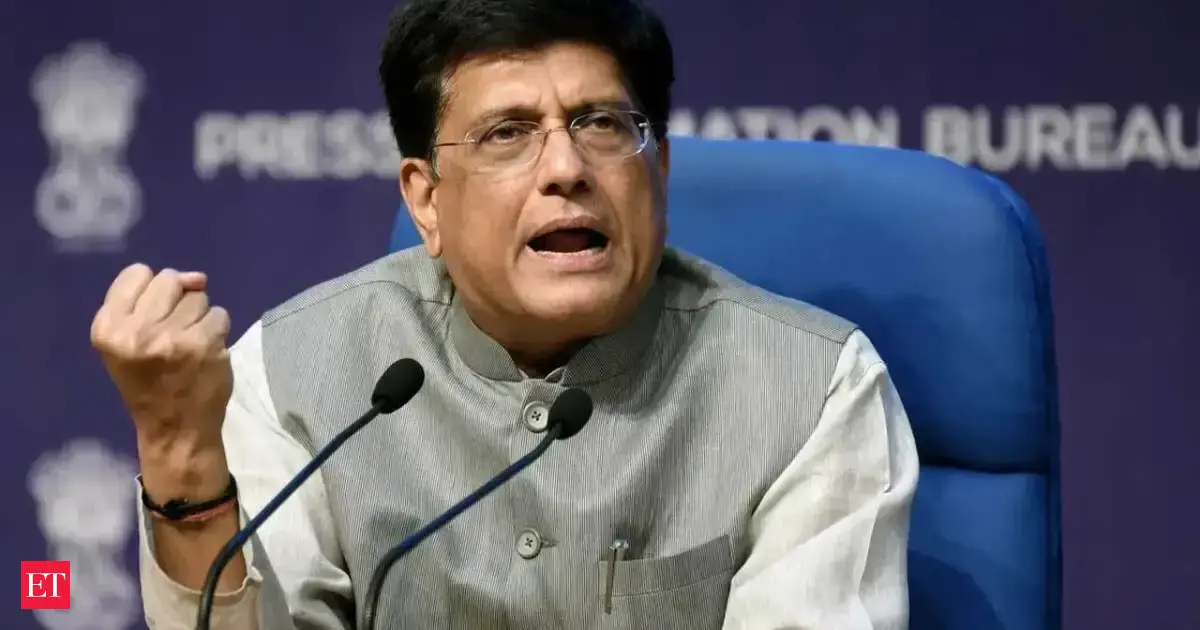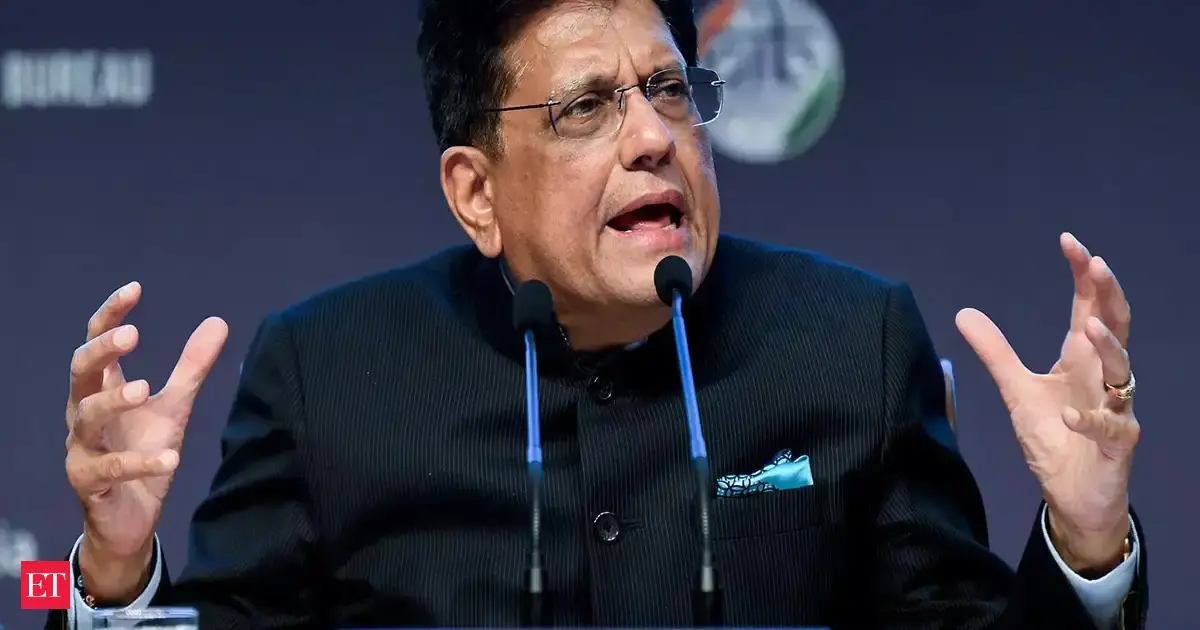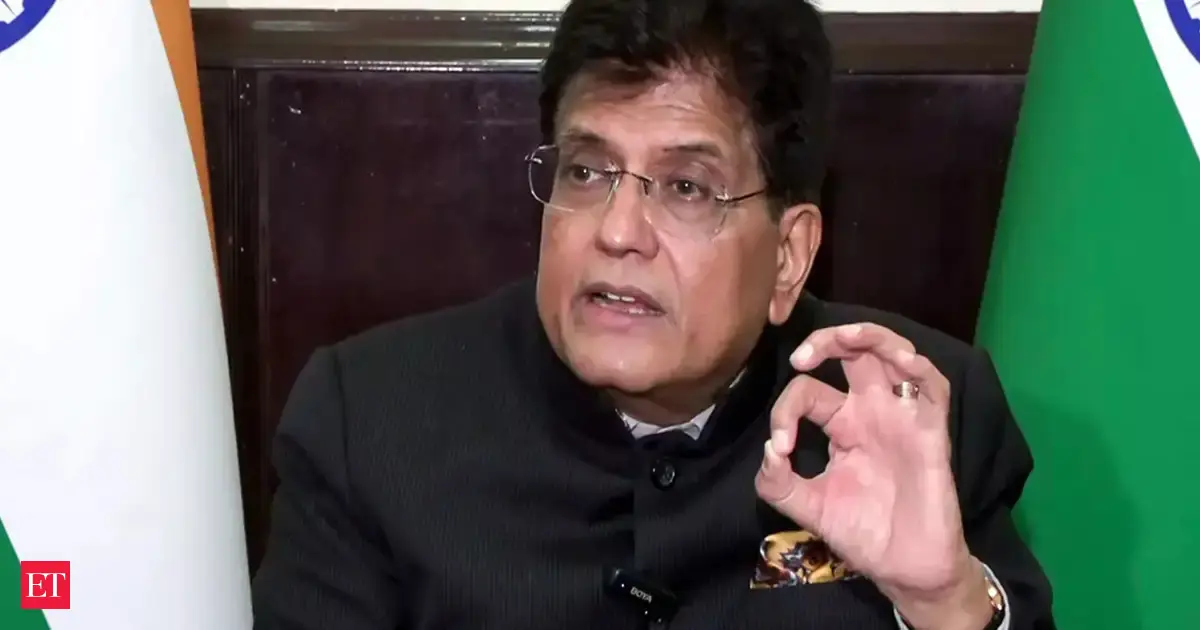
Commerce and Industry Minister Piyush Goyal will travel to Berne, Switzerland on June 12 for discussions with senior Swiss government representatives and pharmaceutical industry leaders, with implementation of the India-EFTA Trade and Economic Partnership Agreement (TEPA) expected to feature prominently, according to the Economic Times.
TEPA Implementation and Investment Commitments
The TEPA, which entered into force in October 2025, binds India and the four-member European Free Trade Association (EFTA) — Iceland, Liechtenstein, Norway, and Switzerland. According to the Akashvani report, Minister Goyal stated that the EFTA countries "have committed to bring 100 billion dollars of investment into India over a period of 15 years and support the creation of one million direct jobs." He described the agreement as having "created a strong framework for trade, investment and innovation-led partnerships."
During his visit, Goyal is scheduled to meet Helene Budliger Artieda, State Secretary for Economic Affairs, and Guy Parmelin, Federal President of Switzerland. He will be accompanied by senior officials from the Department for Promotion of Industry and Internal Trade (DPIIT) and the Ministry of Health and Family Welfare, according to the Economic Times. The visit comes as both sides seek to address issues related to the pact's implementation.
India's Broader FTA Strategy with Developed Economies
The TEPA is one of nine free trade agreements India has signed in the last three to three-and-a-half years, covering 38 countries, Goyal noted at the 5th Annual Meeting of the India Global Innovation Connect in New Delhi, as reported by Akashvani. He said these FTAs "are aimed at supporting growth, attracting investments, promoting innovation, creating jobs and increasing the country's participation in international trade." The agreements provide India access to new markets, facilitate collaboration in emerging technologies, and enable greater integration into global value chains, the minister added.

According to the Economic Times, Goyal emphasised that India's Free Trade Agreements with developed economies complement rather than compete with Indian industry. He highlighted that "the high costs of research, development, and production in these advanced nations make a collaborative model essential," stating that "a partnership between India and such developed countries complements each other rather than competes with them."
Economic Vision and Demographic Synergy
Speaking about India's long-term goals, Goyal said, "We have a very clear roadmap and a stated goal to make India a developed country by 2047... At that point in time, I would think the Indian economy should be anywhere in the ballpark of about USD 30 trillion... This will not be possible unless we expand our international engagement." He argued that developed economies face demographic challenges: "They have ageing populations and therefore need young talent and skill, which India has in abundance."
Goyal also noted that these pacts provide developed nations access to India's market of 1.4 billion aspirational consumers while channelling capital into the Indian ecosystem. "They also have significant capital, pools of capital, which they want to deploy. And India is a perfect opportunity," he said, as quoted by the Economic Times.
| Key TEPA Commitments | Details |
|---|---|
| Investment target | $100 billion over 15 years |
| Job creation | 1 million direct jobs |
| Effective date | October 2025 |
| EFTA members | Iceland, Liechtenstein, Norway, Switzerland |
| India's FTA Scorecard (Last 3–3.5 years) | Count |
|---|---|
| Total FTAs signed | 9 |
| Countries covered | 38 |
Power Sector and Climate Achievements
In the same speech, Goyal highlighted India's progress in the power sector. According to the Akashvani report, he stated that India now has a unified national grid of over 500 gigawatts, which has improved stability, facilitated greater efficiency, and enabled the integration of substantial renewable energy capacity. He noted that more than 50 per cent of India's installed electricity capacity comes from renewable energy sources, and that India achieved its Intended Nationally Determined Contributions under the Paris Agreement ahead of schedule, ranking among the leading G20 performers on climate commitments.
The visit to Berne underscores the importance both sides place on translating the TEPA's commitments into tangible economic outcomes. With the agreement still in its early implementation phase, the discussions between Goyal and Swiss leaders are expected to address operational challenges and reinforce the partnership's strategic goals.