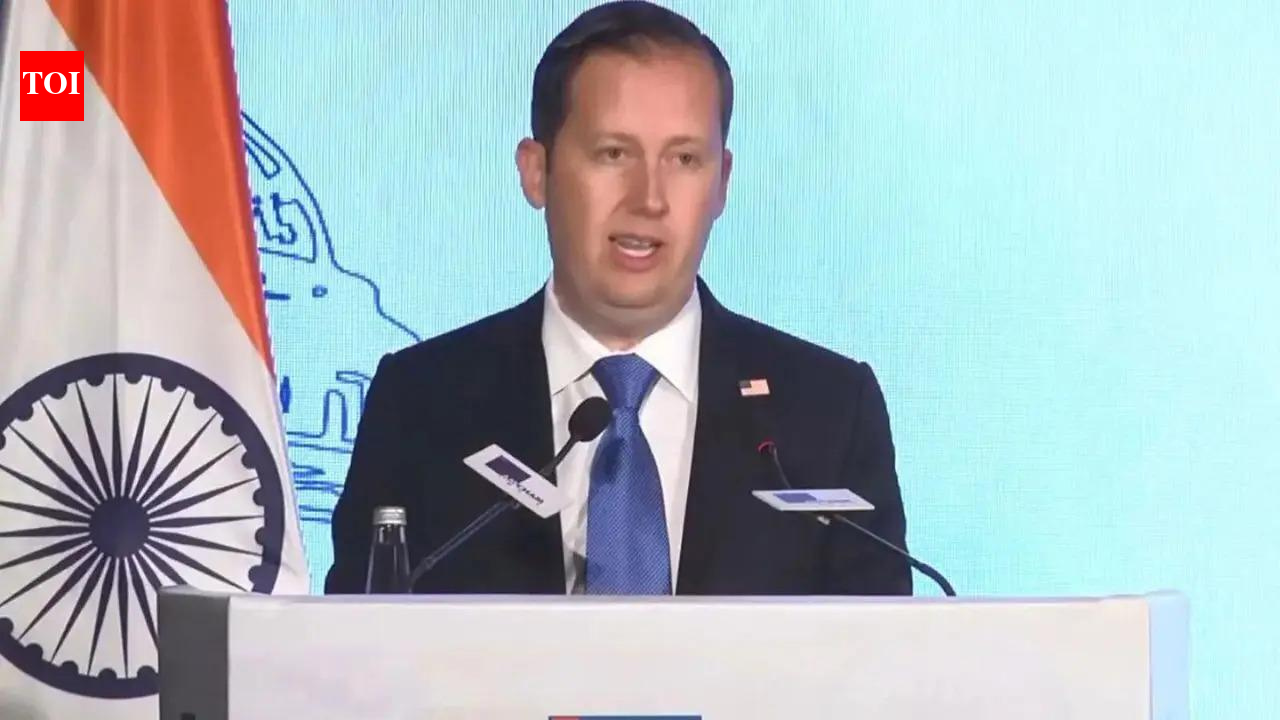
India and the United States are nearing the completion of a significant trade agreement, with only 1% of the terms remaining under discussion. Sergio Gor, the US envoy to India, announced at Citi's 2026 India Conference that the negotiations are progressing well, with hopes of finalizing the deal within the next few weeks.
Current Status of Negotiations
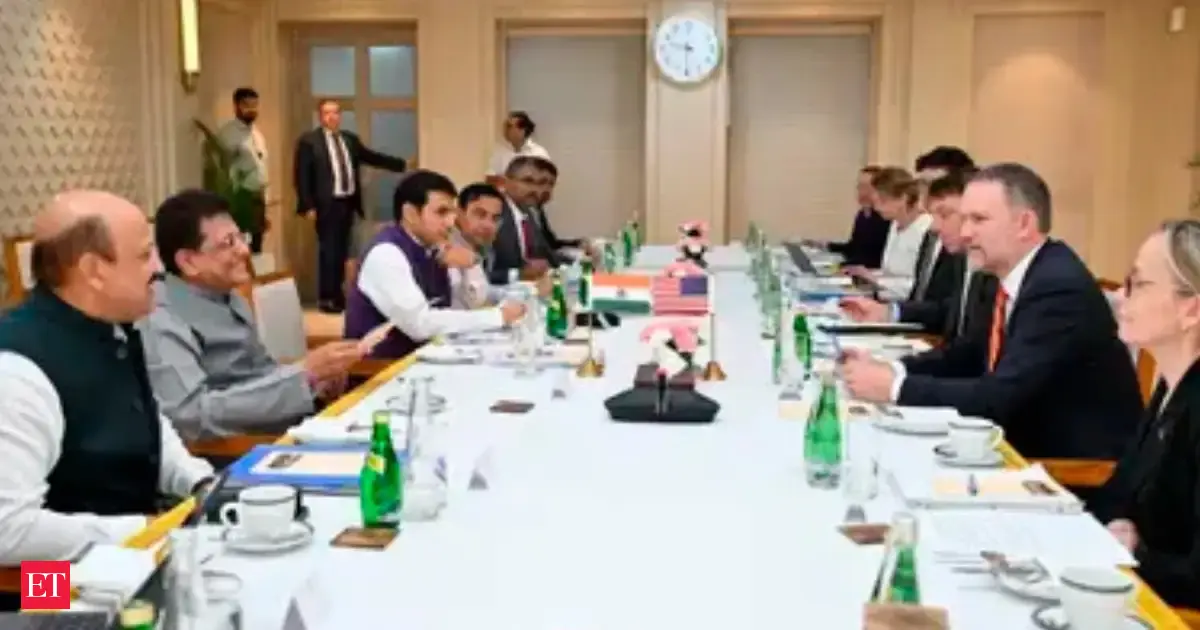
The trade talks, which began with a framework agreement in February, have seen significant progress. Brendan Lynch, the chief negotiator for the US, and Darpan Jain, India's chief negotiator, are leading the discussions in New Delhi. The focus is on resolving the final sticking points to pave the way for a formal signing.
"Once that trade deal is finalized...the interim trade deal was there in place. It is that one percent that we are trying to get across the finish line," said Gor.
Broader Trade Context
The negotiations are part of a broader effort to enhance bilateral trade relations between the two countries. The interim agreement aims to address immediate trade barriers while setting the stage for a more comprehensive trade pact.
Section 301 Investigations
In parallel, the Office of the United States Trade Representative (USTR) has been conducting Section 301 investigations into forced labor practices across 60 economies. On June 2, the USTR proposed additional tariffs, affecting imports from various regions, including the European Union, Canada, Mexico, and several Asian countries.
| Country/Region | Tariff Impact |
|---|---|
| European Union | Affected |
| Canada | Affected |
| Mexico | Affected |
| Japan | Affected |
| South Korea | Affected |
Implications for Trade Policy
The completion of the India-US trade deal is expected to have significant implications for trade policy and economic relations between the two nations. The agreement will likely address key issues such as tariffs, market access, and regulatory standards, providing a framework for future economic cooperation.