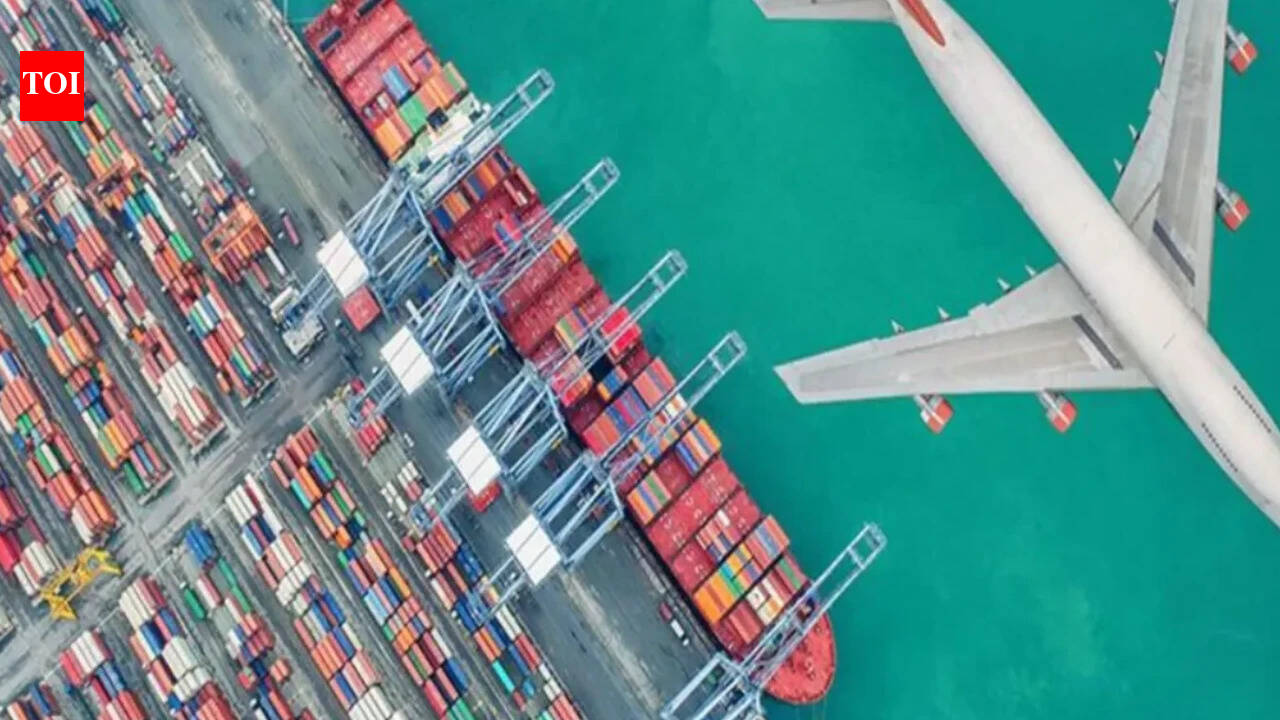
Global trade in 2023 is witnessing pivotal changes as countries adjust their import/export policies to align with evolving economic and geopolitical landscapes. These shifts are crucial for import/export professionals and trade policy analysts to understand.
Tariff Adjustments
Several countries have announced tariff changes effective from January 2023. These adjustments aim to balance trade deficits and protect domestic industries.
- United States: Increased tariffs on steel imports from China.
- European Union: Reduced tariffs on agricultural products from Africa.
| Country | Product Category | Tariff Change |
|---|---|---|
| United States | Steel | Increased |
| European Union | Agriculture | Reduced |
Bilateral Trade Agreements
New bilateral agreements are being forged to enhance trade relations and economic cooperation.
- China and Brazil: A new agreement to boost agricultural exports from Brazil to China.
- India and Japan: Strengthened ties in the technology sector, focusing on AI and robotics.
Compliance and Enforcement
Trade compliance is becoming more stringent, with enforcement bodies emphasizing adherence to new regulations.
"Compliance with international trade laws is not just a legal obligation but a strategic advantage," says WTO Director-General.
Impact on Trade Volumes
These policy changes are expected to influence trade volumes significantly. Importers and exporters must adapt to these new realities to maintain competitiveness.
- Increased compliance costs: Due to stricter regulations.
- Opportunities for growth: In sectors benefiting from reduced tariffs.
Future Outlook
As these policies take effect, the global trade landscape will continue to evolve. Stakeholders must stay informed and agile to navigate these changes effectively.