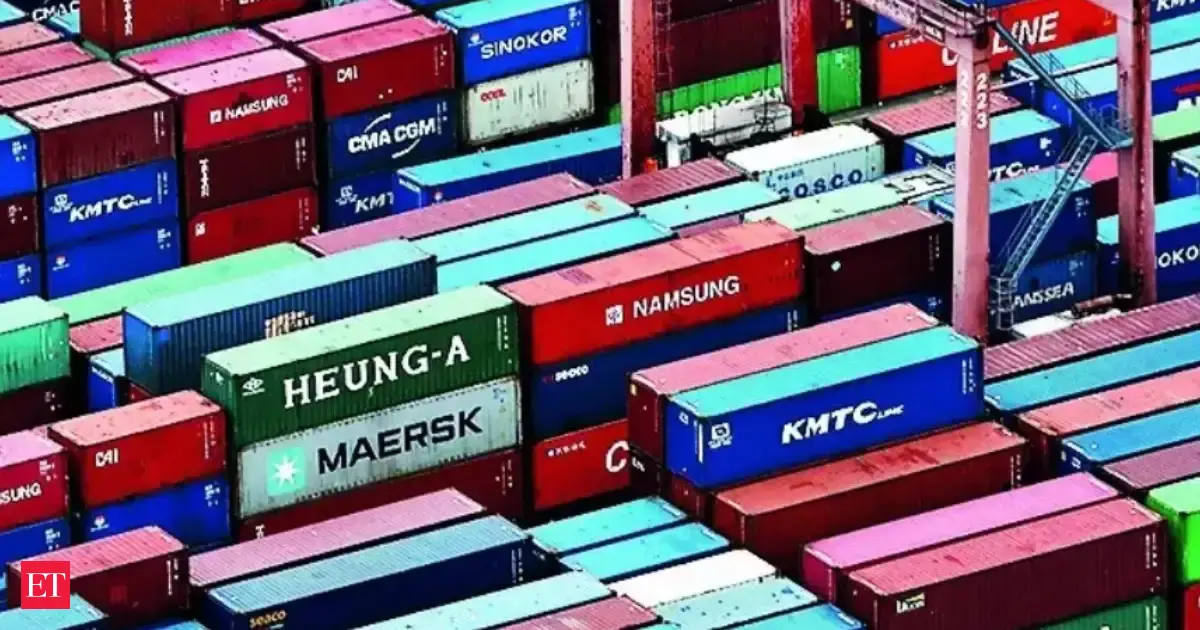
India's rice exports have experienced a decline in the first four months of 2026, attributed to the ongoing conflict involving Iran, which has disrupted shipments of the premium basmati variety to Gulf markets. India, a major player in the global rice market, saw its exports fall by 1.3% compared to the previous year, totaling 8.39 million metric tons.
Impact on Basmati Rice Shipments
Exports of basmati rice specifically fell by 7% to 2.3 million metric tons. The conflict has particularly affected shipments to key markets such as Iran, Iraq, Qatar, and Saudi Arabia. An exporter based in New Delhi noted that shipments are expected to remain below typical levels until the conflict resolves.
Non-Basmati Rice Trends
While basmati exports declined, non-basmati rice exports saw a slight increase to 6.09 million tons from 6.03 million tons a year earlier. India continues to ship non-basmati rice to markets including Bangladesh, Benin, Ivory Coast, Guinea, and Cameroon.
Rising Costs and Delays
Shipping insurance and freight costs have surged since the conflict began, disrupting maritime traffic through the Strait of Hormuz. This has led to a decrease in demand from African buyers. An exporter from Kakinada highlighted that these factors have weighed heavily on the market.
"The ongoing conflict has led to significant delays and increased costs, impacting our ability to fulfill orders," said an unnamed exporter.
Comparative Data
| Product Type | 2025 Exports (million tons) | 2026 Exports (million tons) |
|---|---|---|
| Basmati Rice | 2.47 | 2.3 |
| Non-Basmati Rice | 6.03 | 6.09 |
Future Outlook
The current geopolitical tensions have stalled new deals, with buyers and exporters hesitant to commit until stability returns. Saudi Arabia has now surpassed Iran as India's largest market for basmati rice, according to government figures.
India competes with Thailand, Vietnam, Myanmar, and Pakistan in the global rice market, and the ongoing situation could alter competitive dynamics.