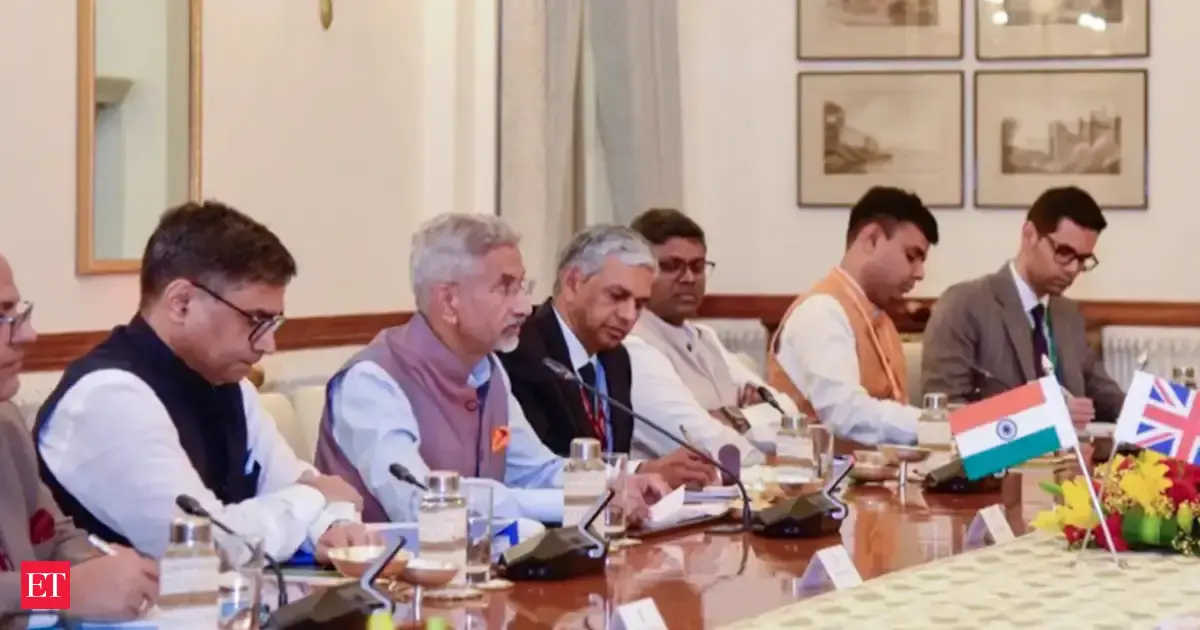
India and the UK have unveiled significant initiatives aimed at bolstering their bilateral trade relationship, focusing on critical minerals and maritime security. This development follows the finalization of the India-UK Comprehensive Economic and Trade Agreement (CETA), which addresses key concerns in trade and economic security.
Critical Minerals Cooperation
The launch of the Critical Minerals Global Supply Chain Observatory (GSCO) marks a pivotal step in ensuring secure and resilient global supply chains. This initiative, formally launched by India's Minister of Coal and Mines, G Kishan Reddy, aims to enhance cooperation between the two nations in the critical minerals sector.
Maritime Security Enhancements
A memorandum of understanding (MoU) has been signed to establish the Regional Maritime Security Centre of Excellence. This center, a collaboration between King's College London and the National Maritime Foundation, will focus on building capacity to address non-traditional maritime security threats in the Indian Ocean region.
Strengthening Bilateral Ties
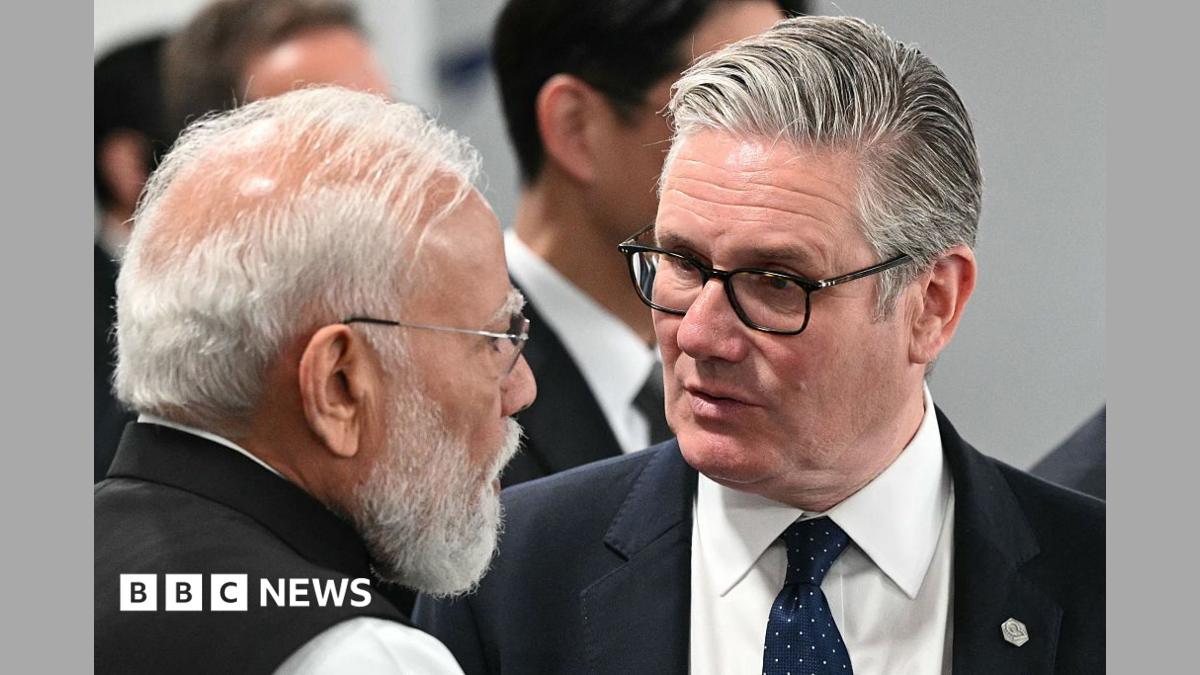
External Affairs Minister S Jaishankar emphasized the "remarkable developments" in India-UK relations, citing the recent visits of Prime Minister Narendra Modi to the UK and UK Prime Minister Keir Starmer to India. These visits have paved the way for a forward-looking partnership.
"Our relationship has moved from being a historical and perhaps cultural connection to being a forward-looking highway of shared economic ambitions and high technology," said Jaishankar.
Future Prospects
The India-UK Vision 2035 outlines five pillars: growth, technology and innovation, defense and security, climate and clean energy, and education. The opening of a University of Liverpool campus in India exemplifies the educational collaboration between the two countries.
| Initiative | Description |
|---|---|
| Critical Minerals GSCO | Enhances cooperation in critical minerals |
| Maritime Security Centre | Builds capacity for maritime security |
These initiatives reflect a commitment to economic security and are expected to drive future growth in bilateral trade.