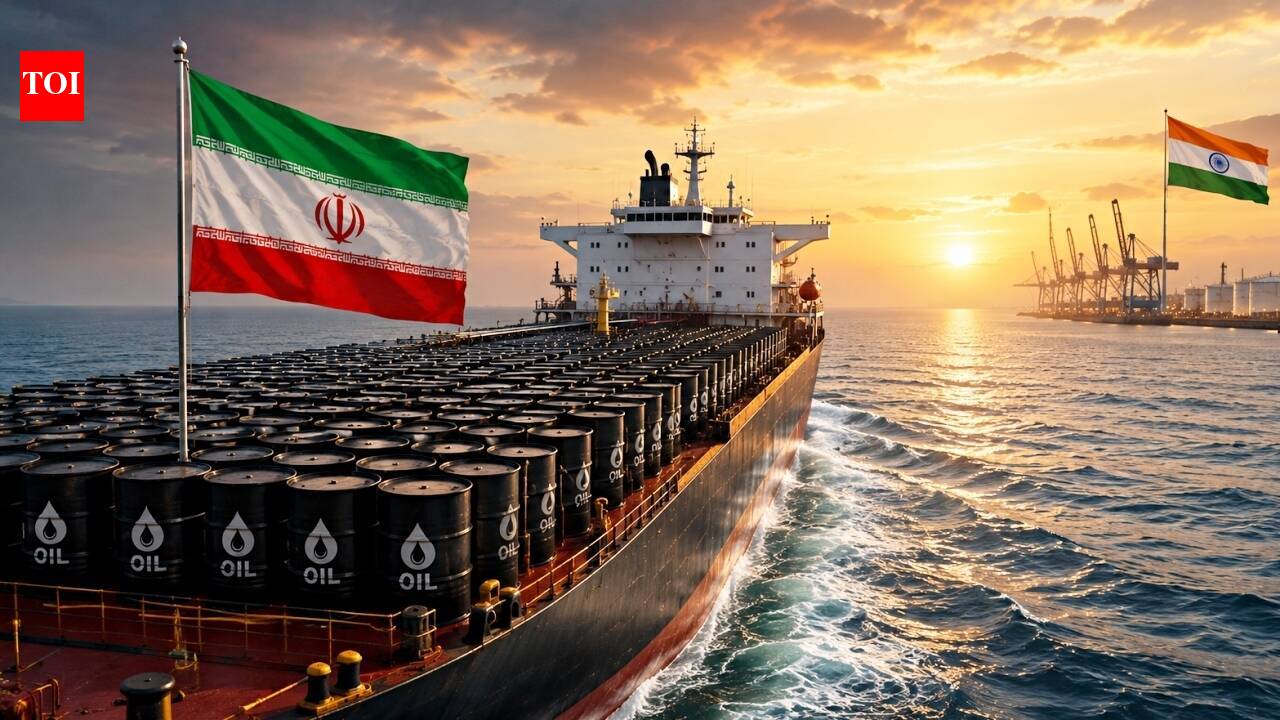
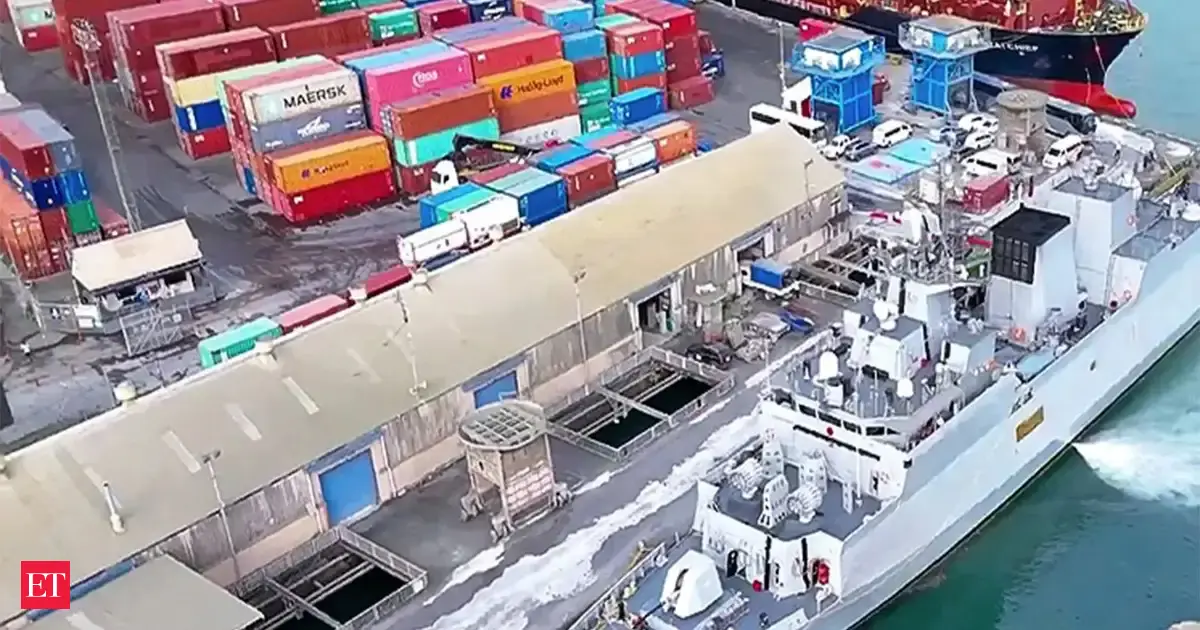
The ongoing conflict in Iran is driving a fundamental shift in how food systems are perceived and managed in the Persian Gulf. This geopolitical crisis has highlighted the vulnerabilities of long international supply chains, particularly for countries like the United Arab Emirates (UAE), which imports 85-90% of its food.
Supply Chain Resilience
Sky Kurtz, Founder and CEO of Pure Harvest, emphasized the importance of domestic and "friend-shored controlled-environment" agriculture to mitigate risks. "We remain both ahead of the year-to-date plan and profitable, but with some margin compression and increased working capital demands," he stated.
Praveen Rai, CEO of QuicKart, noted that while their business faced disruptions in sourcing consistency and price volatility, their model's reliance on local suppliers helped offset risks. "Shorter, more diversified supply chains are not just efficient—they’re resilient," he added.
Market Dynamics
The conflict has led to "war-flation" in fertilizers, transportation, and packaging, with significant price spikes. The UAE government has regulated retail prices, leaving producers unable to fully pass on cost increases.
"The current situation is still dynamic," said Rai, highlighting ongoing fluctuations in freight costs and supplier reliability.
Technological Adaptation
Food companies in Dubai have turned to technology to navigate the crisis. The shift from hotel and restaurant demand to "food at home" has increased online trade channels.
| Factor | Impact |
|---|---|
| Import Dependency | 85-90% |
| Price Volatility | High |
| Supply Chain | Shorter, diversified |
Future Outlook
The Persian Gulf's food systems are likely to continue evolving towards more resilient structures. The emphasis on local production and technological integration is expected to persist as key strategies.
The Iran conflict serves as a stark reminder of the critical importance of adaptable and resilient food systems in the face of geopolitical uncertainties.