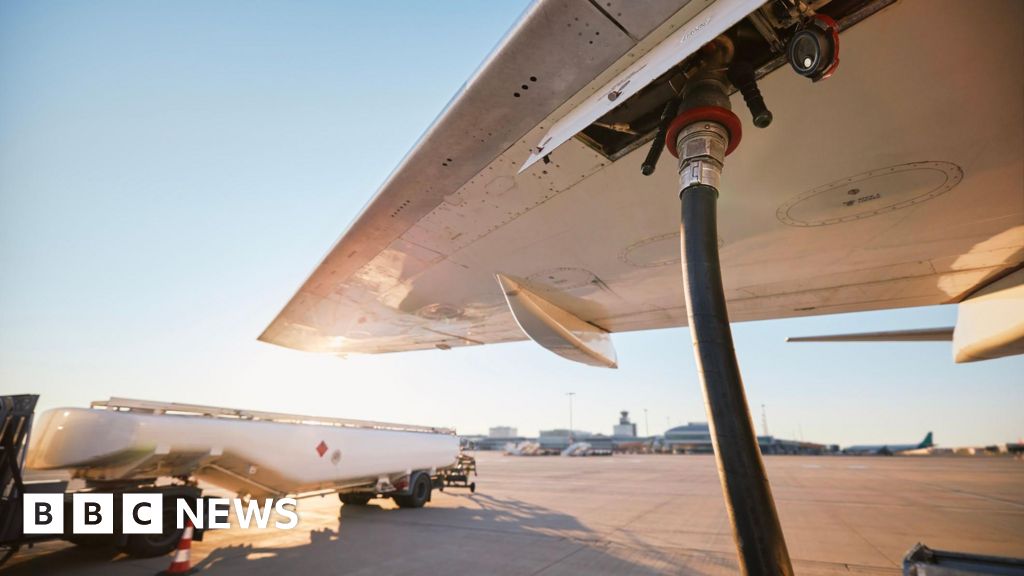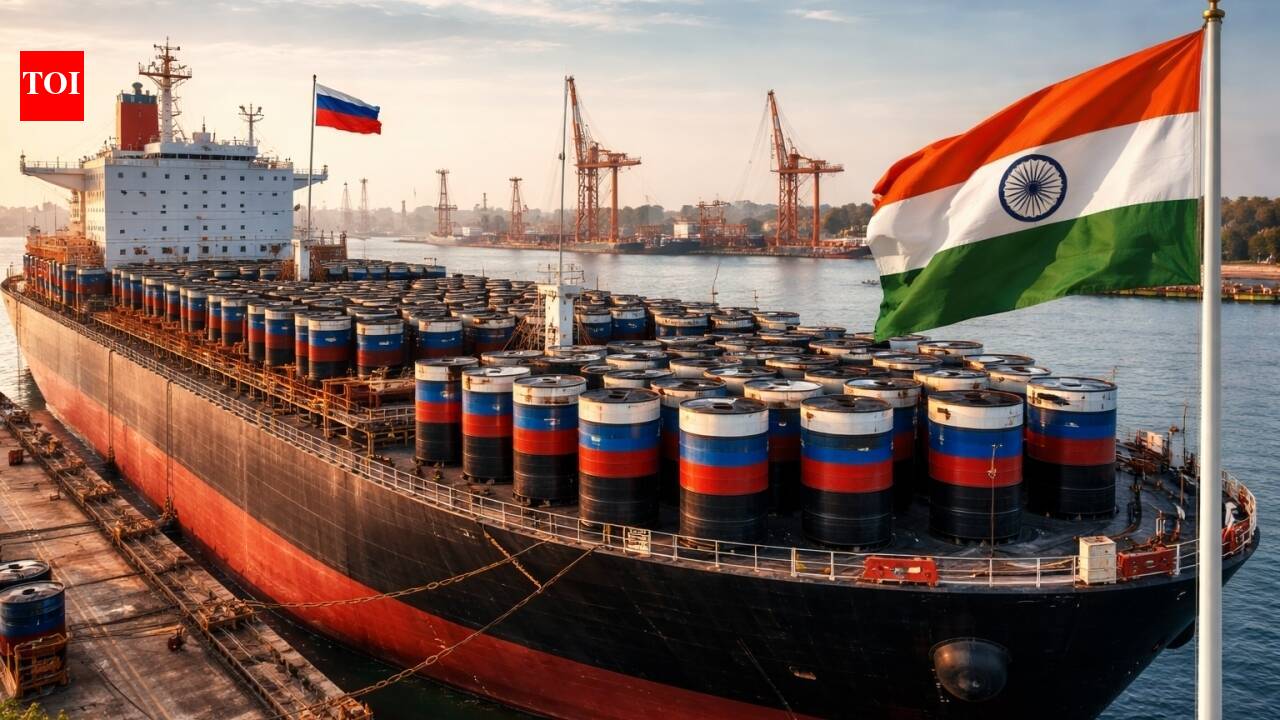
Russia has announced a temporary ban on aviation fuel exports, effective until November 30, 2026. This decision aims to stabilize the domestic fuel market as the country faces reduced refinery outputs due to recent geopolitical tensions.
Impact on Domestic and Global Markets
Russia, a major player in the global energy sector, has taken this step to ensure adequate domestic fuel supplies. Deputy Prime Minister Alexander Novak emphasized the importance of monitoring the domestic fuel market closely.
- Russia's average refinery runs dropped to 4.69 million barrels per day in April 2026, the lowest in over 16 years.
- The decision follows increased attacks on Russian energy infrastructure, affecting refinery operations.
"The aim of this decision is to ensure stability in the domestic fuel market," the Russian government stated.
Global Implications
The ban could tighten global fuel supplies, potentially increasing international prices. Analysts warn that this restriction may have significant repercussions for countries reliant on Russian fuel exports.
| Aspect | Before Ban | After Ban |
|---|---|---|
| Average Refinery Runs | 5.5 million bpd | 4.69 million bpd |
| Export Volume | High | Restricted |
Government and Industry Response
The Russian government, alongside energy companies, is prioritizing domestic needs over exports. Alexander Novak highlighted the need for continuous coordination between federal agencies and energy firms to address the situation effectively.
Future Outlook
As the ban remains in effect until the end of November, stakeholders in the global energy market are advised to monitor developments closely. The situation underscores the importance of geopolitical stability in maintaining global energy supply chains.