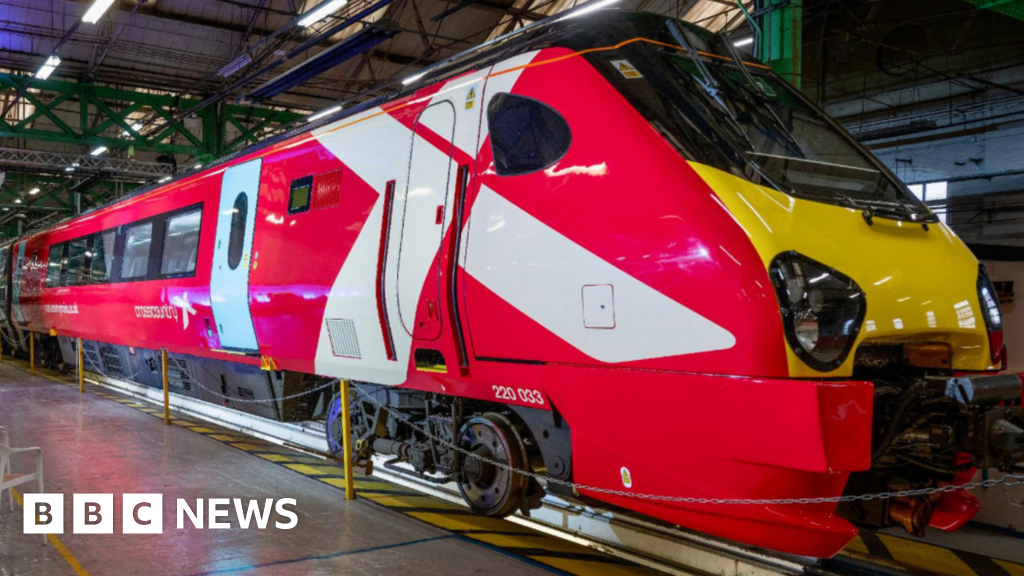
Birmingham-based train operator CrossCountry has been ranked the worst in Britain by passenger watchdog Transport Focus, with only 72% of stops arriving within three minutes of schedule and 7% of services cancelled in the three months to the end of March 2026, according to a new survey.
The survey, which questioned more than 100,000 passengers over the six months to March, found that 79% of CrossCountry passengers were satisfied with the overall journey, compared to a national average of 87% for all train operators. Disabled passengers reported lower satisfaction at 85% nationally. Transport Focus chief executive Alex Robertson said: "This is the first report of its kind. I'm optimistic the railway understands the importance of using it to create a more customer focused culture and we'll be holding them to account to make sure they do." He added that more than nine in 10 people would report a positive experience if a delay was "handled well – a remarkably high figure given their train is late – but this falls to one in four when it isn't."
The watchdog specifically asked CrossCountry to improve the passenger experience, reduce delays, provide better information during disruption, and cut overcrowding on services. The operator, owned by the Arriva Group, runs long-distance trains serving cities such as Cambridge, Cardiff, and Manchester.
| Operator | On-Time Performance (within 3 min) | Cancellations | Overall Satisfaction |
|---|---|---|---|
| CrossCountry | 72% | 7% | 79% |
| Hull Trains | – | – | 94% |
| LNER | – | – | 93% |
| National Average | – | – | 87% |
CrossCountry's customer and commercial director Mark Anderson acknowledged the challenges: "We know we must do more to deliver the service our customers rightly deserve." He noted that refurbished trains were transforming journeys and a new timetable was delivering better regional connectivity. "In particular, we know that crowding is a challenge and we're working with industry partners to explore all possible options to ease this."
For logistics professionals, CrossCountry's poor performance highlights the broader state of UK rail infrastructure, which is also relied upon for intermodal freight. While CrossCountry does not carry cargo, its long-distance passenger routes affect business travel and employee commuting for supply chain and freight forwarding organisations based in Birmingham and along its network. Delays and cancellations on these routes can disrupt workforce scheduling and client meetings, particularly for firms operating in cities like Cambridge, Cardiff, and Manchester. Transport Focus's demand for better information during disruption is directly relevant to logistics staff who need reliable travel data to plan operations.
The survey results underscore the importance of accountability in the rail sector, as the watchdog signals it will hold operators to account. For logistics companies that use passenger rail for commutes or rely on the same network for freight movements (via rail operators like Freightliner or DB Cargo), the systemic issues flagged at CrossCountry may foreshadow wider service challenges across the UK rail system. Transport Focus will publish further reports expecting improvements.
Sources: