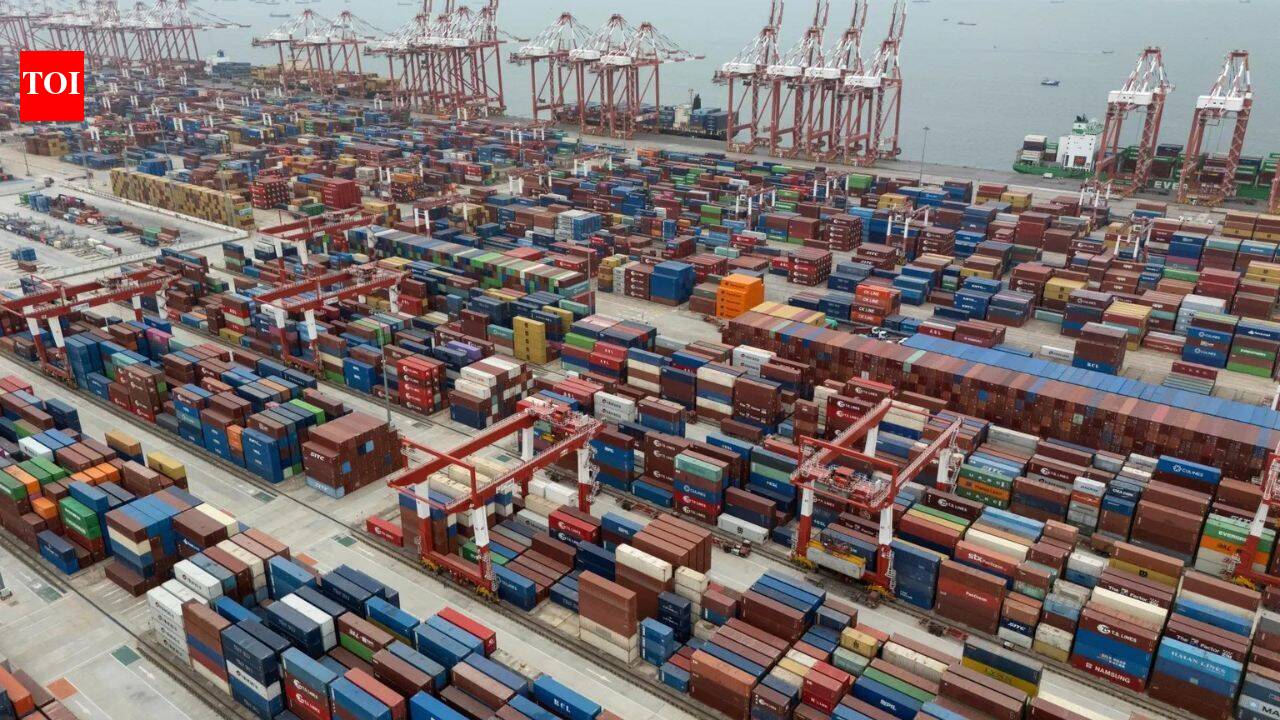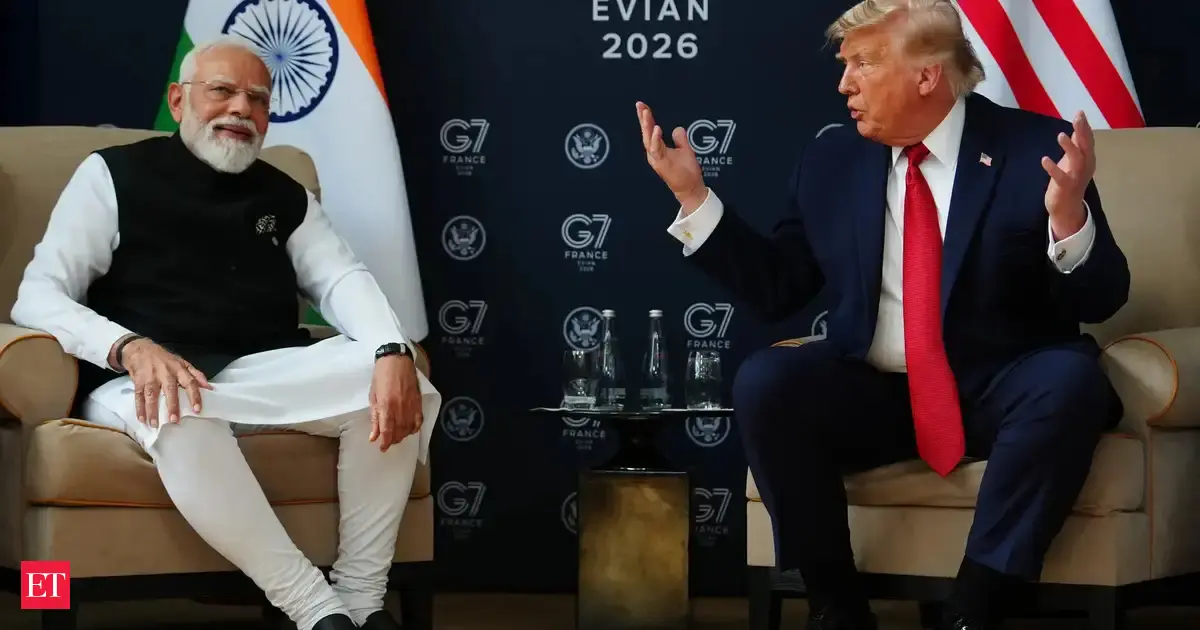
The Office of the United States Trade Representative (USTR) has proposed imposing additional tariffs on imports from India, citing unfair trade practices. This development arises amid ongoing trade negotiations between the US and India, aimed at advancing a bilateral trade agreement.
Section 301 Findings
The USTR's proposal follows findings from 60 investigations conducted under Section 301 of the US Trade Act of 1974. India is among 54 economies identified as failing to adequately prevent the import of goods produced using forced labor. The proposed tariffs range from 10% to 12.5%, depending on the enforcement measures of the affected countries.
- 10% Tariff: For countries with partial frameworks or commitments to ban forced labor imports.
- 12.5% Tariff: For countries without such measures.
Impact on Bilateral Trade
The proposed tariffs could significantly impact the trade relationship between the US and India. In 2025, the bilateral trade volume between the two nations was valued at approximately $146 billion, according to the World Bank.
"The failure of our most important trading partners to address the importation of goods made with forced labor is unacceptable," stated Ambassador Jamieson Greer.
Textiles and Apparel Exception
The USTR has suggested a separate mechanism for textiles and apparel, allowing a specified volume of imports from selected economies to enter the US market at a lower Section 301 tariff rate. This exception aims to mitigate the impact on the textile industry, which is a significant component of India's exports to the US.
Comparative Tariff Rates
| Country Group | Proposed Tariff Rate |
|---|---|
| Partial Framework | 10% |
| No Framework | 12.5% |
Next Steps
The USTR intends to pursue responsive trade actions based on these findings. The ongoing discussions in New Delhi are crucial for determining the future of US-India trade relations.
The proposed tariffs underscore the US's commitment to addressing forced labor issues in global trade, potentially reshaping its economic engagements with multiple countries.