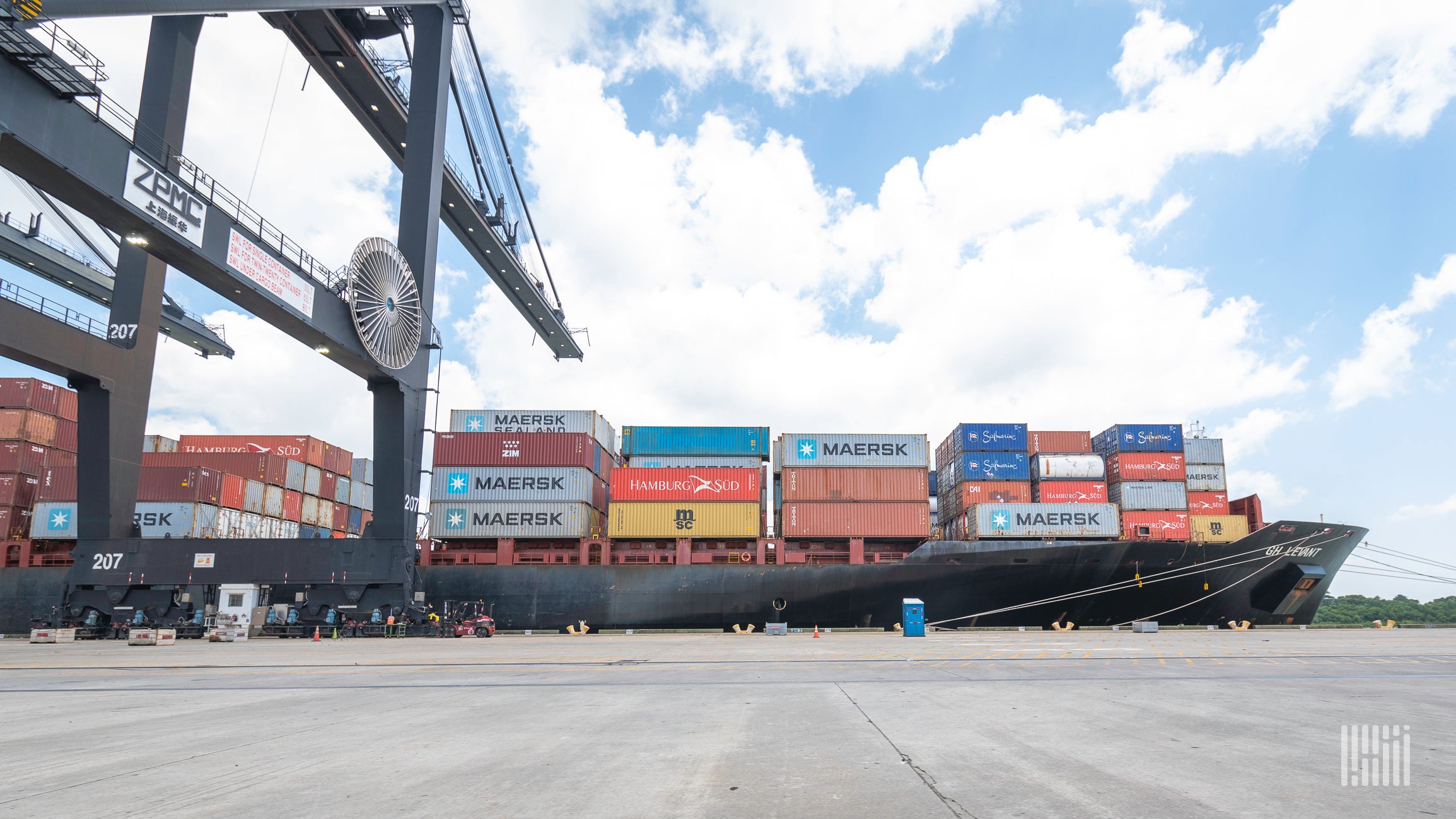
China's coal-fired power buildout is providing fresh ballast for dry bulk shipping, with thermal coal burn at the country's six major power plants hitting another 2026 high this month and remaining well above last year's levels, according to Commodore Research. The buildout follows the US-Iran war, which pushed energy security back to the top of Beijing's agenda and made coal one of China's most important energy buffers, according to Splash247.
More than 50 large coal-fired plants were commissioned in the previous year, providing spare generating capacity that could be ramped up when disruption around the Strait of Hormuz squeezed oil availability, the article reported. Coal has also become an alternative to petroleum outside electricity generation, notably through China's expanding coal-to-chemicals sector, where coal replaces oil and gas as a feedstock for plastics and fertilisers.
China's coal infrastructure at a glance
The scale of China's coal infrastructure remains extraordinary, with figures from Ursa Shipbrokers citing Global Energy Monitor data:
| Metric | Value | Share of global |
|---|---|---|
| Operating coal-fired generation capacity | 1,263.1 GW | 56.7% |
| Under construction | 204.2 GW | 78.4% |
| Prospective projects | 331.2 GW | ~two-thirds |
| China + India share of global coal construction | — | 94% |
China and India together now hold 94% of all coal capacity under construction worldwide, according to Ursa Shipbrokers.
Coal-to-gas and feedstock expansion
Rystad Energy has identified a similar expansion in China's coal-to-gas industry. Capacity is forecast to rise from 9.4bn cu m annually at the end of this year to 28bn cu m by 2030, with around 20bn cu m already under development. Xinjiang is emerging as the centre of that growth, helped by exceptionally cheap coal, with existing plants operating above 90% utilisation.
Rystad sees coal-to-gas increasingly as a strategic hedge against geopolitical supply risk, although much of this demand will be supplied domestically and its more direct impact could be to dampen China's future LNG import requirements, the research firm said.
Counterpoint: record new builds, falling coal supply
There is an important counterpoint. Research from the Centre for Research on Energy and Clean Air (CREA) and Global Energy Monitor showed China commissioned 30 GW of new coal power in the first half, 43% more than a year earlier, while retiring just 2.7 GW. Yet combined domestic coal production and imports actually fell 1.4% year-on-year during the period.
CREA argued that the rebound in coal generation was not simply a consequence of Hormuz-related LNG disruption and highlighted growing overcapacity, falling utilisation, and rising wind and solar curtailment.
Commodore Research said government-mandated pressure on Chinese coal production following a fatal mining accident in May that killed 82 workers had been "incredibly helpful" for dry bulk, just as electricity demand strengthened into summer.
Commodore remains "very bullish" on China's near-term coal import prospects.
Implications for dry bulk operators and shippers
Coal is increasingly being treated as a national security asset rather than simply an emissions problem, a theme that featured prominently at this year's Geneva Dry, the world's premier commodities shipping conference. The Hormuz crisis has sharpened concerns over energy resilience, prompting governments to reassess the value of dispatchable coal-fired generation when gas supplies are disrupted or renewables fall short.
China was repeatedly cited as the country best prepared. Wah Kwong managing director William Fairclough said Beijing learned from its own 2021 energy crunch, when "energy security became the most important thing". Despite its huge renewables build-out, coal remains the backbone and emergency buffer of the Chinese power system, he said.
For dry bulk forwarders and operators, the immediate takeaway is that Chinese coal import demand has a supportive floor while energy security remains a policy priority. However, the CREA counterpoint suggests that overcapacity and falling utilisation could eventually temper new plant additions, so monitoring both production policy and power-sector utilisation will be critical.
Watch list
- Mining safety policy: Government pressure on coal production following the May accident could continue to tighten domestic supply and support seaborne imports.
- Overcapacity and curtailment: CREA's warnings about growing coal overcapacity, falling utilisation, and rising wind/solar curtailment could shift the demand outlook.
- Coal-to-gas buildout: Rystad's forecast of capacity rising to 28bn cu m by 2030 could dampen China's future LNG imports, altering energy trade flows.
- Geopolitical risk: The US-Iran conflict and Strait of Hormuz dynamics remain a wildcard, as they were the trigger for China's renewed coal reliance.
Sources: