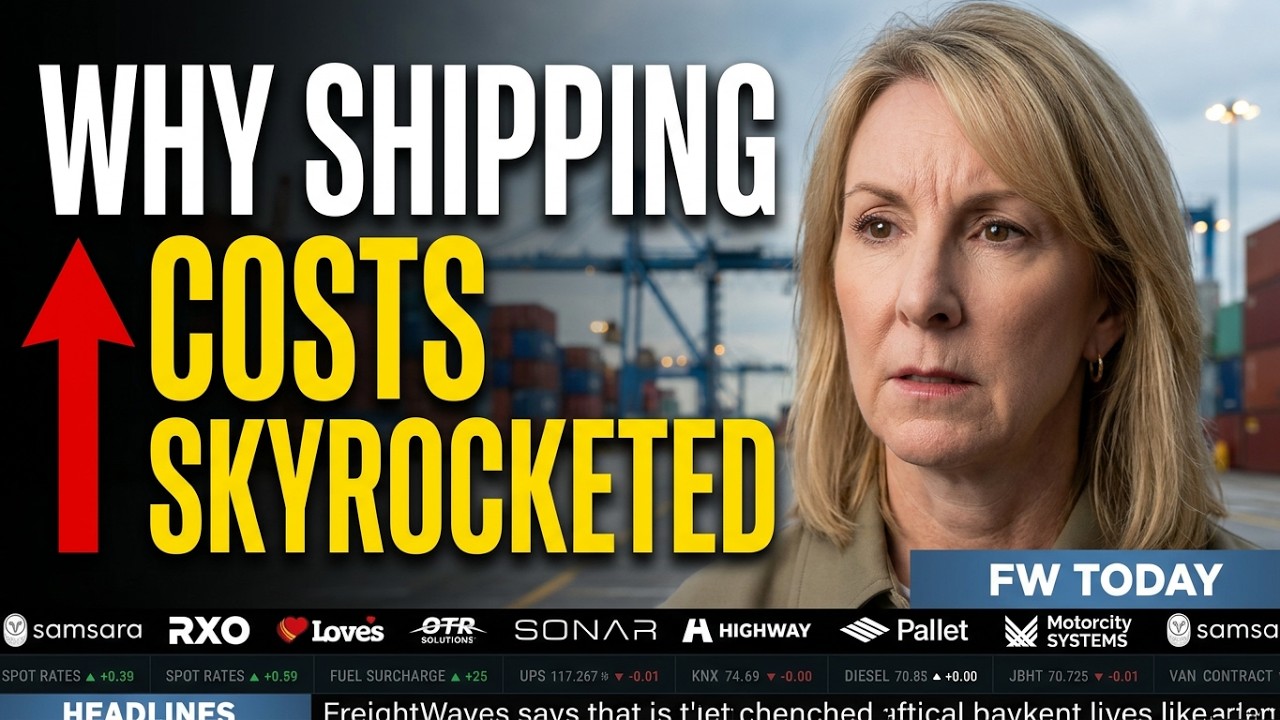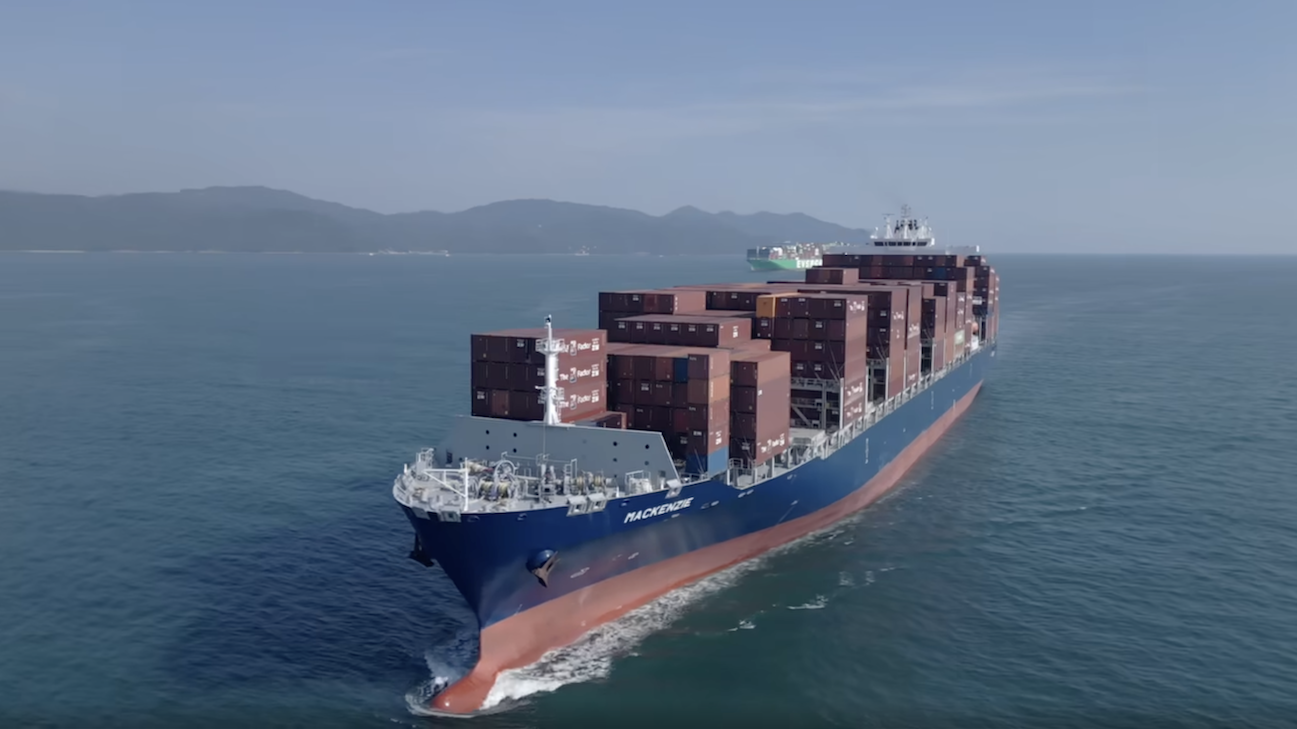
Spot container shipping rates from Asia to the US West Coast have skyrocketed 276% since late February, according to Xeneta, as the Iran conflict and Strait of Hormuz crisis continue to roil global supply chains. Although rates flattened in the latest week, analysts warn that the peak season and geopolitical tensions will keep the market challenging.
Rate Surge and Recent Moderation
According to FreightWaves, spot rates from the Far East to US West Coast ports stand at $7,069 per forty-foot equivalent unit (FEU) for the week ending July 10, essentially unchanged (down 0.1% week-over-week). Far East to US East Coast rates are $8,808 per FEU, up a narrow 0.3%. Despite the weekly flatness, the cumulative increase since the end of February remains extraordinary: 276% for Asia–US West Coast and 232% for Asia–US East Coast.
| Trade Lane | Spot Rate (week ending July 10) | Week-over-week change | Change since late February |
|---|---|---|---|
| Far East → US West Coast | $7,069/FEU | -0.1% | +276% |
| Far East → US East Coast | $8,808/FEU | +0.3% | +232% |
Xeneta Chief Analyst Peter Sand described the situation as "a very challenging market" but noted "a faint glimmer of light at the end of the tunnel" as spot rates remained flat and carriers added capacity. However, he cautioned, "This is by no means an end to the freight rate spike driven by the Strait of Hormuz crisis and further increases are expected mid-July, but these should be of a lower order of magnitude compared to the start of the month."
Capacity Injection Provides Some Relief
Sand highlighted a key shift on the supply side: carriers have continued to deploy more capacity into the market. Specifically, capacity on the Far East to US West Coast lane increased 5.5% week over week, to US East Coast by 6.2%, and to North Europe by 3.1%. "That sustained capacity injection appears to be having an effect, easing some of the pressure and helping shippers to move goods more reliably, even if it is not yet translating into lower rates," Sand said, according to FreightWaves.
Geopolitical Context and Peak Season
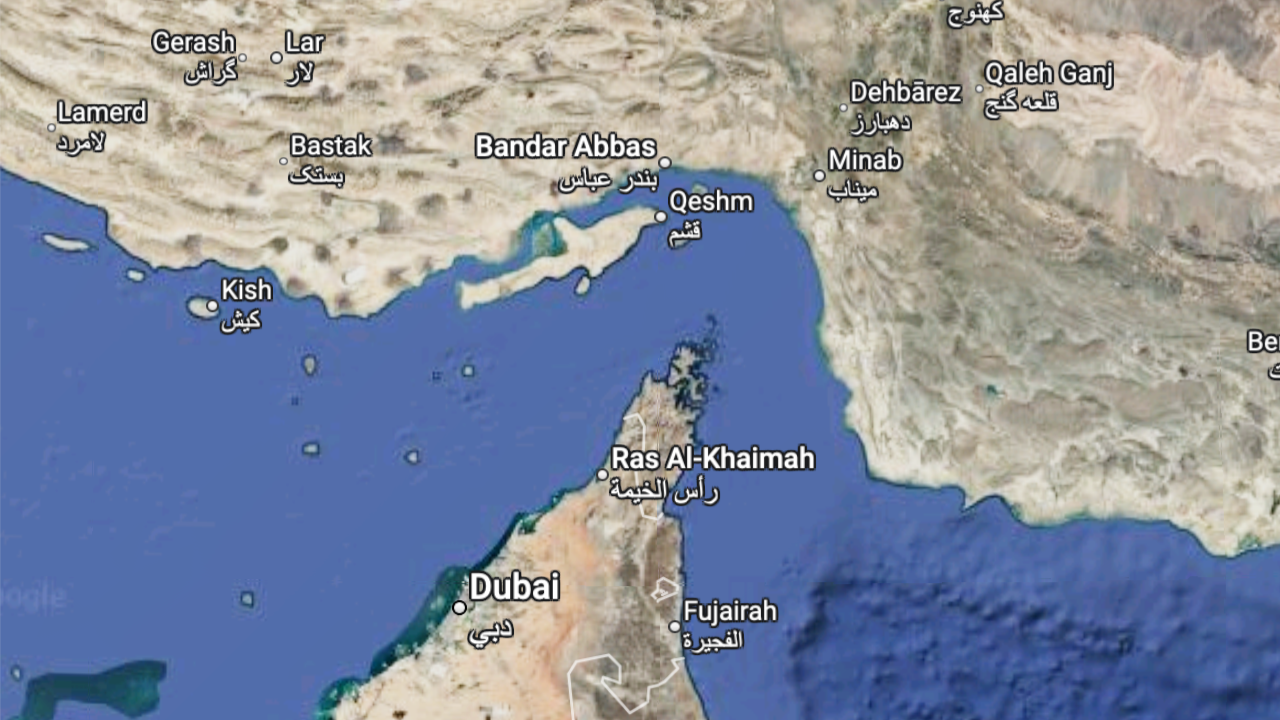
The conflict between Iran and the US has escalated, with Iran attacking a merchant container ship for the first time since May. The Strait of Hormuz, a critical chokepoint for oil and container shipping, remains "effectively closed to container shipping," Sand stated. The flaring war has pushed up oil prices, which are likely to pressure ocean rates further.
President Donald Trump said the US could seize control of the strait and charge a 20% toll on cargo for safe passage, though observers questioned the legal basis. The Trans-Pacific is entering the traditional peak shipping season, which normally adds demand pressure.
Implications for Shippers and Carriers
Shippers are still paying multiples of their budgeted rates, with spot rates quoted for services outside contract terms — often for rolled or delayed shipments. The sustained capacity increases offer some hope for more reliable service, but the freight rate spike driven by the Strait of Hormuz crisis is not over. Carriers are expected to announce further rate increases in mid-July, though of a lower magnitude than earlier this year.
"It is still a very challenging market, but there is a faint glimmer of light at the end of the tunnel for shippers." — Peter Sand, Xeneta
Watch List
- Strait of Hormuz: Continued military hostilities could further disrupt container shipping lanes.
- Oil prices: Rising bunker fuel costs may translate into higher ocean rates.
- Peak season demand: The traditional fall peak could exacerbate capacity constraints.
- Carrier capacity decisions: Further injections could stabilize rates, while any withdrawal would tighten supply.
Sources: