International container spot rates have surged 400%, according to FreightWaves CEO Craig Fuller, reporting live from the world's largest airshow. This dramatic increase in ocean freight costs is already sending ripples into domestic trucking markets as the retail peak season approaches. The domestic trucking market remains relatively quiet, but strong intermodal activity and an anticipated surge of long-haul volume from the West Coast indicate that capacity could tighten rapidly in the coming weeks.
The 400% Surge in Container Spot Rates
Fuller reported that international container spot rates have surged 400% year-over-year. This spike is a key driver behind the shifting dynamics in domestic freight, as higher ocean costs encourage shippers to front-load inventory and shift modal preferences. The FreightWaves analysis highlights that this rate surge is one of the most significant market signals ahead of peak season.
Domestic Trucking: Quiet but Poised for a Shift
Despite the container rate surge, the domestic trucking market remains quiet. Fuller noted that the trucking sector is currently in a "quiet period," but expectations are high for a wave of long-haul volume moving from West Coast ports to inland destinations. This anticipated volume surge is tied to the retail peak season, when consumer goods imports typically spike. The quiet trucking market may be the calm before a capacity crunch.
Intermodal Activity Picks Up
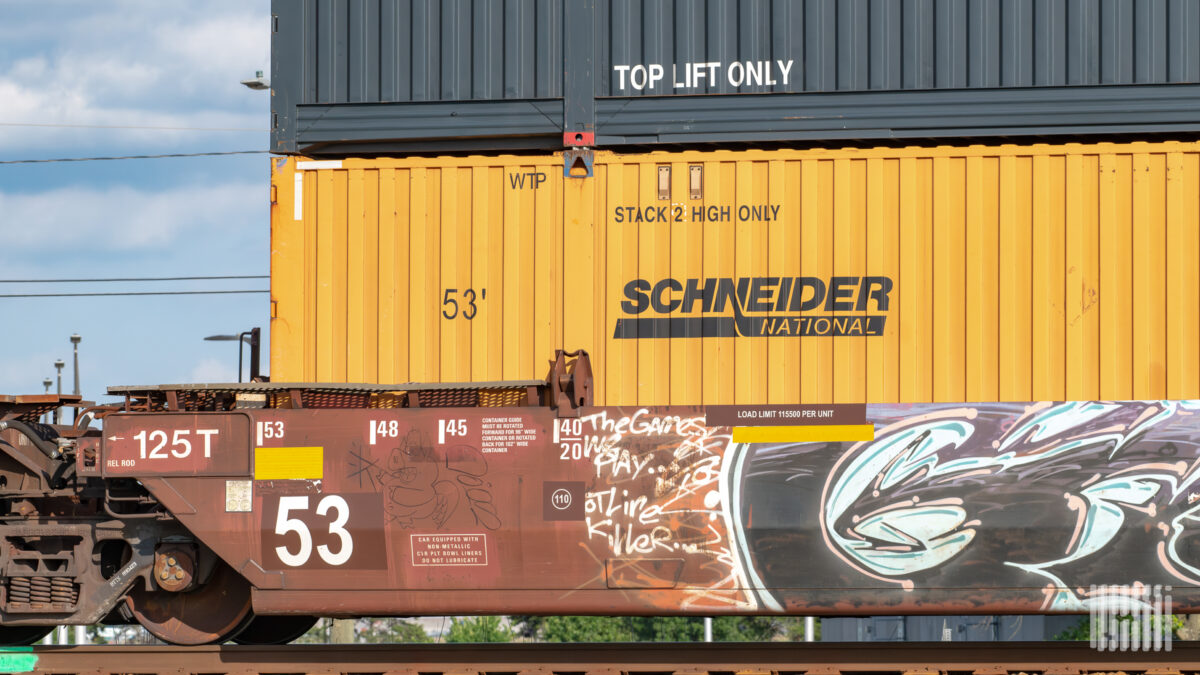
Intermodal activity is already showing strength, according to FreightWaves. As shippers seek alternatives to over-the-road trucking, intermodal rail is absorbing more freight. The combination of rising spot rates and impending peak season demand is driving this shift. Strong intermodal activity is a leading indicator of broader freight market tightening, and it suggests that logistics managers should prepare for increased competition for rail capacity.
Regulatory Crackdowns Tighten Capacity
Fuller also emphasized the impact of regulatory crackdowns on capacity. The FreightWaves update points to stricter enforcement of hours-of-service rules, increased cargo theft prevention measures, and other compliance pressures that are reducing the available pool of trucks and drivers. These regulatory factors compound the market tightening, making it harder for shippers to secure spot capacity.
Implications for Shippers and Operators
For freight forwarders and logistics managers, the message is clear: act now to secure capacity. With container spot rates up 400% and strong intermodal demand, long-haul truckload rates are likely to follow upward. Shippers should lock in contract rates where possible, consider intermodal routing, and monitor West Coast terminal throughput closely. The quiet trucking market offers a brief window before peak season volumes accelerate.
| Indicator | Current Status |
|---|---|
| Container spot rates | Up 400% y/y (per FreightWaves CEO Craig Fuller) |
| Domestic trucking market | Quiet, but expected to tighten with long-haul volume from West Coast |
| Intermodal activity | Strong, rising as an alternative to trucking |
| Regulatory impact | Crackdowns reducing capacity |
Watch List: What to Monitor Next
- West Coast port dwell times: As container volumes rise, berth and yard congestion could reappear, particularly at Los Angeles/Long Beach and Seattle/Tacoma.
- Spot vs. contract rate spreads: The 400% surge in container spot rates may pull contract rates higher as peak season unfolds.
- Regulatory enforcement: FMCSA rules and cargo theft prevention measures could further constrain truck capacity.
- Intermodal rail velocity: Strong intermodal activity could lead to chassis shortages and rail ramp congestion.
FreightWaves will continue to track these dynamics at upcoming industry events, including the Brokerage Compliance Symposium, F3 Awards Dinner, and F3: Future of Freight Festival in Chattanooga.
Sources: