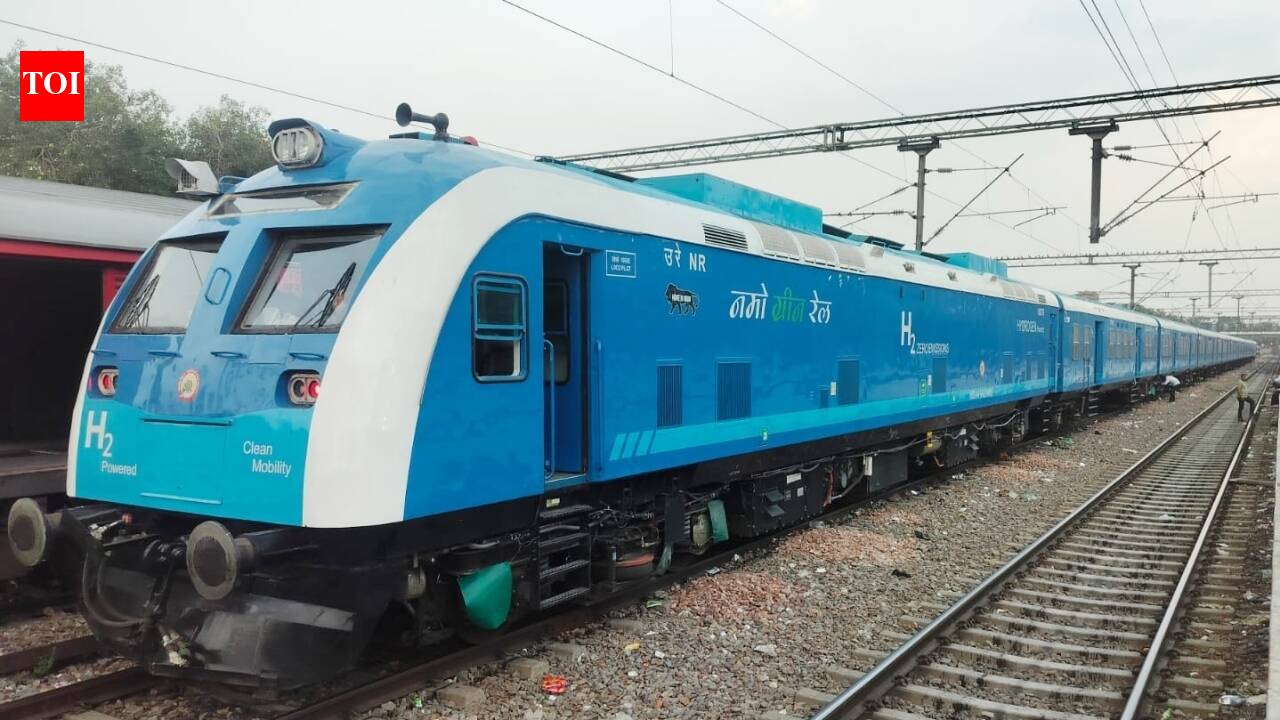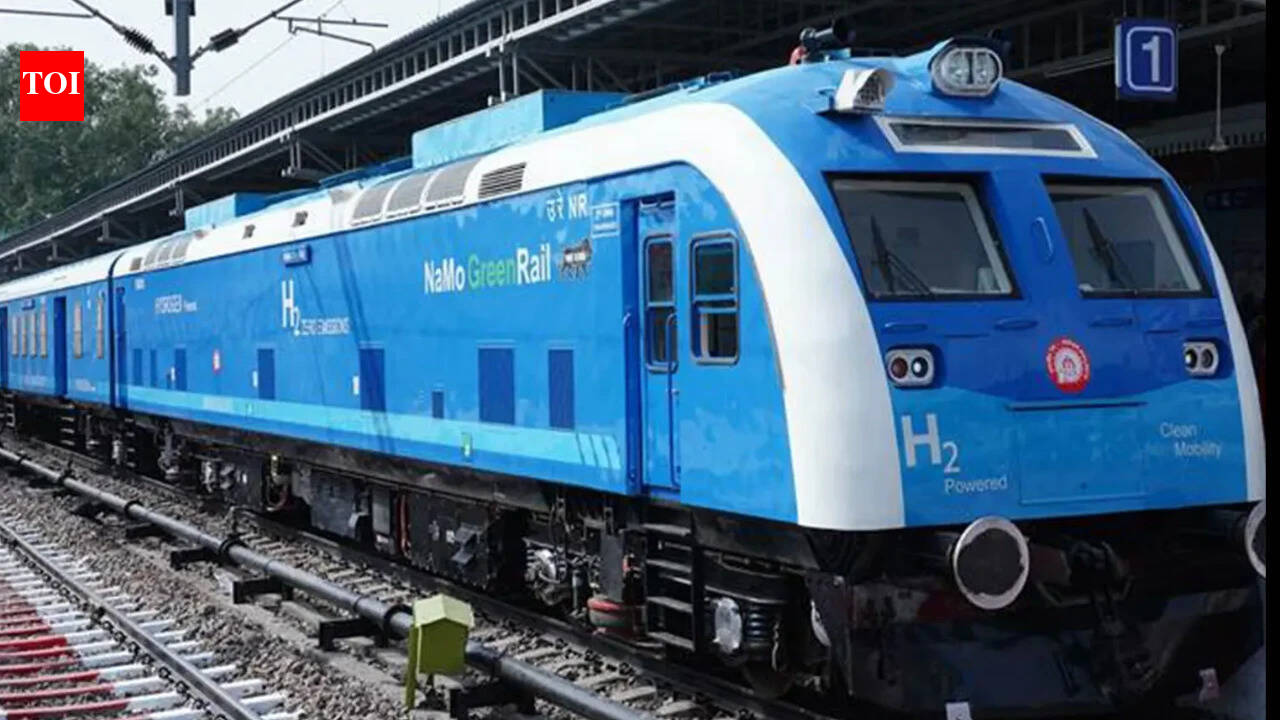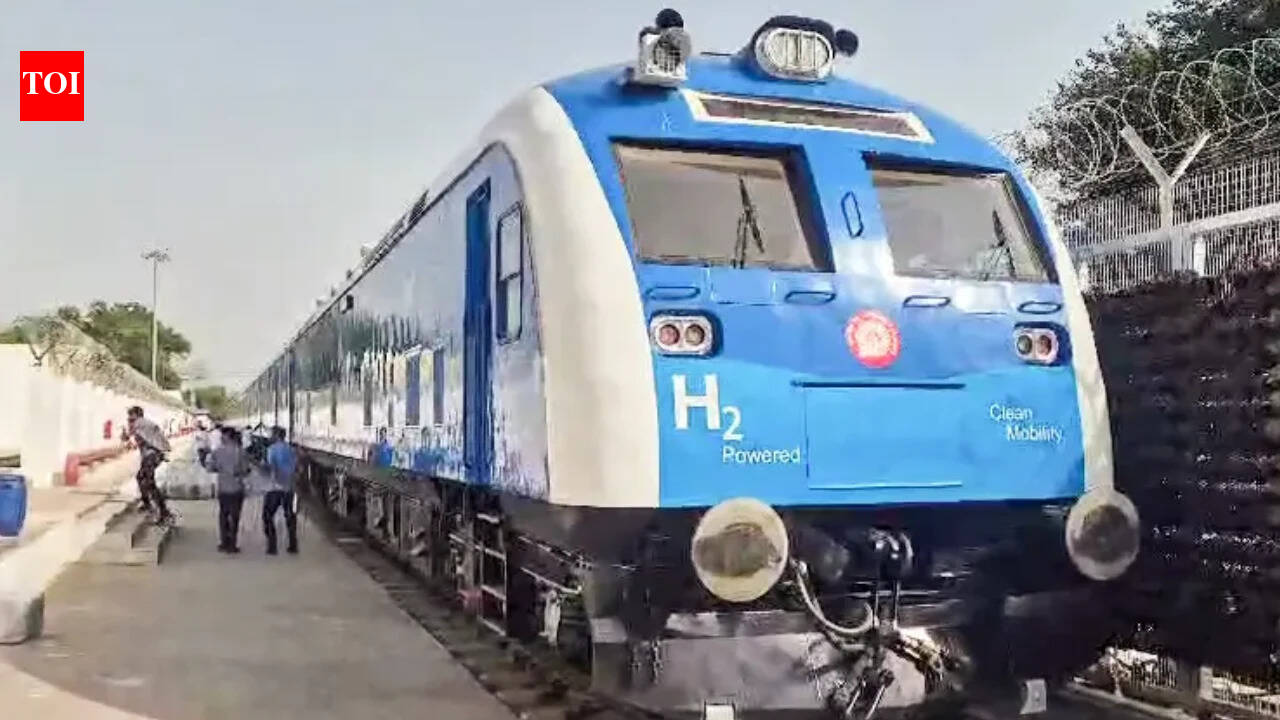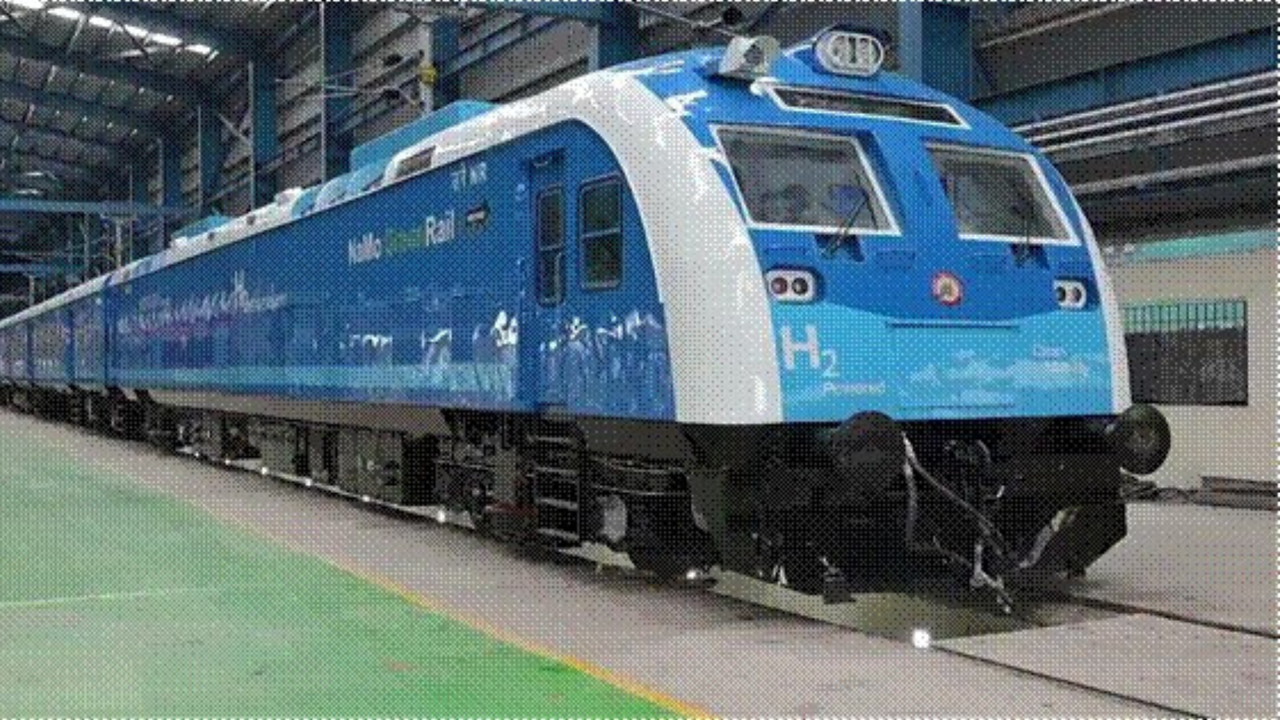
India's first hydrogen fuel-cell train will commence operations on July 17, 2026, on the 89-km Jind–Sonipat section in Haryana, marking a significant step toward cleaner rail transport and the creation of an integrated hydrogen railway ecosystem that could eventually serve freight logistics.
Prime Minister Narendra Modi is scheduled to flag off the train on Friday, according to the Times of India. The launch follows the completion of one of the world's largest railway electrification drives, with more than 99% of India's broad-gauge network now electrified. The hydrogen train represents the next step: onboard electricity generation using hydrogen, producing only water vapour and heat as by-products.
Train specifications and route
The hydrogen fuel-cell trainset comprises 10 coaches — eight passenger trailers and two Hydrogen Driving Power Cars (DPCs) at each end — and can accommodate around 2,600 passengers, making it one of the largest hydrogen-powered passenger trains globally. Most hydrogen trains currently operating have only two to four coaches and serve short regional routes.
Initially, the train will run at a maximum speed of 75 km/h on the Jind–Sonipat route, though it is designed for a top speed of 110 km/h. The route connects Jind Junction, Gohana Junction, and Sonipat, serving intermediate stations including Jind City, Pandu Pindara Junction, Lalit Khera Halt, Bhambhewa, Isapur Kheri Halt, Butana Halt, Khandrai Halt, Rabrah Halt, Lath Halt, Mohana, Barwasni Halt, and Sonipat New. The railways selected this route to demonstrate operational viability, safety, and reliability under regular operating conditions.
| Feature | Detail |
|---|---|
| Coaches | 10 (8 passenger + 2 DPCs) |
| Passenger capacity | ~2,600 |
| Route length | 89 km (Jind–Sonipat) |
| Initial speed | 75 km/h |
| Design speed | 110 km/h |
| Fuel cell type | Proton Exchange Membrane (PEM) |
| Power per DPC | 1,200 kW (1,600 hp) |
| Batteries | Lithium iron phosphate (LFP) |
How the hydrogen train works
Unlike conventional electric trains that draw electricity from overhead wires, the hydrogen fuel-cell trainset generates electricity onboard. Each DPC houses PEM fuel cells, LFP batteries, and hydrogen storage cylinders. The fuel cell combines hydrogen stored at high pressure with oxygen from the air to produce electricity, which powers the traction motors. The only by-products are water vapour and heat — no combustion, no smoke, and virtually no direct carbon emissions.
Hydrogen infrastructure and ecosystem
The project includes the creation of India's first integrated hydrogen railway ecosystem, covering hydrogen production, storage, refuelling, and train operations. Indian Railways has established what it describes as the country's largest railway hydrogen refuelling facility at Jind. The process begins with electrolysis — splitting water into hydrogen and oxygen using electricity — followed by compression to 500 bar for efficient storage.
Implications for logistics and freight
While the initial train is a passenger service, the development of hydrogen fuel-cell technology and the supporting ecosystem — production, storage, refuelling — lays the groundwork for hydrogen-powered freight locomotives. For logistics operators and freight forwarders, this signals a potential shift toward zero-emission rail freight on key corridors. Hydrogen-powered trains eliminate diesel emissions and reduce dependence on overhead electrification, which could be especially valuable on routes where electrification is impractical or costly.
The integration of hydrogen production and refuelling at Jind demonstrates a replicable model. The technical specifications — PEM fuel cells, LFP batteries, 500-bar hydrogen storage — are compatible with heavy-duty freight applications. As the network expands, rail-based logistics may see lower carbon footprints and reduced operating costs in the long term.
Watch list
- Expansion of hydrogen refuelling infrastructure to other railway divisions.
- Potential trials of hydrogen fuel-cell locomotives for freight on non-electrified or partially electrified routes.
- Cost comparisons between hydrogen, diesel, and electric traction for freight operations.
- Policy support and subsidies for hydrogen production and rail applications.
Sources: