A cargo vessel in the Strait of Hormuz was attacked on June 25, 2026, as global shipping operators had begun to restart voyages through the disputed waterway. The incident immediately prompted the International Maritime Organization (IMO) to suspend its support for the vessel movement process, while Iran's Navy declared it would enforce restrictions against ships not using routes authorized by Tehran.
Attack Details and Immediate Response
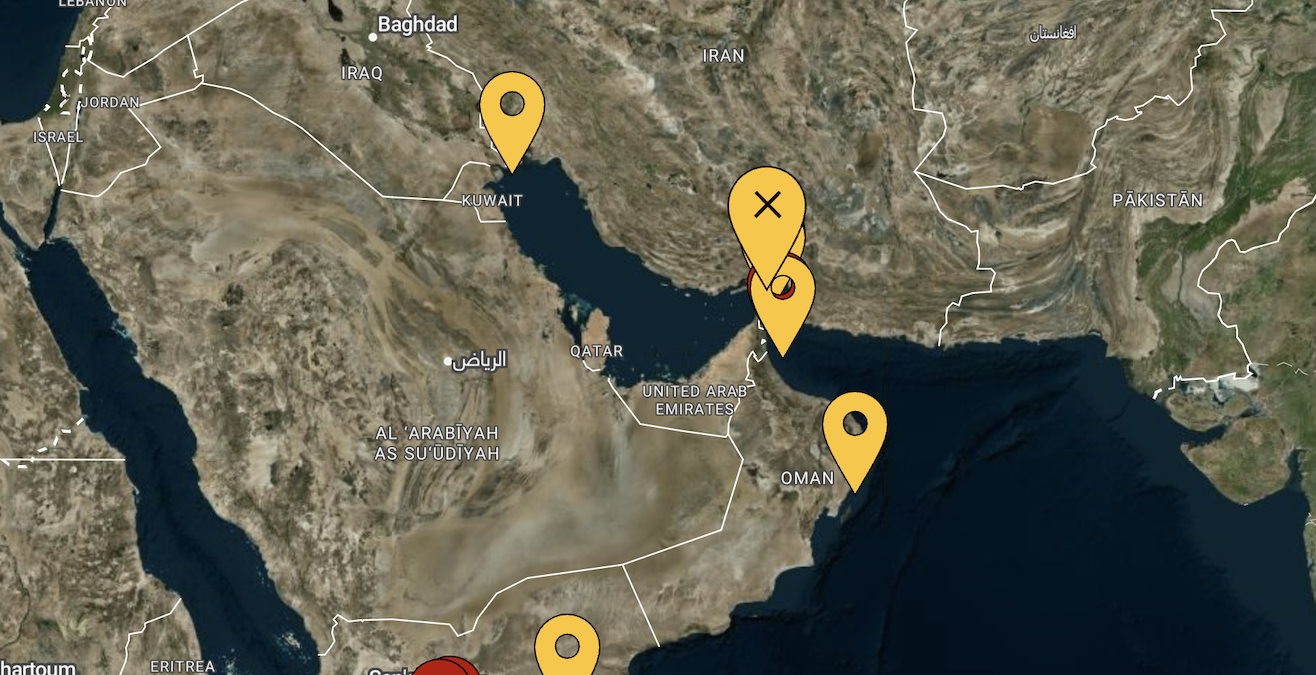
According to the United Kingdom Maritime Trade Operations (UKMTO), it received a report of an incident southeast of Dahit, Oman. “A cargo vessel has been hit on the starboard side by an unknown projectile, causing damage to the bridge,” the security monitor stated. The master reported no casualties and no environmental impact. No other details were reported.
The Gulf of Oman runs up to the southern edge of the Strait of Hormuz, the maritime chokepoint controlled by Iran. The IMO had been coordinating a vessel movement corridor with Oman, the latter said in a statement on social media. After the incident, the IMO said it was suspending until further notice its support for the vessel movement process.
Iran’s Navy said it would enforce restrictions against ships not using routes authorized by Tehran, adding a layer of regulatory uncertainty for carriers transiting the strait.
Geopolitical Negotiations in Flux
Representatives from the U.S. and Iran have been negotiating a permanent end to the conflict that has shaken global shipping. The latest reporting indicates the talks are still moving, but with mixed signals: Trump and U.S. officials are describing the negotiations as constructive, while Iranian officials are publicly contradicting some U.S. claims and stressing caution.
On the Strait of Hormuz, the immediate issue is whether any deal will include limits on Iran’s ability to interfere with shipping or levy tolls. U.S. officials have been talking about keeping the waterway open as part of the broader diplomatic package.
“A cargo vessel has been hit on the starboard side by an unknown projectile, causing damage to the bridge.” — UK Maritime Trade Operations
Immediate Implications for Shippers and Operators
For freight forwarders, logistics managers, and ocean carriers operating in the Persian Gulf and Gulf of Oman, this attack presents an immediate security risk. Vessel operators may need to reassess transit plans, reroute around the Strait of Hormuz, or increase insurance premiums for war-risk coverage. The suspension of IMO support for vessel movement removes a coordinating layer that had helped deconflict commercial and military traffic.
Carriers that had resumed voyages following earlier disruptions must now weigh the heightened threat against schedule commitments. Ports in the region, including Fujairah and Jebel Ali, could see shifts in call patterns if vessels avoid the strait.
The following table summarises key actions and positions following the incident:
| Actor | Action / Statement |
|---|---|
| UKMTO | Reported attack; no casualties or environmental impact |
| Iran Navy | Will enforce restrictions on ships not using authorised routes |
| IMO | Suspended support for vessel movement process |
| U.S. officials | Describe negotiations as constructive; aim to keep waterway open |
| Iranian officials | Publicly contradict some U.S. claims; stress caution |
Watch List
Operators should monitor the following factors that could change the situation:
- U.S.-Iran nuclear negotiations: Progress or breakdown will directly affect the security of shipping in the Strait of Hormuz.
- IMO corridor status: Whether and when the IMO resumes its vessel movement support.
- Iran Navy enforcement: Details on which routes are considered authorised and how restrictions will be enforced.
- Additional attacks: Any repeat incidents could trigger a broader rerouting of global shipping away from the Persian Gulf.
For now, the attack serves as a stark reminder that the risk in the Strait of Hormuz has not subsided, and logistics professionals must maintain contingency plans for alternative routes and elevated security protocols.
Sources: