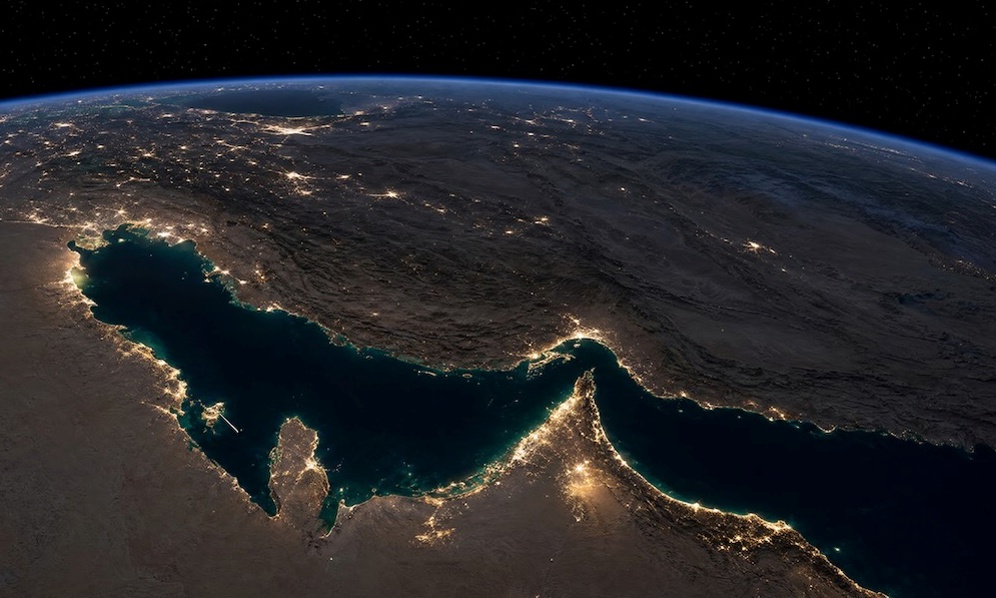
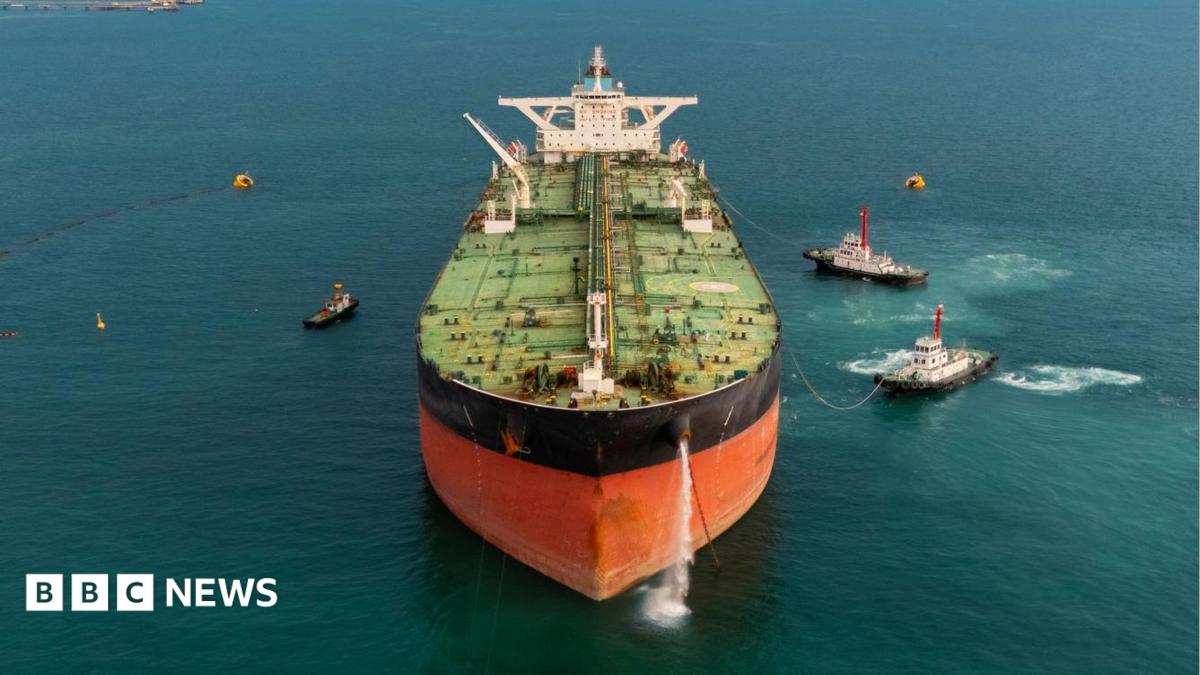
Iran attacked a feeder container ship in the Strait of Hormuz over the weekend, widening its conflict with the United States and threatening a critical chokepoint for global trade. The attack on the 7,000-TEU GFS Galaxy, owned by a UAE company, marks the first assault on container shipping in the strait since May 6, when the CMA CGM San Antonio was targeted. The incident has already driven energy prices sharply higher and casts doubt on shipping lines' plans to resume Red Sea routes.
According to FreightWaves, British security monitors reported the vessel had been set afire and the crew abandoned ship. Iran over the weekend declared the strait closed to vessel traffic and expanded missile and drone attacks on Bahrain, Kuwait, Qatar, the UAE, and Jordan. The U.S. Central Command responded with large-scale assaults on Iranian refineries, according to a social media post on Sunday. The post also noted that more than 140 vessels had transited the waterway in the past seven days.
Impact on Shipping Operations
The GFS Galaxy was exiting the strait on a service calling at Jebel Ali (UAE), Dammam (Saudi Arabia), Bahrain, Port Klang (Malaysia), Dachan Bay, Xiamen, Qingdao (China), and Busan (South Korea). That trade lane — linking the Persian Gulf with major Asian hubs — now faces severe disruption. The strait closure blocks a route used for nearly one-fifth of global oil shipments and a significant share of containerized trade between Asia and the Middle East.
The attack also overshadows Maersk's (OTC: AMKBY) announced plans to restart scheduled services through the Suez Canal and Red Sea. According to FreightWaves, Maersk in January set a return to the Suez route only to pull back after security appeared too dicey. With Iran now widening its attacks to include shipping in the Strait of Hormuz, carriers may further delay any resumption of Suez transits, forcing more vessels around the Cape of Good Hope and extending voyage times.
Energy Price Surge
| Commodity | Price Change (since Friday) |
|---|---|
| Brent crude | +12% |
| European natural gas | +70% |
| U.S. gasoline futures | +10% |
FreightWaves reported that Iran pushed energy prices higher over the weekend by raising fears of supply disruption in the Middle East, especially around the Strait of Hormuz, which handles a large share of global oil and liquefied natural gas flows. Brent crude futures were up about 12% since Friday, European natural gas jumped nearly 70% since Friday, while U.S. gasoline futures rose roughly 10% since late last week. These spikes increase operating costs for carriers and shippers alike.
Geopolitical Escalation
The attack on the GFS Galaxy follows a pattern of escalating military action. The previous container ship attack in the strait occurred on May 6, when crew members were injured on the CMA CGM San Antonio. Iran's declaration closing the strait goes further than any previous move, effectively shutting the waterway to commercial traffic. The U.S. response — including strikes on Iranian refineries — signals a widening confrontation that could last weeks or months. FreightWaves noted that the crumbling ceasefire and climbing gas prices are contributing factors.
Implications for Shippers and Carriers
Shippers with cargo destined for or originating from the Persian Gulf should expect significant delays as vessels avoid the Strait of Hormuz. Rerouting via the Cape of Good Hope adds roughly 10–12 days to voyages between Asia and the Middle East. Alternatives such as the Suez Canal are themselves under threat due to Red Sea instability. Container availability in the region could tighten as equipment gets stranded. Carriers may impose higher war-risk surcharges or suspend services.
FreightWaves reported that the flaring hostilities also shadow Maersk's plans. The liner had already pulled back once from the Suez route. With the strait closed, any hopes of a return to normal transit routes are dashed for the foreseeable future. Shippers should prepare for extended transit times and higher freight rates on Middle East–Asia and Asia–Europe lanes.
Watch List
- Strait of Hormuz reopening: Iran's closure may last days or weeks. Monitor diplomatic channels.
- Maersk and other carriers: Any official announcements on service suspensions or surcharges.
- Energy prices: Further spikes will raise fuel costs for all transport modes.
- U.S. military response: Escalation could draw in other Gulf states and affect airspace.
- Container ship attacks: Additional incidents could widen the crisis to other chokepoints like Bab el-Mandeb.
Sources: