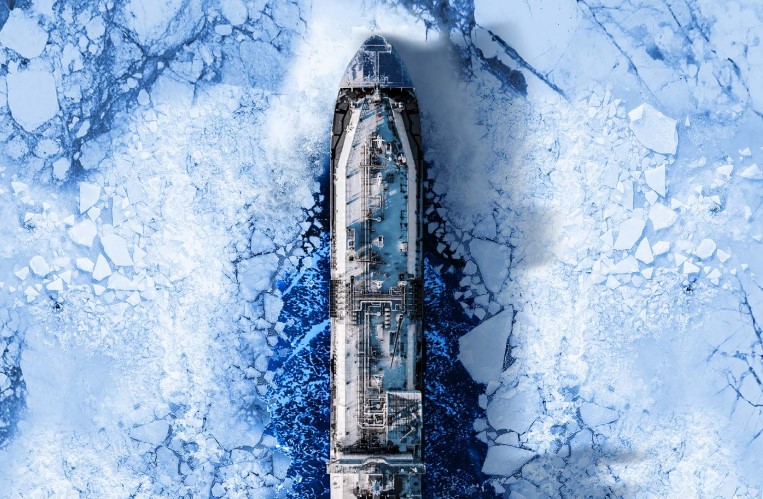
More than 100 European parliamentarians have demanded Danish shipyard Fayard stop servicing Arc7 ice-class LNG tankers used for Russia's Arctic LNG exports, threatening to remove the last EU-based repair option for the fleet and potentially disrupting maintenance schedules critical to keeping Yamal LNG cargoes flowing.
Open letter and political pressure
According to Splash247, an open letter to Fayard chief executive Thomas Andersen, published today, was signed by 51 MEPs and 50 members of national and devolved parliaments from 16 European countries. Among the signatories are three vice-presidents of the European Parliament and members of six political groups. The letter calls on the yard to accept no further vessels serving Russian Arctic LNG exports and to publicly rule out any further work on them in 2026.
The intervention follows the arrival at Fayard's Munkebo facility on June 30 of the Rudolf Samoylovich, the first of up to six Arc7 tankers that campaign group Urgewald has identified as potentially requiring maintenance this summer. The EU's 20th sanctions package prohibits maintenance and other services to LNG tankers operating in Russia from January 1, 2027, and the letter warns that servicing the ships now risks handing the fleet "a final European repair window" that keeps it running for years beyond the embargo.
Fayard's unique role in the Arctic LNG supply chain
Fayard has been the fleet's only remaining EU option since Damen Shiprepair Brest stopped accepting the vessels in August 2024. Each of the six ships flagged by Urgewald has carried an average of 5.3 million tonnes of Russian LNG since the full-scale invasion of Ukraine (around €4 billion in cargo value per vessel), hauling for the Yamal LNG project.
“Fayard should not play into Russia’s hands here and prepare the ships for a business that Europe actually intends to weaken,” said Villy Søvndal, the Danish MEP who coordinated the letter.
The yard has faced criticism from the very top in Copenhagen, with Danish prime minister Mette Frederiksen calling it "inconceivable" that a Danish yard should service vessels carrying Russian gas, while Vladyslav Vlasiuk, sanctions adviser to Ukrainian president Volodymyr Zelenskyy, has described Fayard as a critical link in Russia's logistics chain.
Operational implications for shippers and carriers
The potential loss of Fayard as a repair hub creates a bottleneck for Yamal LNG operators. The six Arc7 tankers identified by Urgewald conduct a significant portion of Russia's Arctic LNG shipments. Without EU-based maintenance, vessels may face longer turnaround times or need to seek repair services outside Europe, likely at higher cost and with greater regulatory risk. The EU's 2027 prohibition is already set, so any work done in 2026 could effectively extend the operational life of these ships well beyond the embargo deadline. For logistics managers overseeing LNG supply chains, this increases uncertainty around vessel availability and schedule reliability on the Yamal route.
| Vessel | Average Russian LNG carried since Feb 2022 | Estimated cargo value |
|---|---|---|
| Each of 6 Arc7 tankers | 5.3 million tonnes | €4 billion per vessel |
Fayard's position
Fayard has previously said its work complies with current EU rules and supports maritime safety, according to Splash247. No response to the open letter has been published yet.
Watch list
- Arrival of remaining five Arc7 tankers at Fayard's Munkebo facility for scheduled maintenance.
- Potential further political action from EU institutions or national governments to accelerate the repair ban.
- Reaction from Rosatom or Yamal LNG charterers to a possible loss of EU repair access.
- EU enforcement of the 20th sanctions package and any transitional periods for ships already under contract.
Sources: