iGEN
Visit IGEN World Explore IGEN Expo
EXPLORE UPGRADE PLANS
BREAKING
Open-source Discord alternatives: What Stoat and Element actually fix - Engadget India launches producer price index; wholesale inflation gauge to be phased out in five years India, UK work to resolve issues holding up trade pact implementation, says official ‘Let the oil flow’: What Trump’s possible peace deal with Iran, Strait of Hormuz opening mean for India Samsung MAX VPN Shuts Down June 15, 2026, Leaving 50 Million Users Seeking Alternatives Why UK data sovereignty is the next competitive advantage for digital industries Novo Nordisk Reveals Clinical Trials Data Breached in Cyberattack, Patient IDs Exposed El Nino May Weaken India's Monsoon, Threaten Rice and Maize Output, FAO Warns Nigel Farage Warns UK Social Media Ban 'Unlikely to Work' Due to VPNs YouTube Premium at $16 Includes YouTube Music: Subscription Swap Analysis for Heavy Users Open-source Discord alternatives: What Stoat and Element actually fix - Engadget India launches producer price index; wholesale inflation gauge to be phased out in five years India, UK work to resolve issues holding up trade pact implementation, says official ‘Let the oil flow’: What Trump’s possible peace deal with Iran, Strait of Hormuz opening mean for India Samsung MAX VPN Shuts Down June 15, 2026, Leaving 50 Million Users Seeking Alternatives Why UK data sovereignty is the next competitive advantage for digital industries Novo Nordisk Reveals Clinical Trials Data Breached in Cyberattack, Patient IDs Exposed El Nino May Weaken India's Monsoon, Threaten Rice and Maize Output, FAO Warns Nigel Farage Warns UK Social Media Ban 'Unlikely to Work' Due to VPNs YouTube Premium at $16 Includes YouTube Music: Subscription Swap Analysis for Heavy Users
Home ›› Logistics ›› Shipping Freight ›› Tankers Lng ›› Strait of Hormuz Closure Hits 100 Days as Dark Tanker Trade Masks True Oil Flow

Strait of Hormuz Closure Hits 100 Days as Dark Tanker Trade Masks True Oil Flow

The Strait of Hormuz has been effectively closed for more than 100 days, causing a 95% reduction in crude shipments from Arabian Gulf ports and a 99% drop in LNG carriers, according to WTO data. The 'dark trade' of vessels running without AIS transponders makes actual oil flows difficult to quantify, but analysts estimate 100 million barrels may have moved through since May 1. Despite the disruption, Brent crude sits at $87.55 per barrel due to buffers from China, the US, Brazil, and Canada. Recovery may take years, with IEA warning of up to two years for energy facility repairs.

iG
iGEN Editorial
June 14, 2026
Strait of Hormuz Closure Hits 100 Days as Dark Tanker Trade Masks True Oil Flow

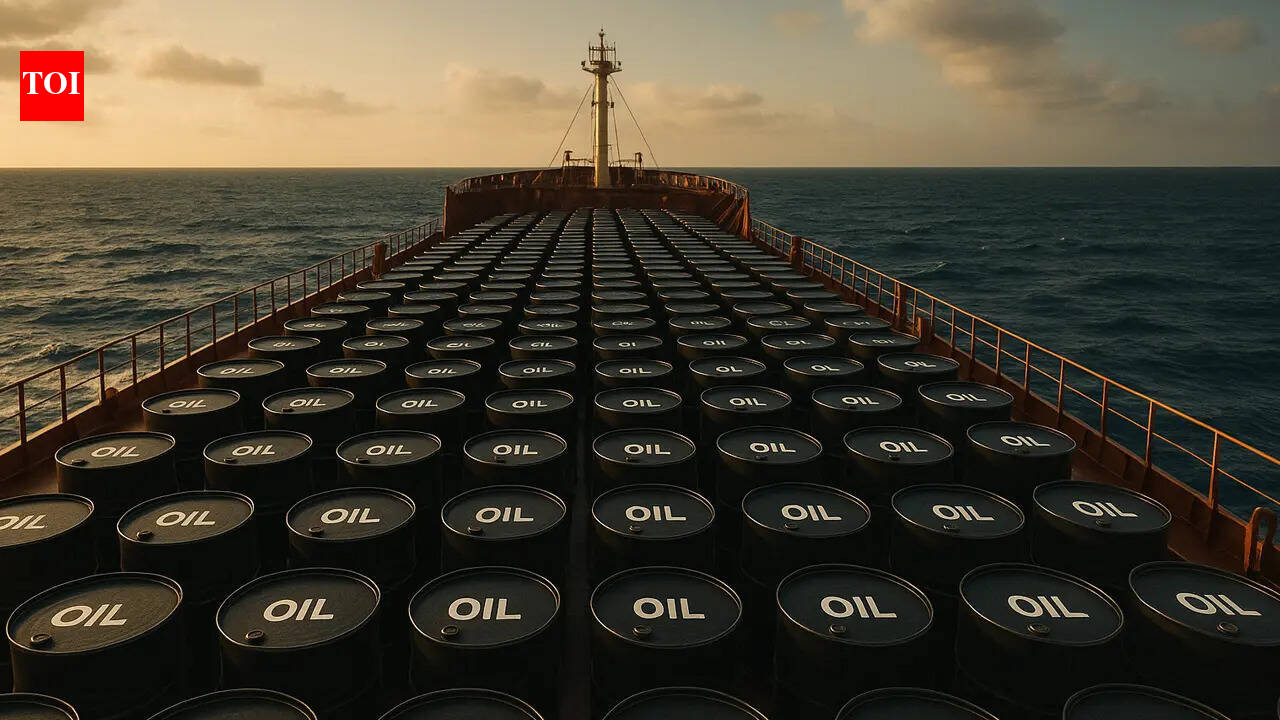
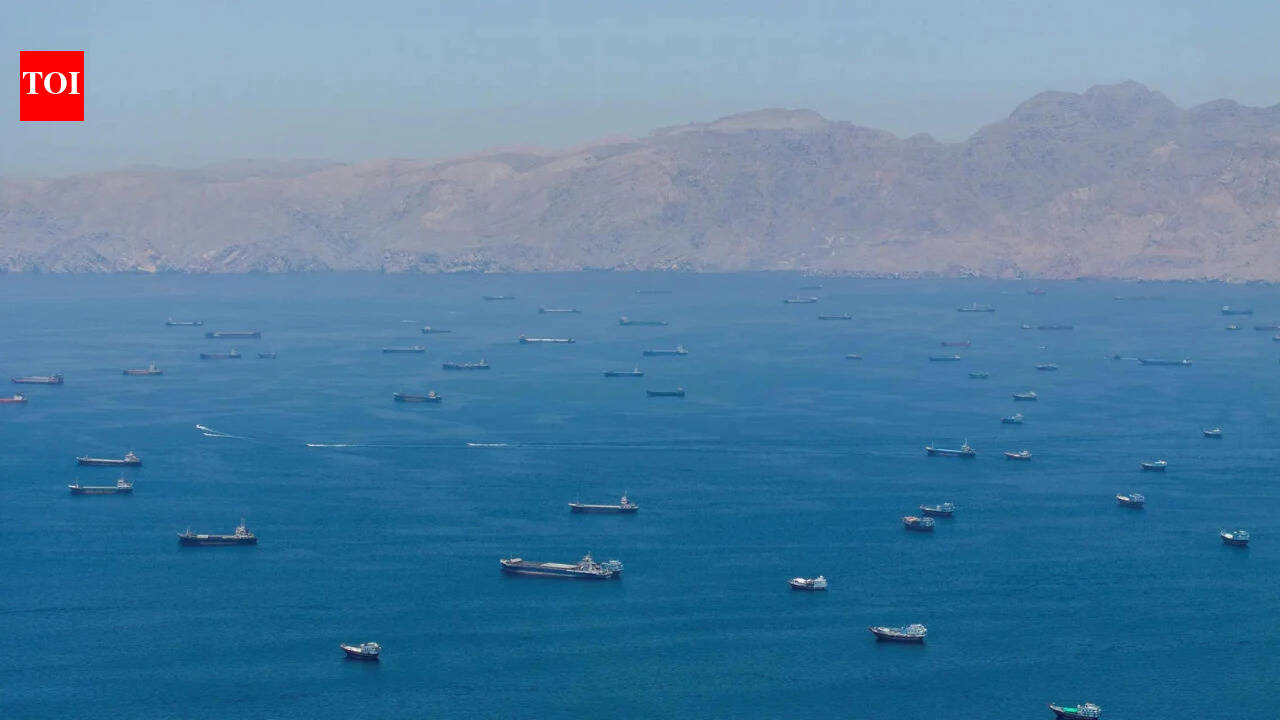
The Strait of Hormuz has been effectively closed for over 100 days, triggering the largest supply disruption in oil market history according to the International Energy Agency, yet the true volume of crude escaping the blockade remains obscured by a surge in dark tanker operations.

World Trade Organization data shows a 95 percent reduction in crude oil shipments from Arabian Gulf ports and a 99 percent reduction in liquefied natural gas carriers, the WIRED report states. The IEA has called it "the largest supply disruption in the history of the global oil market." Yet Brent crude trades at $87.55 per barrel—the lowest since before the conflict began.

The Dark Trade and Its Impact on Shipping Intelligence

A key operational factor for freight forwarders and tanker operators is the rise of the "dark trade"—vessels running without their AIS transponders on, moving at night, closer to the Omani border, sometimes with naval escort, according to Matt Stanley, head of market engagement at Kpler, the commodity intelligence and ship-tracking firm. This makes it difficult for logistics professionals to verify actual oil flows and plan shipping capacity.

"No one's experienced this kind of disruption," Stanley said. He notes that it is possible 100 million barrels made it through the Strait of Hormuz since the first of May. "When you put into context, pre-conflict, it was about 20 million barrels a day that was going through, so five days worth of oil, in a normal traffic environment, and it's taken over a month. 100 million barrels, it's a good number, but it's a relative drop in the ocean, literally, compared to previous traffic."

Despite the AIS gaps, analysts have detected some crude types in other markets. The UAE's Murban crude can be exported via Fujairah, outside the strait. Another type, Upper Zakum crude, cannot—yet one oil market analyst noted sightings of Upper Zakum in other markets. The scale of such diversions remains unknown.

Buffers Holding the Line – But for How Long?

Price stability stems from massive buffers. China has approximately 1.3 billion barrels in storage, drawing it down at around a million barrels per day, Stanley says. Chinese demand from May through July was about 7 million barrels a day, compared to 12.5 million barrels a day in December. The US, Brazil, and Canada have also stepped in to fill part of the void.

Iman Nasseri, managing director for the Middle East at FGE NexantECA, an energy and chemical advisory company, said: "The oil market responded to this outage significantly well in terms of cutting parts of demand. There is also a significant amount of stock that has come to market, but we doubt that they will continue to do that. We expect that by July [if the strait remains closed], things will change."

Metric Value Source
Reduction in crude shipments from Arabian Gulf ports 95% WTO
Reduction in LNG carriers 99% WTO
China's strategic storage ~1.3 billion barrels Kpler
China's draw rate ~1 million bpd Kpler
Brent crude price (current) $87.55/barrel Market data
Global oil supply drop (March) 10.1 million bpd S&P Global CERA
OPEC+ production drop (March) 9.4 million bpd MoM S&P Global CERA

Recovery Prospects and Shippers' Watch List

Analysts warn buffers will not last. One analyst noted stocks are approaching operationally critical levels—where oil in storage and additional supply needs replenishment. The US, currently acting as a swing producer, faces its own deadline as the end of the year approaches, when it will have to prioritize domestic production for heating.

"People looking at October, you really think that it would be sorted out by the middle of August," Stanley says. "That's what I think the market is hoping for."

Recovery of shut-in fields will take time. Analysis by S&P Global CERA estimates restart timelines of 10 weeks to seven months for fields shut down for two months. IEA executive director Fatih Birol has said more than 80 energy facilities have been damaged, and recovery "could take as long as two years." The UAE's national oil company estimates full Hormuz flows won't resume until 2027.

For freight forwarders and logistics operators, the closure means continued reliance on alternative routes (e.g., Fujairah for UAE exports), potential insurance premium spikes for vessels transiting the region, and careful monitoring of AIS gaps to assess real supply. The dark tanker trade will persist as long as the blockade remains, making traditional ship-tracking data unreliable. Shippers should prepare for extended disruptions and plan for contingency routing, especially for crude and LNG volumes that typically transit the strait.


Sources: WIRED – Top Stories

Keep Reading

Recommended Stories

Strait of Hormuz Closure: Fitch Says High Oil Prices a Temporary Shock as Supply to Return to Surplus Commodities

Strait of Hormuz Closure: Fitch Says High Oil Prices a Temporary Shock as Supply to Return to Surplus

Fitch Ratings expects the Strait of Hormuz to reopen by end of July, bringing oil prices back to an average of $87 per barrel in 2026. The agency says the recent surge is a temporary logistical bottleneck, not a permanent supply loss, and markets will return to surplus from September.

June 14, 2026
Geopolitical Shifts Demand Agility in Global Shipping Logistics

Geopolitical Shifts Demand Agility in Global Shipping

Geopolitical tensions are reshaping global shipping markets, affecting trade flows, fleet deployment, and freight rates. Shipowners are urged to remain flexible and adaptive to navigate these changes effectively.

June 4, 2026
U.S.-Iran Peace Deal Reopens Strait of Hormuz, Unleashing Global Oil Supply Commodities

U.S.-Iran Peace Deal Reopens Strait of Hormuz, Unleashing Global Oil Supply

The United States and Iran have reached a peace deal to end the war and lift restrictions on the Strait of Hormuz, through which 20% of the world's crude oil flows. The agreement suspends sanctions on Iranian oil, releases $24 billion in frozen assets, and provides a 60-day period to negotiate a permanent settlement. The U.S. will lift its blockade within 30 days, but analysts caution it will take two to three months for shipping to fully normalize due to mines and supply chain bottlenecks.

June 15, 2026
Crude oil futures decline over 4% after Trump announces Iran peace deal Commodities

Crude oil futures decline over 4% after Trump announces Iran peace deal

Crude oil futures declined by more than 4% on Monday after US President Donald Trump announced a peace deal with Iran, including the opening of the Strait of Hormuz and removal of the naval blockade. August Brent crude fell to $83.27 per barrel, while July WTI dropped to $80.55. Other commodities like natural gas also declined, while jeera and dhaniya futures rose.

June 15, 2026