iGEN
Visit IGEN World Explore IGEN Expo
EXPLORE UPGRADE PLANS
BREAKING
Inside the rogue ChatGPT hack of Hugging Face: AI agents operate at superhuman speed but make clumsy mistakes Landstar Expects to Emerge a Winner After Supreme Court’s Montgomery Ruling Widens Broker Liability New Senate bill targets 'chameleon carriers' that reopen to escape penalties Werner Enterprises Posts Highest Revenue Per Truck Growth in One-Way Segment in a Decade CMA CGM and Stonepeak Launch United Ports LLC in $2.4 Billion Terminal Joint Venture UPS shift away from Amazon shows bigger payoff Lanesurf: 62% of Loads Get Vetted Carrier Offers Before Brokers Arrive India-China Border Trade Via Lipulekh Resumes Aug 1; China Permits 20 Traders Geopolitics Drives CMA CGM Q2 Profit Surge of 42% as Volumes and Rates Climb Benchmark Diesel Price Rises Third Week as Futures Plunge; Spread Hits Record Inside the rogue ChatGPT hack of Hugging Face: AI agents operate at superhuman speed but make clumsy mistakes Landstar Expects to Emerge a Winner After Supreme Court’s Montgomery Ruling Widens Broker Liability New Senate bill targets 'chameleon carriers' that reopen to escape penalties Werner Enterprises Posts Highest Revenue Per Truck Growth in One-Way Segment in a Decade CMA CGM and Stonepeak Launch United Ports LLC in $2.4 Billion Terminal Joint Venture UPS shift away from Amazon shows bigger payoff Lanesurf: 62% of Loads Get Vetted Carrier Offers Before Brokers Arrive India-China Border Trade Via Lipulekh Resumes Aug 1; China Permits 20 Traders Geopolitics Drives CMA CGM Q2 Profit Surge of 42% as Volumes and Rates Climb Benchmark Diesel Price Rises Third Week as Futures Plunge; Spread Hits Record
Home ›› Logistics ›› Shipping Freight ›› Tankers Lng ›› Strait of Hormuz Operations at Risk as Iran-Oman Toll Plan Threatens Global Oil and LNG Flows

Strait of Hormuz Operations at Risk as Iran-Oman Toll Plan Threatens Global Oil and LNG Flows

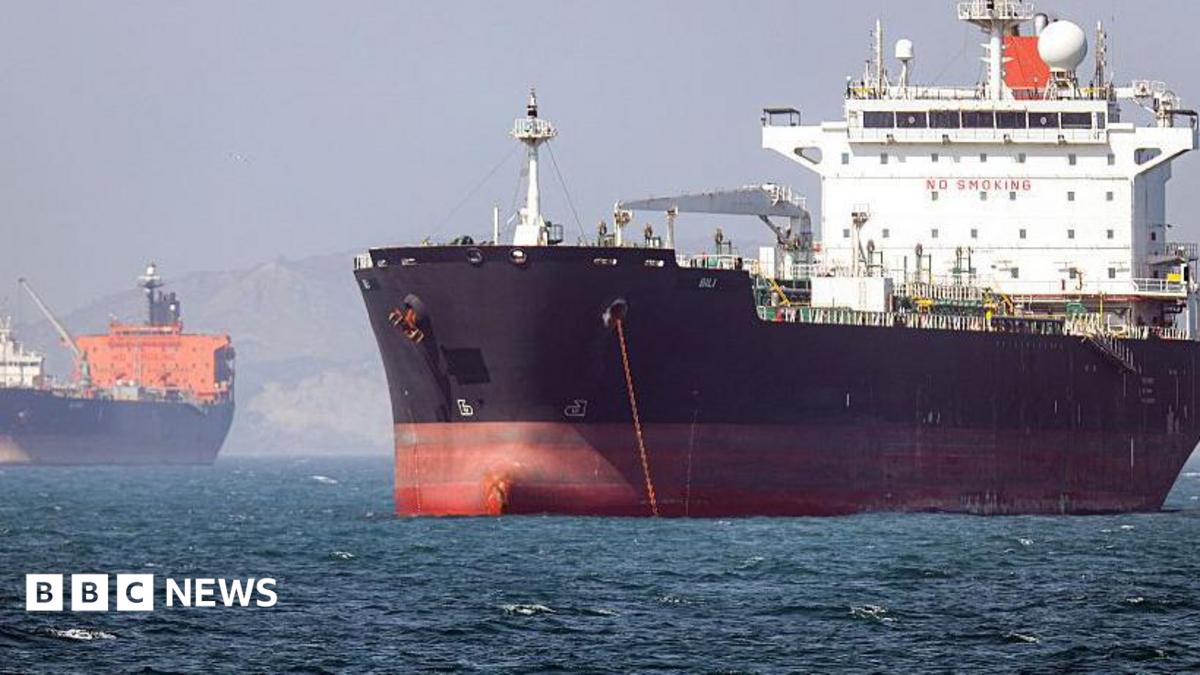
Iran and Oman are considering charging ships for transit through the Strait of Hormuz, a vital chokepoint for about one-fifth of global oil and LNG trade. The move follows a months-long blockade triggered by conflict, and despite a June 17 MoU that reopened the strait, attacks on vessels continue. The legal status of such tolls is disputed, with the US warning of 'total chaos'.

iG
iGEN Editorial
June 30, 2026
Strait of Hormuz Operations at Risk as Iran-Oman Toll Plan Threatens Global Oil and LNG Flows

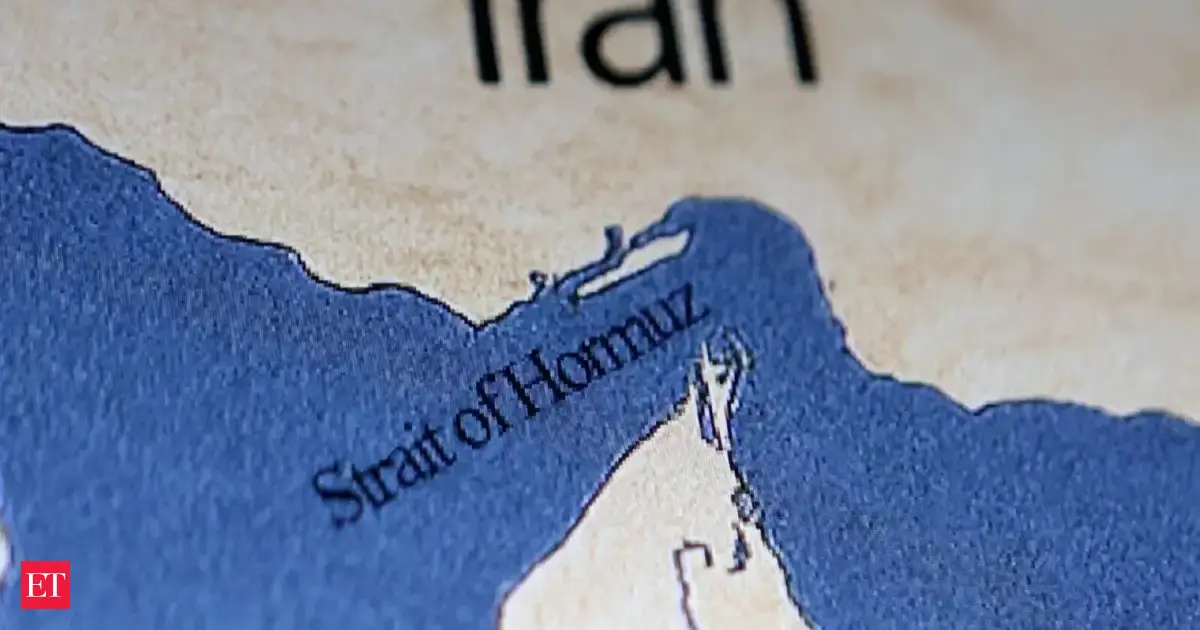
Operations through the Strait of Hormuz face renewed uncertainty as Iran and Oman signal plans to impose transit fees on commercial vessels, threatening to add costs and complexity for shippers of oil and liquefied natural gas (LNG) moving between the Gulf and global markets. The strait, a 50-kilometer-wide chokepoint barely 60 meters deep, has seen a tentative resumption of traffic after a three-month blockade, but geopolitical tensions remain high.

Strategic Importance for Global Energy Trade

According to the US Energy Information Administration (EIA), the Strait of Hormuz is "one of the world's most important oil chokepoints." In 2024, an average of 20 million barrels per day of crude oil and petroleum products—about one-fifth of global consumption—transited the waterway. Additionally, around one-fifth of the global LNG trade, primarily from Qatar, moved through the strait that year. The narrow, shallow corridor between Iran and Oman's Musandam exclave is vulnerable to military intervention, a reality that became stark in February when a blockade triggered by Israeli-American attacks caused oil prices to skyrocket. Prices have since returned to pre-war levels, but the underlying instability persists.

Legal and Operational Disputes Over Transit

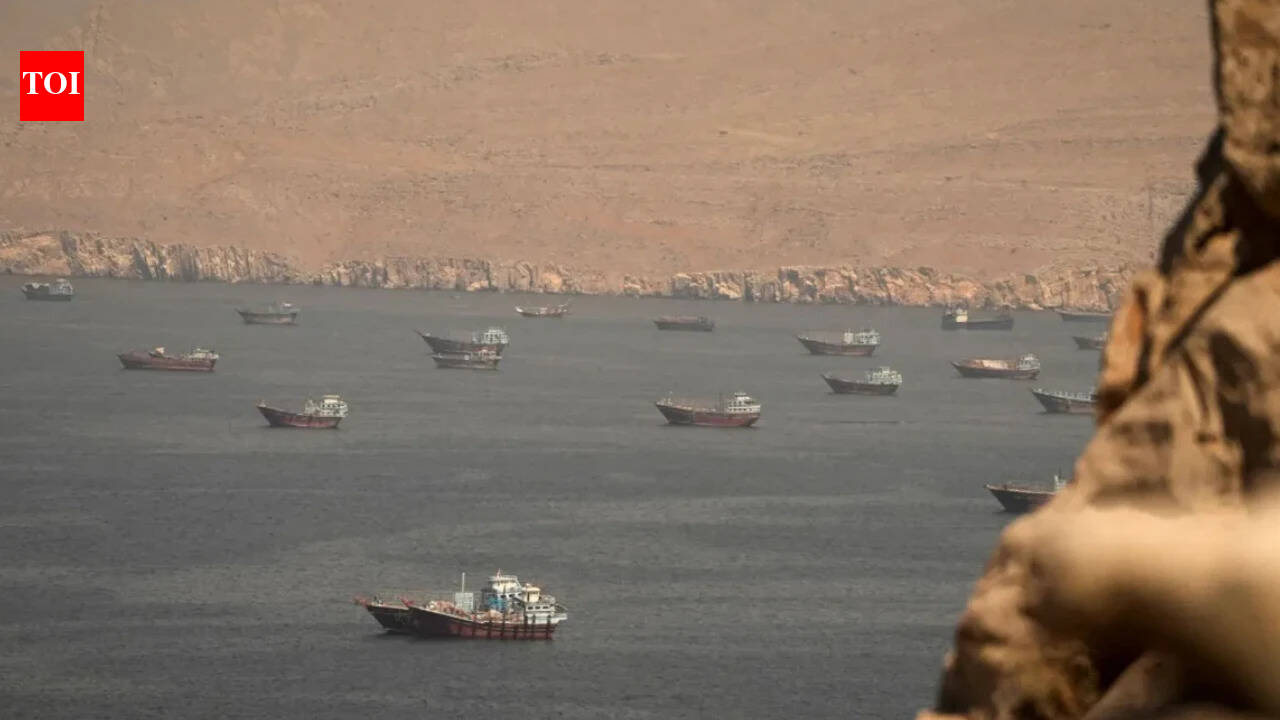
More than three months after hostilities began, Tehran and Washington signed a memorandum of understanding on June 17 that provided for reopening. Maritime traffic has "tentatively resumed," but control remains disputed. Iran, which has never ratified the United Nations Convention on the Law of the Sea (UNCLOS), now authorizes transit only through a single corridor along its coastline and has threatened action against vessels violating that rule. Attacks on commercial vessels have been reported in recent days, prompting retaliatory US strikes.

Iran and Oman are now considering charging ships to pass. Tehran refers to "service fees" or "insurance" rather than a toll. Marco Roscini, international law professor at Westminster Law School, told AFP in March that the transit passage regime is "widely regarded as part of customary international law" even without Iran's ratification. Dimitris Ampatzidis, an analyst at maritime tracking platform Kpler, noted that the change in terminology "may be an attempt to frame the demand in a more legally defensible way." He added that under international maritime law, charges for specific services like pollution response or navigation assistance might be permissible. Oman has suggested that such fees, modeled on similar charges elsewhere, would be in accordance with international law—likely referencing the IMO Co-operative Mechanism for the Straits of Malacca and Singapore. Ampatzidis stressed that mechanism is "based on cooperation and voluntary cost-sharing for navigation safety and environmental protection, not a precedent for a coastal state unilaterally imposing a toll."

Aspect Details
Chokepoint role ~20% of global oil & petroleum products; ~20% of LNG trade (2024)
Key players Iran, Oman, US, Qatar
Current status Tentative resumption after MoU (June 17); still contested
Proposed charges Iran/Oman consider tolls or service fees
Legal basis Disputed; UNCLOS guarantees transit, but Iran not a party
US warning Secretary of State Marco Rubio: "total chaos" if toll implemented

Implications for Shippers and Operators

For freight forwarders and ocean carriers handling energy shipments, the situation demands heightened vigilance. The potential imposition of tolls could increase freight costs for tankers and LNG vessels, while the single-corridor policy may cause delays or rerouting. The recent attacks on commercial vessels underscore the security risk. While a full blockade has been lifted, shippers should expect continued volatility and consider alternative routing options, such as the Bab el-Mandeb or longer voyages around Africa, though these carry their own cost and time penalties. The dispute over legal authority means any new charges could be challenged, creating regulatory uncertainty. Operators should monitor updates from Iran, Oman, and the US, and ensure their insurance policies cover war-risk zones.

Watch List

  • Ceasefire compliance: Both sides accuse each other of violations; any escalation could re-close the strait.
  • US retaliatory strikes: Further attacks on vessels may provoke additional military responses.
  • Toll implementation details: Whether Iran/Oman move from discussion to enforcement, and how the US reacts.
  • Legal developments: Possible international arbitration or IMO involvement to clarify transit rights.

Sources: Economic Times – Foreign Trade
Keep Reading

Recommended Stories

Strait of Hormuz Crisis Tests Trust Between Shipmanagers, Owners and Crews, Says InterManager President Logistics

Strait of Hormuz Crisis Tests Trust Between Shipmanagers, Owners and Crews, Says InterManager President

The crisis in the Strait of Hormuz is testing relationships between shipmanagers, owners, and crews. InterManager president Sebastian von Hardenberg writes that mental well-being and transparent communication are critical. The industry's response will affect seafarer recruitment and retention.

June 29, 2026
US Forces Fire Hellfire Missiles to Disable Iran-Bound Tanker in Arabian Gulf Logistics

US Forces Fire Hellfire Missiles to Disable Iran-Bound Tanker in Arabian Gulf

U.S. forces fired Hellfire missiles to disable the Curacao-flagged tanker M/T Belma attempting to violate a blockade toward Iran's Kharg Island terminal. The vessel ignored multiple warnings and is no longer transiting. The U.S. blockade began July 14 after the ceasefire collapsed. Crude oil futures stabilized at $78 per barrel with reduced Strait of Hormuz traffic.

July 16, 2026
Hormuz crisis reaches final form: double tolls, dual routes, and paralysis for shipping Logistics

Hormuz crisis reaches final form: double tolls, dual routes, and paralysis for shipping

The Strait of Hormuz has become the world's first double-tolled chokepoint after the US announced a 20% levy on all cargo transiting the strait, while Iran continues collecting fees from 'friendly' vessels. The dual pricing, along with two rival traffic routes and two irreconcilable geopolitical worldviews, is creating paralysis across ocean freight, especially for oil and LNG tankers. P&I clubs, charterers and traders have no precedent to price the risk.

July 14, 2026
Strait of Hormuz Near Standstill, Ukraine Strikes, Evergreen Raided, ZIM Sale Faces Hurdles Logistics

Strait of Hormuz Near Standstill, Ukraine Strikes, Evergreen Raided, ZIM Sale Faces Hurdles

The Strait of Hormuz saw a near standstill after US strikes on Iran, with three vessels attacked. Ukraine escalated attacks on Russian shipping. Evergreen Marine was raided in Taiwan. The ZIM sale to Hapag-Lloyd faces political opposition. The Panama Canal will reduce neopanamax draught limits.

July 10, 2026