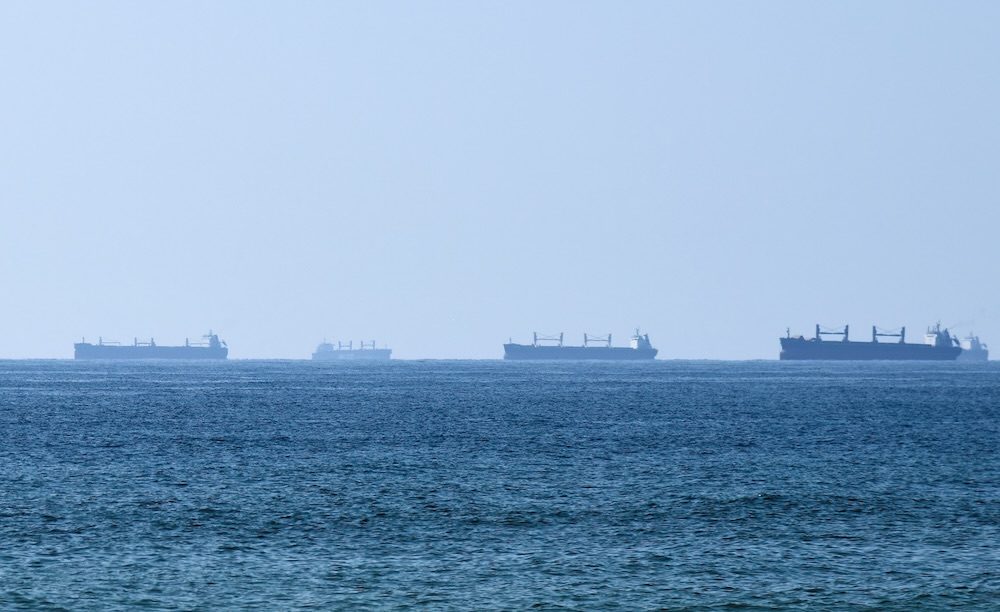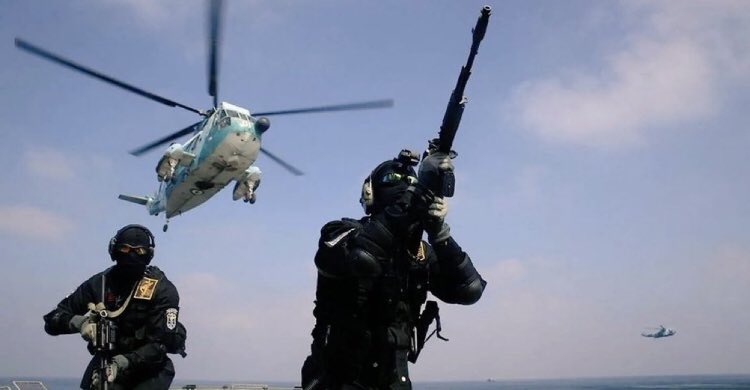
Tanker transits through the Strait of Hormuz have plunged to record lows after Iranian forces scored direct hits on commercial ships, severely testing the risk appetite of remaining operators, according to shipping broker Arrow Shipbroking.
The Joint Maritime Information Centre has now counted 14 Iranian attacks on commercial ships since June 25, according to Splash247, underlining the rapid deterioration in security following the collapse of the US-Iran memorandum of understanding. The wider International Maritime Organization tally shows 61 confirmed maritime incidents across Hormuz and the Middle East since the US went to war with Iran at the end of February, with 17 seafarer fatalities recorded by July 21.
Impact on Tanker Movements
Arrow Shipbroking reported that tanker movements through the Strait of Hormuz had fallen sharply over the past week. Outbound traffic averaged just four tankers a day, while inbound movements dropped to three, compared with respective averages of eight and seven during the MoU period. The broker warned that the pool of tonnage willing to transit was already concentrated among a small number of owners and operators before the latest attacks.
That limited risk appetite has now been “severely tested” by direct hits on commercial tankers, Arrow noted, predicting an even steeper fall in crossings by compliant vessels as regional risk moves into uncharted territory.
| Transit Direction | Current Average per Day | Previous Average (MoU Period) | Change |
|---|---|---|---|
| Outbound | 4 | 8 | -50% |
| Inbound | 3 | 7 | -57% |
Wider Maritime Incidents
The International Maritime Organization tally showed 61 confirmed maritime incidents across Hormuz and the Middle East since the US went to war with Iran at the end of February. The attacks have resulted in 17 seafarer fatalities recorded by July 21. The Joint Maritime Information Centre’s count of 14 attacks on commercial ships since June 25 highlights the accelerating pace of incidents.
Environmental Threat from Sanctioned Tanker
Away from the combat zone, Oman is confronting a potential environmental catastrophe. The sanctioned, 159,168 deadweight tonnage tanker Caroline Bezengi is deteriorating on rocks off Al Qibliyyah in the protected Hallaniyat Islands. Laden with Russian crude from Novorossiysk, the 2001-built ship has developed breaches, an increasing list and oil contamination within ballast and double-hull spaces. Satellite imagery already appears to show leakage in the surrounding cove. A salvage plan would transfer the cargo through a 500-metre pipeline to another tanker, but delays caused by absent owners and legal uncertainty risk allowing the vessel to break apart, threatening whales, turtles, seabirds and the Dhofar coast.
Shipper and Operator Implications
For oil shippers and tanker operators, the sharply reduced transit numbers mean tighter capacity on remaining compliant vessels and likely higher freight rates for those willing to risk the passage. The shrinking pool of owners — already limited before the attacks — means fewer booking options. Logistics managers should expect extended transit times and higher premiums for war risk insurance. With inbound and outbound traffic roughly halved, supply chains dependent on Persian Gulf crude face significant disruption. Alternative routes (if available) may add weeks to voyage times. The environmental threat from the Caroline Bezengi could further complicate salvage operations and coastal security in Omani waters, potentially affecting shipping routes along the Arabian Sea.
Watch List
- Escalation of direct hits on tankers could further reduce compliant vessel availability.
- Status of salvage for the Caroline Bezengi and any oil spill response off Oman.
- Potential re-routing of oil tankers around the Arabian Peninsula via Bab el-Mandeb, adding to transit costs.
- Diplomatic efforts or renewed ceasefires that might restore the MoU security framework.
Sources: