iGEN
Visit IGEN World Explore IGEN Expo
EXPLORE UPGRADE PLANS
BREAKING
New Senate bill targets 'chameleon carriers' that reopen to escape penalties Werner Enterprises Posts Highest Revenue Per Truck Growth in One-Way Segment in a Decade CMA CGM and Stonepeak Launch United Ports LLC in $2.4 Billion Terminal Joint Venture UPS shift away from Amazon shows bigger payoff Lanesurf: 62% of Loads Get Vetted Carrier Offers Before Brokers Arrive India-China Border Trade Via Lipulekh Resumes Aug 1; China Permits 20 Traders Geopolitics Drives CMA CGM Q2 Profit Surge of 42% as Volumes and Rates Climb Benchmark Diesel Price Rises Third Week as Futures Plunge; Spread Hits Record Indian Government Limits Sugar Dealers to 400 Tonnes Stock Until November to Curb Hoarding Tenants signing longer leases for larger warehouses as 3PLs lock in capacity New Senate bill targets 'chameleon carriers' that reopen to escape penalties Werner Enterprises Posts Highest Revenue Per Truck Growth in One-Way Segment in a Decade CMA CGM and Stonepeak Launch United Ports LLC in $2.4 Billion Terminal Joint Venture UPS shift away from Amazon shows bigger payoff Lanesurf: 62% of Loads Get Vetted Carrier Offers Before Brokers Arrive India-China Border Trade Via Lipulekh Resumes Aug 1; China Permits 20 Traders Geopolitics Drives CMA CGM Q2 Profit Surge of 42% as Volumes and Rates Climb Benchmark Diesel Price Rises Third Week as Futures Plunge; Spread Hits Record Indian Government Limits Sugar Dealers to 400 Tonnes Stock Until November to Curb Hoarding Tenants signing longer leases for larger warehouses as 3PLs lock in capacity
Home ›› Logistics ›› Shipping Freight ›› Tankers Lng ›› US Forces Fire Hellfire Missiles to Disable Iran-Bound Tanker in Arabian Gulf

US Forces Fire Hellfire Missiles to Disable Iran-Bound Tanker in Arabian Gulf

U.S. forces fired Hellfire missiles to disable the Curacao-flagged tanker M/T Belma attempting to violate a blockade toward Iran's Kharg Island terminal. The vessel ignored multiple warnings and is no longer transiting. The U.S. blockade began July 14 after the ceasefire collapsed. Crude oil futures stabilized at $78 per barrel with reduced Strait of Hormuz traffic.

iG
iGEN Editorial
July 16, 2026
US Forces Fire Hellfire Missiles to Disable Iran-Bound Tanker in Arabian Gulf

U.S. forces on Wednesday fired Hellfire missiles to disable the Iran-bound tanker M/T Belma, a Curacao-flagged vessel that ignored multiple warnings while attempting to violate a U.S. blockade in the Arabian Gulf, according to U.S. Central Command.

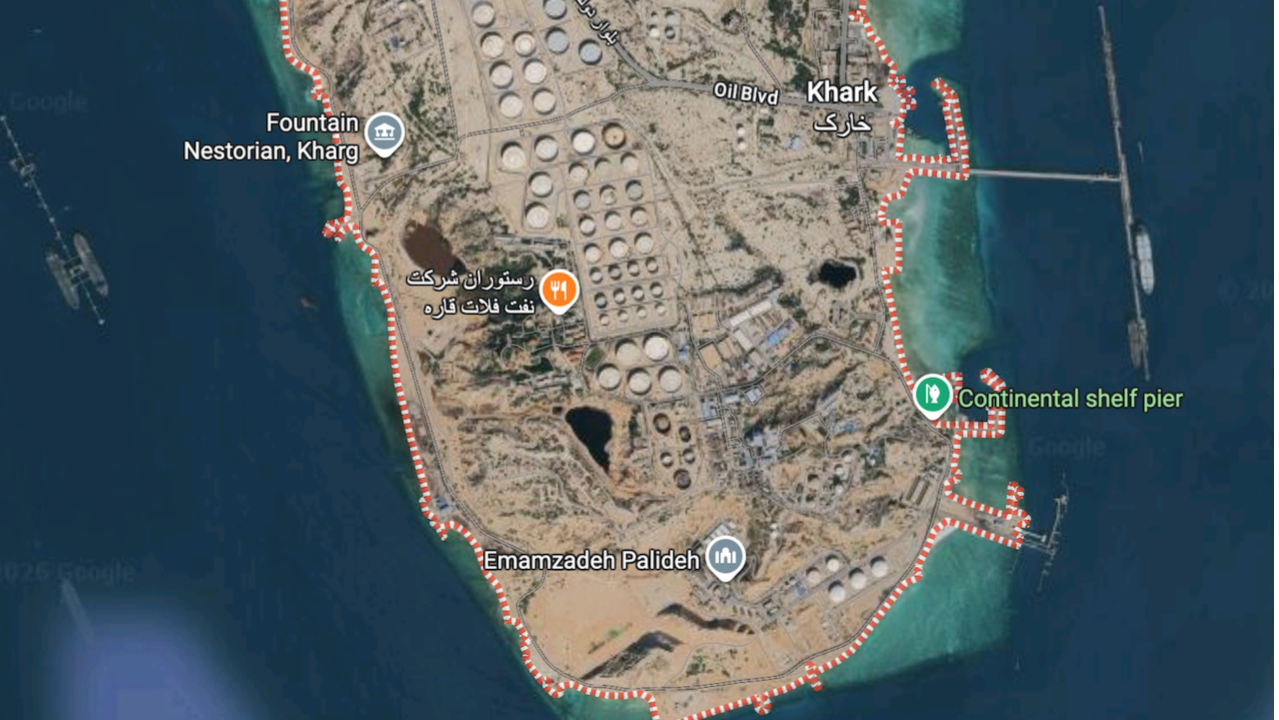
The incident occurred as the Belma was transiting international waters toward Iran’s Kharg Island crude oil terminal. Central Command said the commercial vessel “ignored multiple warnings as it attempted to violate the U.S. blockade.” A U.S. aircraft disabled the ship by firing Hellfire missiles into its smokestack, and the vessel “is no longer transiting to Iran.”

Blockade and Military Escalation

The United States deployed a blockade of Iranian ports and coastal areas on July 14, amid an exchange of heightened attacks after a ceasefire between Washington and Tehran fell apart. In addition to the Belma incident, the U.S. said it has also redirected two compliant commercial vessels in that time.

Key Fact Detail
Vessel name M/T Belma
Flag state Curacao
Destination Kharg Island, Iran oil terminal
Date of incident July 16, 2026
U.S. action Hellfire missiles into smokestack; vessel disabled
Blockade start date July 14, 2026
Redirected vessels Two compliant commercial ships

Impact on Oil Supply and Shipping Lanes

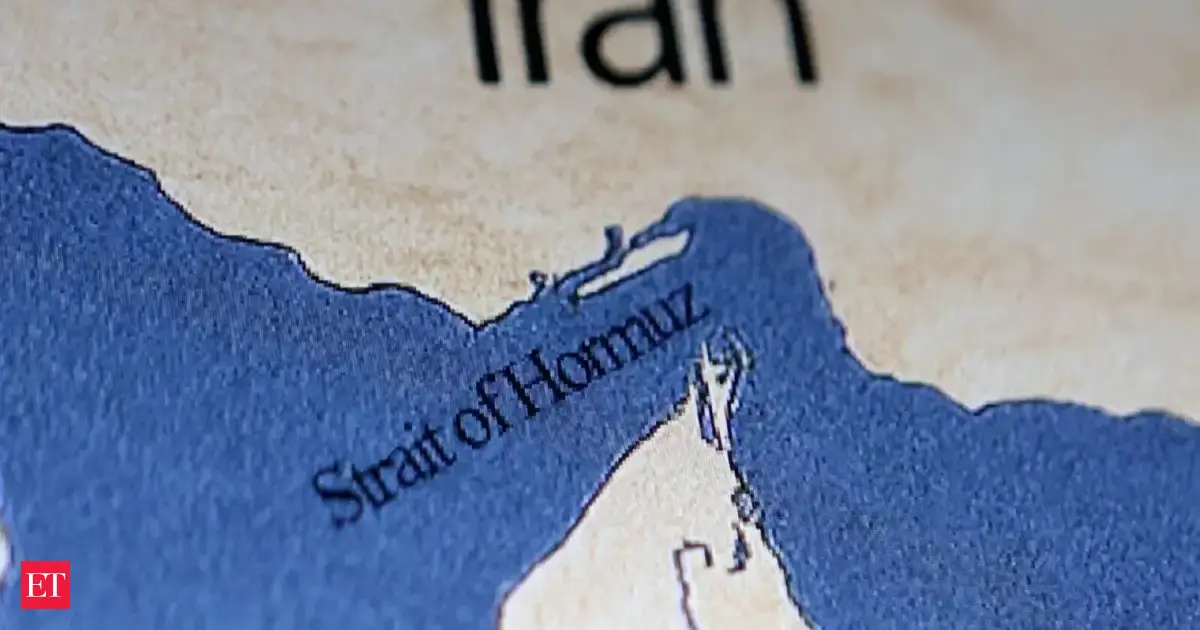
The Strait of Hormuz, a critical chokepoint for global oil shipments, is experiencing a “steady but reduced stream of commercial ships” transiting the waterway, according to the Joint Maritime Information Center. Crude oil futures have stabilized around $78 per barrel despite the disruption.

For ocean carriers and tanker operators, the blockade and military engagement introduce immediate risks on the Arabian Gulf–Iran lane. The threat of further military action may deter non-compliant vessels from approaching Iranian destinations, potentially shifting cargo toward alternative ports or reducing spot market supply for oil shipments.

Operational Implications for Carriers and Shippers

  • Tanker operators: Vessels flagged to nations with close ties to the U.S. or subject to sanctions face heightened scrutiny and risk of interception. The Belma's Curacao flag may prompt other flag states to review their compliance protocols.
  • Freight forwarders and shippers: Any cargo with destination or origin at Iranian ports is effectively blocked. Overland routes through neighboring countries may face secondary sanctions or insurance difficulties.
  • Insurance premiums: While not quantified in the report, the use of live fire against a merchant vessel will likely increase war risk premiums for all vessels transiting the Arabian Gulf and Strait of Hormuz.
  • Alternative routing: Some cargo may shift to ports on the eastern Mediterranean or Red Sea, though transit times and costs will rise. The two redirected vessels suggest the U.S. is enforcing compliance broadly.

Freight operators should prepare for extended delays in the Arabian Gulf region. The blockade, now in its third day, shows no sign of easing. The stabilization of crude oil futures at $78 suggests markets are pricing in a sustained but not catastrophic interruption, though any further escalation could trigger sharp rate increases on tanker time charter and spot markets.

Watch list: Any statement from Iran’s government on retaliation; further U.S. interdictions near the Strait of Hormuz; changes in war risk insurance premiums for the region; and potential rerouting of container ships that normally traverse the Suez Canal–Red Sea–Arabian Gulf route.


Sources: FreightWaves

Keep Reading

Recommended Stories

Strait of Hormuz Operations at Risk as Iran-Oman Toll Plan Threatens Global Oil and LNG Flows Logistics

Strait of Hormuz Operations at Risk as Iran-Oman Toll Plan Threatens Global Oil and LNG Flows

Iran and Oman are considering charging ships for transit through the Strait of Hormuz, a vital chokepoint for about one-fifth of global oil and LNG trade. The move follows a months-long blockade triggered by conflict, and despite a June 17 MoU that reopened the strait, attacks on vessels continue. The legal status of such tolls is disputed, with the US warning of 'total chaos'.

June 30, 2026
Strait of Hormuz Security Collapses as US and Iran Trade Fresh Military Strikes Logistics

Strait of Hormuz Security Collapses as US and Iran Trade Fresh Military Strikes

The 14-point ceasefire for the Strait of Hormuz collapsed over the weekend as US and Iranian forces exchanged strikes following drone attacks on two commercial vessels. The Panama-flagged tanker Kiku and containership Ever Lovely were hit, with Iran threatening stricter routing enforcement. Oman has proposed an alternative corridor, but shipping through the strait is unlikely to return to pre-conflict arrangements.

June 29, 2026
US and Iran Trade Fire as Tensions Rise Over Strait of Hormuz Trade

US and Iran Trade Fire as Tensions Rise Over Strait of Hormuz

The US launched a new attack on Iran on Sunday evening, killing one person, according to Iranian state media. Iran's Islamic Revolutionary Guard Corps (IRGC) responded by striking US military bases in Kuwait, Jordan, and Bahrain. The Strait of Hormuz remains at the center of conflicting claims—Iran says it is closed, the US insists it is open. Oil prices jumped 4.3% in Asia on Monday, with Brent crude at $79.26 a barrel.

July 13, 2026
US revokes Iranian oil sanctions waiver after three tankers hit in Strait of Hormuz Trade

US revokes Iranian oil sanctions waiver after three tankers hit in Strait of Hormuz

The United States revoked a sanctions waiver allowing Iranian oil sales after three tankers were hit by projectiles in the Strait of Hormuz. The license, issued under an interim US-Iran agreement, was lifted due to Tehran's 'unacceptable' actions. Iran condemned the move as a breach of the deal.

July 8, 2026