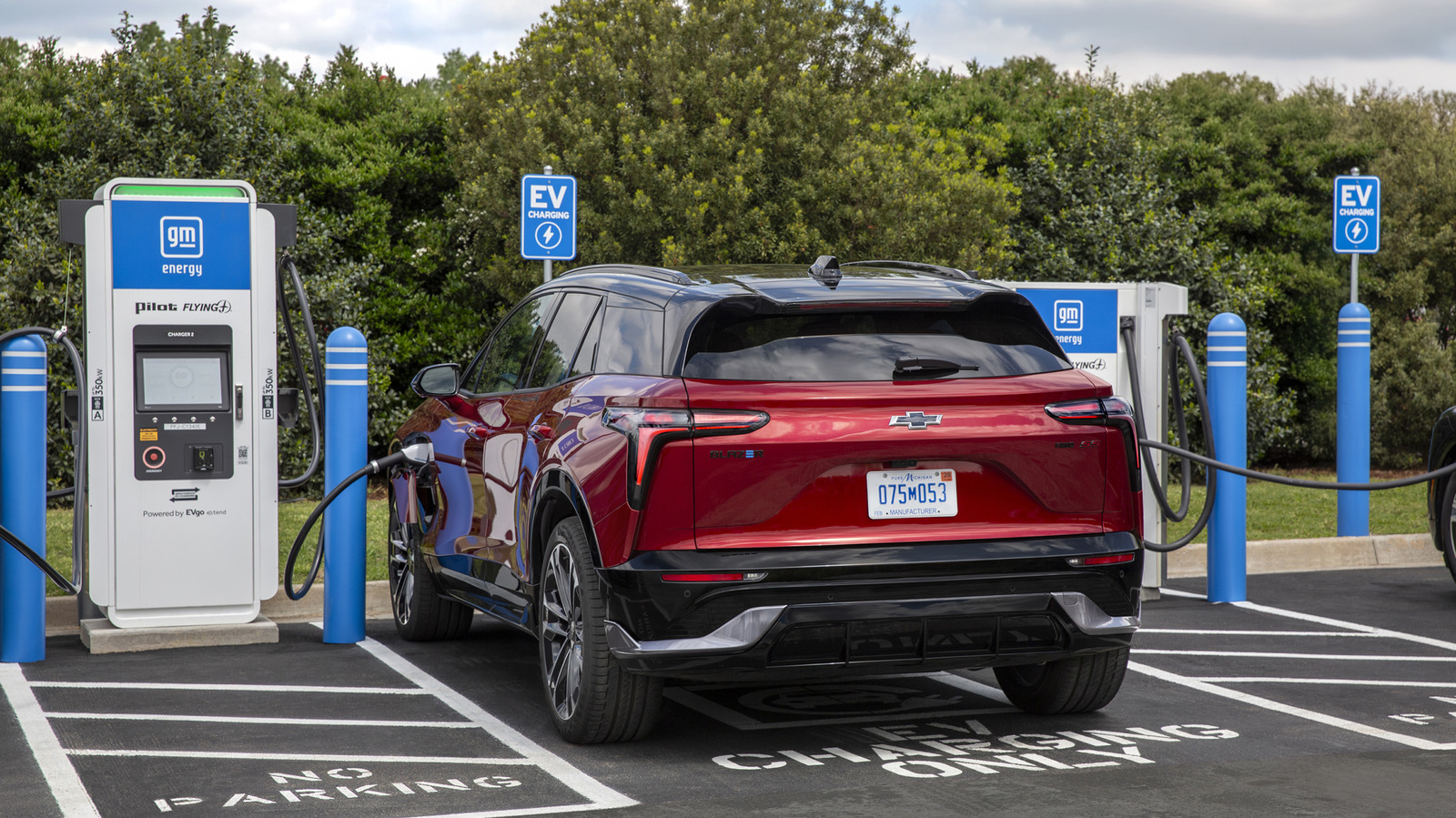
General Motors (GM) is transforming the role of electric vehicles (EVs) by enabling them to power homes and even contribute to the electrical grid. 250,000 GM electric vehicles currently on the road in the US have the capability to charge other devices, including homes and the grid, thanks to a recent software update. This technology, known as bidirectional charging, positions GM ahead of its US competitors in the battery-electric vehicle market.
The Potential of Bidirectional Charging
Bidirectional charging allows EVs to not only power homes during outages but also support the grid during high demand periods. This capability enables car owners to charge their vehicles when electricity prices are low and sell back to the grid when prices are high, potentially generating income. Sterling Anderson, GM's chief product officer, emphasized the potential of turning every GM EV into a distributed power resource.
Challenges and Investments
Despite the promising technology, there are significant hurdles. To utilize their cars for home power, drivers must invest in a $20,000 system from GM Energy, which requires professional installation. Additionally, local utilities must approve the equipment and establish programs to compensate car owners for grid contributions. Wade Scheffer, GM Energy’s vice president, highlighted the need for increased awareness among consumers.
Partnerships and Future Plans
To advance this initiative, GM Energy announced partnerships with utilities like DTE Energy in Michigan and PG&E in Northern California. These collaborations aim to test and expand bidirectional charging capabilities. The goal is to integrate 52,000 GM EVs into PG&E’s grid by 2030. However, the adoption of this technology is still in its infancy, with only a few thousand GM Energy customers currently utilizing it.
Comparative Data
| Feature | GM EVs | US Competitors |
|---|---|---|
| Bidirectional Charging Capability | 250,000 vehicles | Significantly fewer |
| Required Investment | $20,000 system | Not specified |
| Utility Partnerships | Multiple, including DTE Energy and PG&E | Limited |
The Road Ahead
The path to widespread adoption of vehicle-to-grid technology is complex, with varying levels of enthusiasm across states. Early adopter states are more receptive, but the technology is still developing. Scott Samuelsen from UC Irvine noted the early stage of this technology, despite ongoing projects with companies like Kia and Hyundai.
GM is committed to ensuring that customers maintain control over their vehicles' energy contributions, preventing scenarios where cars are left without charge when needed. The company sees this as a unique opportunity to redefine the interaction between drivers and their vehicles, turning them into more than just transportation.
Wade Scheffer expressed optimism about the potential to reshape how drivers interact with their vehicles, emphasizing the transformative nature of this technology.
Sources: