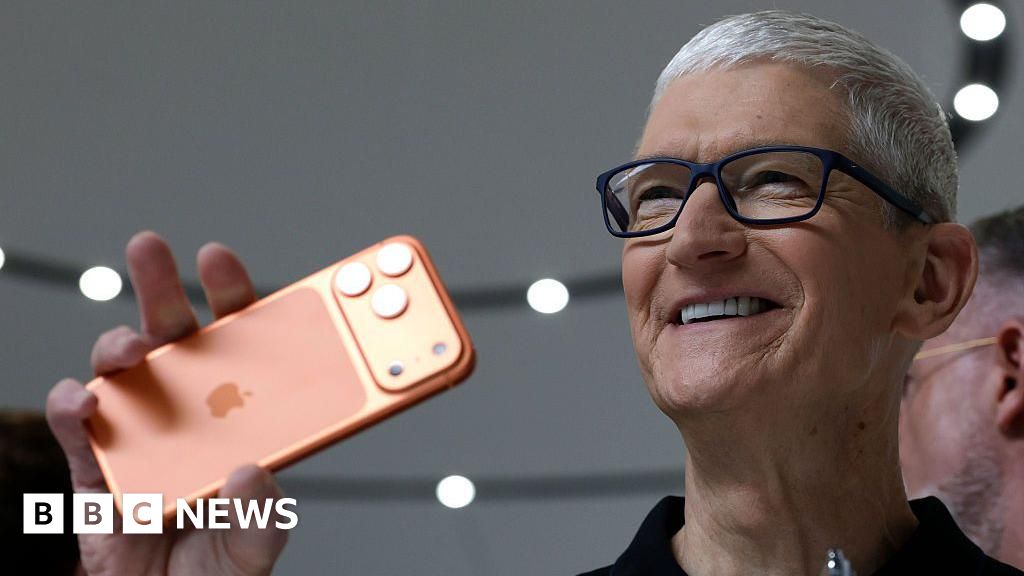
Apple is preparing to raise prices across its product lineup as the cost of memory chips has surged to unsustainable levels, according to outgoing CEO Tim Cook in an interview with The Wall Street Journal (WSJ). Cook described the situation as "unavoidable" and noted that the company has tried to shield customers but can no longer absorb the increases.
Memory Chip Costs Pressure Apple's Supply Chain
Cook said price increases are "unavoidable" because the situation around memory chips has become "unsustainable." He did not specify which products would be affected or when prices would rise, nor whether the upcoming iPhone 18 — expected to launch in September — would carry higher price tags. Memory chips are essential components in smart devices like mobile phones, and their prices have been driven up by the boom in artificial intelligence (AI).
Key cost drivers for memory chips:
| Driver | Description |
|---|---|
| AI demand | Rapid growth in AI data centers has increased demand for memory, reducing supply for consumer electronics |
| Helium supply disruption | The war in Iran has disrupted global helium supplies — a gas critical for semiconductor manufacturing — adding to chip costs |
| Supplier pricing | Memory chip suppliers are passing along "huge price increases" to Apple, according to Cook |
"We're doing our best to mitigate the huge increases that are being passed to us, and we've been trying to shield our customers from the increases, but the situation has become unsustainable." — Tim Cook, Apple CEO, to The Wall Street Journal
Geopolitical Factors Add to Semiconductor Costs
In addition to rising AI demand, the war in Iran has disrupted the global supply of helium, a crucial gas in making semiconductors, according to the BBC report. This adds another layer of cost pressure to an already strained supply chain for memory chips. Cook noted that memory pricing and supply must return to "reasonable levels" for consumer products, emphasizing the severity of the disruption.
Apple's Sales Growth and Pricing Response
Despite the cost pressures, Apple reported strong sales growth. Sales of Apple devices grew 17% in the first three months of 2026 compared to the same period a year ago, boosted by robust demand in China. The iPhone 17 lineup, launched in September 2025, has been popular.
Earlier this year, Apple raised the price of its Mac Mini compact computers by about $200 (£150), a move that foreshadowed the broader price increases Cook now indicates are coming. Cook, who is due to be replaced by John Ternus as Apple CEO in September after 15 years in the role, said: "There's less supply at a time when consumers want devices and the memory guys are passing along huge price increases."
Implications for Manufacturing and Procurement
For industrial executives and sourcing teams, Apple's announcement signals that memory chip cost inflation is rippling through the consumer electronics supply chain. Procurement managers should anticipate similar pressures from memory suppliers and consider dual-sourcing strategies, inventory buffers, or long-term pricing agreements. The helium supply disruption linked to the Iran conflict may also affect semiconductor fabrication timelines, potentially impacting lead times for electronic components beyond memory chips. Apple's ability to pass costs to consumers — despite a 17% revenue increase — suggests that even the largest OEMs face margin compression from component cost spikes.
Sources: