India has become the world's second-largest mobile phone manufacturer and exporter, Prime Minister Narendra Modi said on Saturday, underscoring the country's decade-long push to build a self-sufficient electronics ecosystem. The announcement, covered by Business Today, came after Modi inaugurated the CG Semi Outsourced Semiconductor Assembly and Test (OSAT) facility, where he was presented with the first semiconductor chips manufactured at the plant — chips that will be exported to Japan.
Electronics Value Chain Expansion
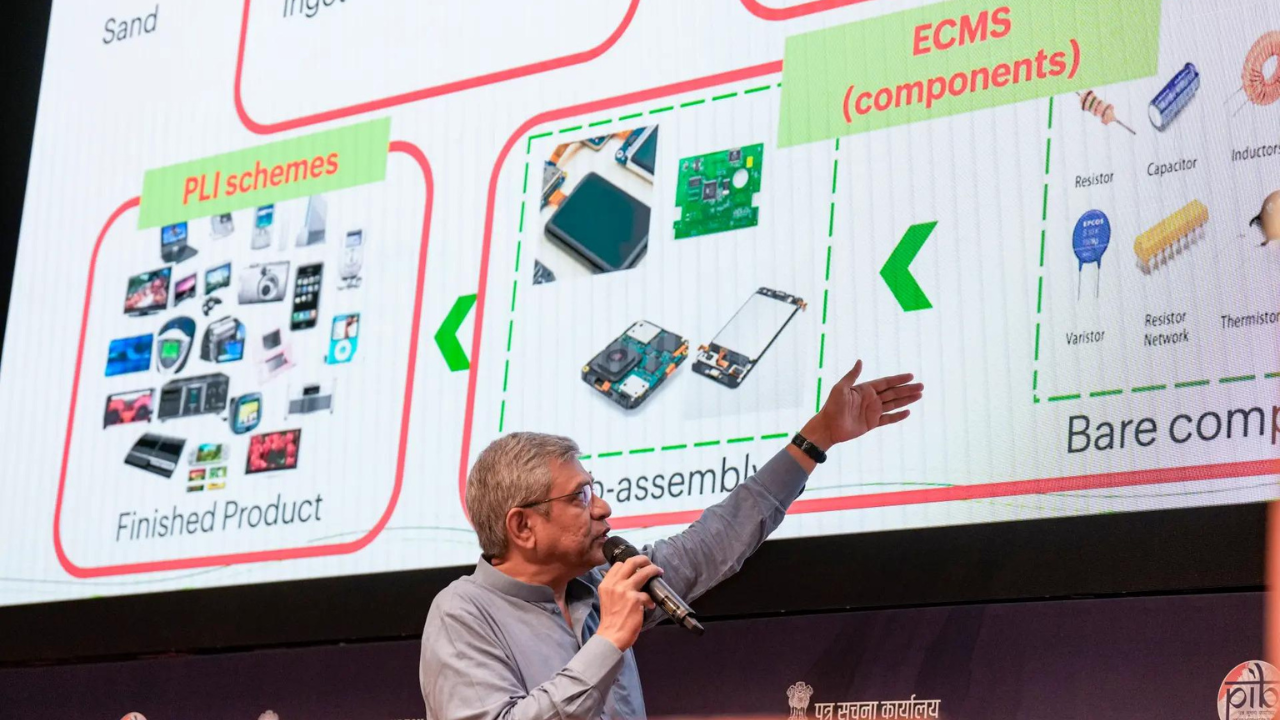
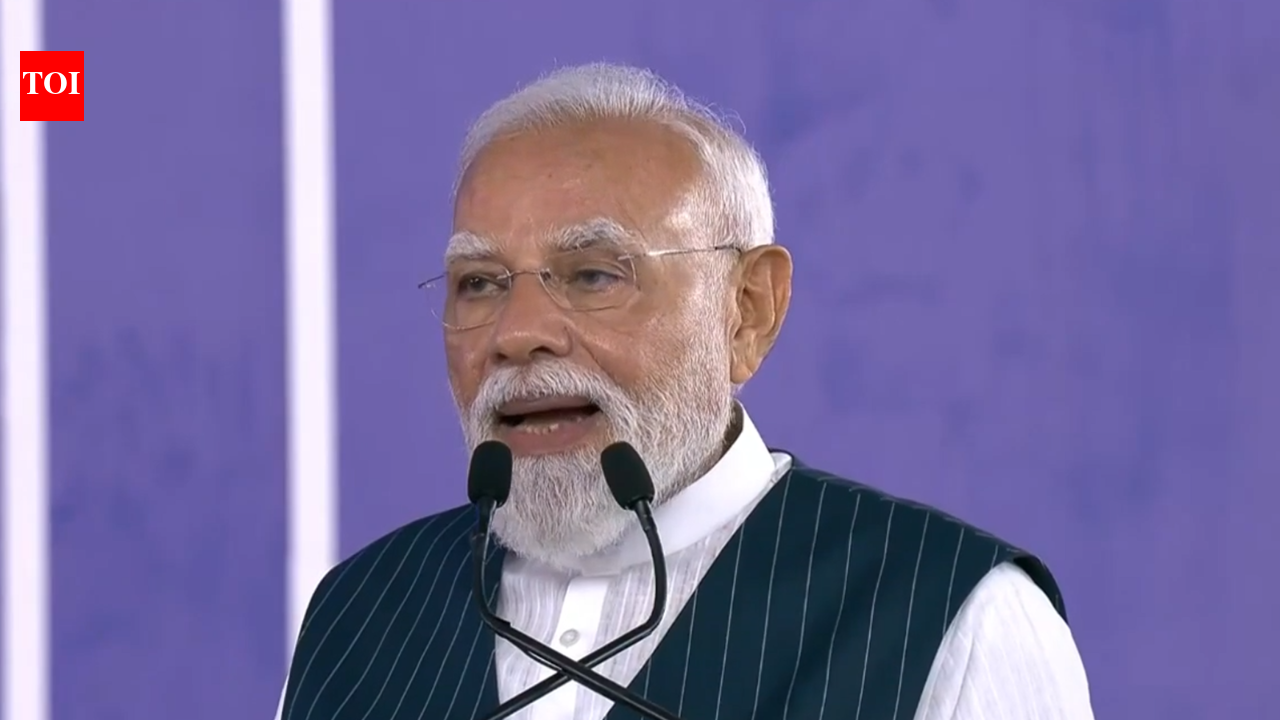
According to Business Today, PM Modi said that India is now building the entire electronics value chain — from products and components to semiconductors. 'First products, then components and now semiconductors....India is building the entire electronics value chain. This is the roadmap to Viksit Bharat. This is the next phase of Make in India,' he said. The prime minister emphasized that the government's goal is to create a complete semiconductor ecosystem spanning chip design, fabrication, and packaging.
The CG Semi OSAT facility represents a key step in that direction. Business Today reported that the first chips from the facility will be exported to Japan, marking India's entry into the global semiconductor supply chain. The expansion of the semiconductor industry 'did not happen overnight,' Modi said, but is the next step in the electronics revolution over the past decade.
Semicon India Programme Momentum
'The Semicon India programme is gathering rapid momentum... Step by step. Brick by brick. Chip by chip,' PM Modi said, as quoted by Business Today. He added that India's youth will drive the next wave of technological innovation. 'India's youth will power the AI, robotics and next-gen tech revolution with Made in India chips,' he said.
The Semicon India programme, which aims to boost domestic semiconductor manufacturing, is central to the government's strategy to reduce import dependence and position India as a hub for electronics production. The inauguration of the CG Semi OSAT facility is one of several initiatives under this programme.
Rajasthan Development Projects
Earlier in the day, PM Modi visited Rajasthan where he unveiled development projects worth approximately Rs 1.06 lakh crore. Business Today listed the key projects:
| Project | Description |
|---|---|
| New terminal building at Jodhpur Airport | Inaugurated |
| Modified UDAN scheme | Launched to enhance regional air connectivity |
| India's first greenfield integrated refinery-cum-petrochemical complex | Dedicated to the nation |
| Infrastructure projects in Balotra | Foundation stone laid and several projects inaugurated |
| Appointment letters to new government employees | Handed over to around 54,000 newly recruited Rajasthan government employees |
These projects collectively represent a significant investment in Rajasthan's infrastructure and industrial capacity, complementing the electronics manufacturing push.
Implications for Manufacturing Executives
For manufacturing executives, the development of a complete electronics value chain in India — from component fabrication to final assembly — signals a strategic shift in global supply chain dynamics. The combination of a large domestic market, government policies like Make in India and Semicon India, and the demonstrated ability to manufacture and export advanced semiconductor chips positions India as an increasingly viable alternative to traditional manufacturing hubs. As PM Modi stated, the roadmap to a developed India (Viksit Bharat) is being built chip by chip, and the country's youth are expected to power the AI and robotics revolution with domestically produced chips. Industry leaders should monitor India's capacity to scale semiconductor fabrication and packaging, as this will directly impact OEM sourcing decisions and factory automation investments in the region.
Sources: