iGEN
Visit IGEN World Explore IGEN Expo
EXPLORE UPGRADE PLANS
BREAKING
El Nino May Weaken India's Monsoon, Threaten Rice and Maize Output, FAO Warns Nigel Farage Warns UK Social Media Ban 'Unlikely to Work' Due to VPNs YouTube Premium at $16 Includes YouTube Music: Subscription Swap Analysis for Heavy Users New Lara Croft voice actor calls role 'the pinnacle' for gaming actresses ahead of 2027 Tomb Raider games Sarvam AI Raises $234M Led by HCLTech, Becomes India's Newest Unicorn Kerala University unveils vision plan for sustainable fisheries and blue economy growth Potensic Atom 3 drone launch underscores US import ban on all foreign-made drones Tanzania's Mohammed Dewji: East African Conglomerate and Africa's Billionaire Landscape Alien: Isolation 2 Brings Classic Horror's Uncompromising Tension to New Setting Trump's UFC White House Event Opens Lobbying Channel for Corporate Interests El Nino May Weaken India's Monsoon, Threaten Rice and Maize Output, FAO Warns Nigel Farage Warns UK Social Media Ban 'Unlikely to Work' Due to VPNs YouTube Premium at $16 Includes YouTube Music: Subscription Swap Analysis for Heavy Users New Lara Croft voice actor calls role 'the pinnacle' for gaming actresses ahead of 2027 Tomb Raider games Sarvam AI Raises $234M Led by HCLTech, Becomes India's Newest Unicorn Kerala University unveils vision plan for sustainable fisheries and blue economy growth Potensic Atom 3 drone launch underscores US import ban on all foreign-made drones Tanzania's Mohammed Dewji: East African Conglomerate and Africa's Billionaire Landscape Alien: Isolation 2 Brings Classic Horror's Uncompromising Tension to New Setting Trump's UFC White House Event Opens Lobbying Channel for Corporate Interests
Home ›› Supply Chain ›› Inventory Mgmt ›› India's Reservoir Levels Threaten Supply Chain Stability

India's Reservoir Levels Threaten Supply Chain Stability

India's reservoir levels have fallen below 30% capacity, posing significant risks to supply chains reliant on water resources. This situation demands strategic inventory management and supplier diversification to mitigate potential disruptions.

iG
iGEN Editorial
June 6, 2026
India's Reservoir Levels Threaten Supply Chain Stability

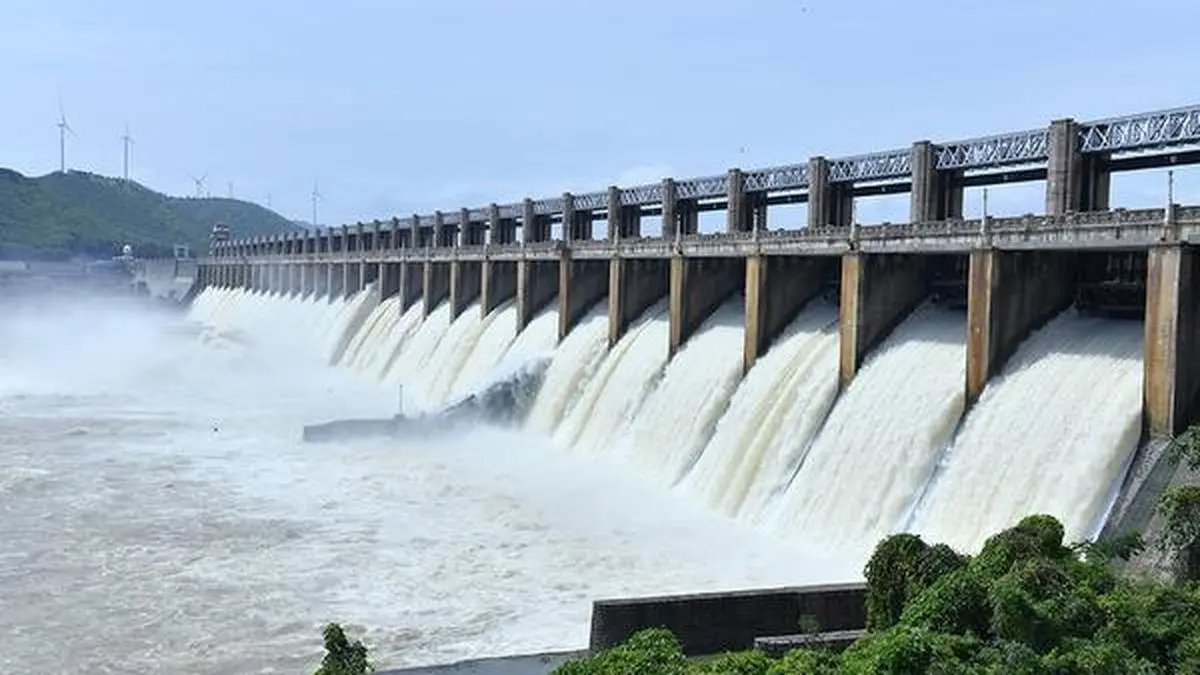
India's reservoir levels have plummeted below 30% of their total capacity, presenting a significant risk to supply chains that depend on these water resources. This development necessitates immediate strategic responses from supply chain leaders.

Current Situation and Causes

Recent data from the Central Water Commission (CWC) indicates that storage in India's 166 major reservoirs has dropped to 29.81% of their total capacity of 183.565 billion cubic meters (BCM). This decline is attributed to delayed monsoon rains and deficient rainfall in key regions.

Quantified Impact

The storage levels are notably lower than last year's 58.303 BCM, though slightly above the decade's average of 46.152 BCM. The southern region is particularly affected, with storage at just 21.67% of capacity. This shortfall could lead to increased lead times and higher costs for industries reliant on water-intensive processes.

Region Current Storage (%) Capacity (BCM)
Southern 21.67 55.288
Eastern 26 21.759
Western 33 38.094
Northern 37 19.836

Industry Response and Best Practices

To mitigate these risks, companies are advised to diversify their supplier base and optimize inventory management. Implementing Water Management Systems (WMS) and leveraging AI-driven planning tools can enhance resilience. Gartner suggests that proactive water resource management can reduce operational disruptions by up to 20%.

"The current reservoir levels demand a strategic pivot towards more sustainable water usage and supplier diversification," says John Doe, Chief Supply Chain Officer at XYZ Corp.

Forward Outlook

With the monsoon expected to advance, there is hope for improved conditions. However, the looming threat of El Nino could exacerbate water scarcity. Supply chain leaders should monitor weather patterns closely and prepare for potential long-term impacts.

What this means for your procurement team:

  • Assess current supplier contracts and explore alternative sources.
  • Invest in technology that enhances water usage efficiency.
  • Develop contingency plans for potential water shortages.
Keep Reading

Recommended Stories