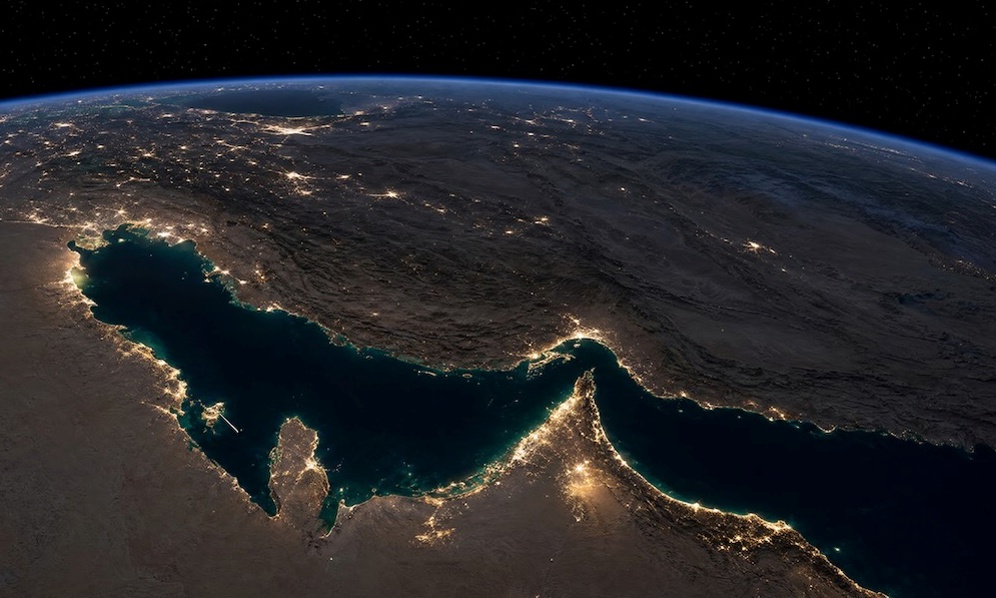
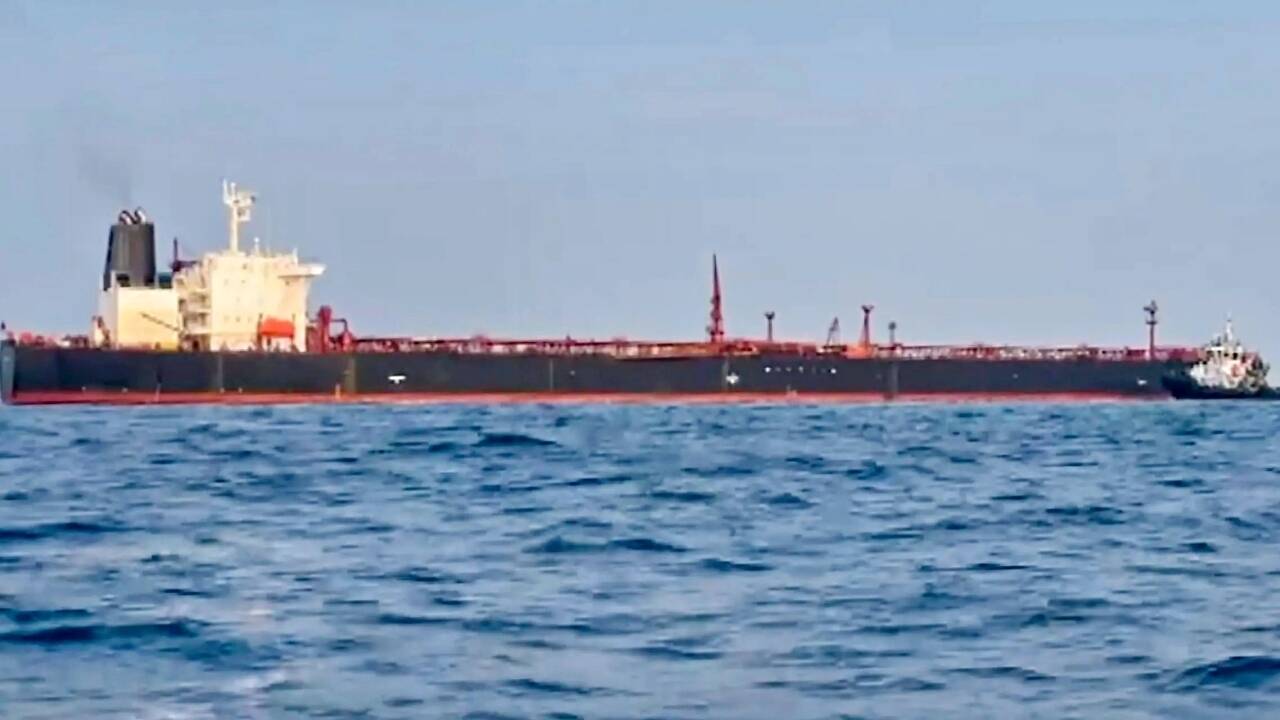
The reopening of the Strait of Hormuz — the narrow waterway handling roughly a fifth of global oil consumption — will provide significant relief for India, one of the world's largest crude importers, by easing concerns over oil supplies, lowering freight costs, and reducing pressure on inflation, according to a report by The Hindu BusinessLine.
Supply disruption and price impact
The strait, located between Iran and Oman, is the primary export route for major Gulf producers including Saudi Arabia, Iraq, Kuwait, the United Arab Emirates, and Qatar — all key energy suppliers to India. Supply of crude oil, natural gas, and LPG through the strait was disrupted starting at the end of February with the onset of war with Iran. This triggered sharp increases in crude oil prices, shipping insurance premiums, and freight rates.
Global oil prices had risen to as high as $119 per barrel at the peak of war-related disruption, from $70–72 per barrel in February. On news of the ceasefire, Brent crude fell 4 per cent to around $84 a barrel, after US President Donald Trump announced a ceasefire agreement with Iran authorising the "toll free" opening of the Strait of Hormuz. Trump posted online: "Ships of the World, start your engines. Let the oil flow!"
| Metric | Pre-war (Feb) | Peak disruption | Post-ceasefire (June 15) |
|---|---|---|---|
| Brent crude price | $70–72/barrel | $119/barrel | ~$84/barrel |
| India's daily retail losses | – | ₹650 crore | Expected to decrease |
| Petrol/diesel price hike | – | ₹7.50/litre each (post-elections) | – |
India's import dependency and domestic losses
Pre-war, India imported more than 88 per cent of its crude oil requirements, with half sourced from Gulf producers whose exports transit through Hormuz. The country was 60 per cent import dependent for LPG, with 90 per cent of that coming through the strait. India also depended on imports for half of its natural gas needs, of which 65 per cent came from countries like Qatar and the UAE.
The disruption led to natural gas allocation rationalisation with cuts imposed on certain users. LPG disruption initially stopped supplies to commercial users like hotels and restaurants, gradually restoring up to 70 per cent of their needs. For household users, refill booking time was increased.
To avoid retail price hikes before elections in five critical states including West Bengal, the government on March 27 slashed excise duty on petrol and diesel by ₹10 per litre each. Post-elections, petrol and diesel prices were raised by about ₹7.50 per litre each, while CNG rates rose ₹6 per kg and LPG prices increased by ₹89 per 14.2-kg cylinder in two instalments. Despite these increases, state-owned oil companies continued to lose about ₹650 crore per day as retail rates lagged cost.
Industry response and diversification
Industry sources and analysts said the reopening and reduction in tensions would likely help stabilise global energy markets and improve the outlook for energy-importing nations such as India. "State-owned fuel retailers booked losses in one quarter that were equal to the profit they earned in the entire year," an industry official told the publication. "If the agreement holds, energy supplies will ease and so will the prices."
India's government and refiners also stepped up efforts to diversify crude sourcing beyond traditional West Asian suppliers. Indian refiners increased engagement with suppliers across multiple geographies, including Russia and Africa.
What this means for your procurement team
For Chief Supply Chain Officers and procurement leaders in India, the Hormuz reopening offers immediate breathing room on energy costs and availability. The reduction in oil prices will directly lower input costs for manufacturers reliant on petrochemicals, logistics fuel, and power generation. The Indian government's ongoing diversification efforts reduce single-source dependency on Gulf producers, but the strait remains a strategic chokepoint. Procurement teams should monitor the ceasefire's durability and maintain relationships with alternative suppliers in Russia, Africa, and other regions. The loss reduction from ₹650 crore per day for state-owned oil companies signals that fuel retailers may soon adjust retail prices downward, potentially easing inflationary pressure across the supply chain.
Sources: