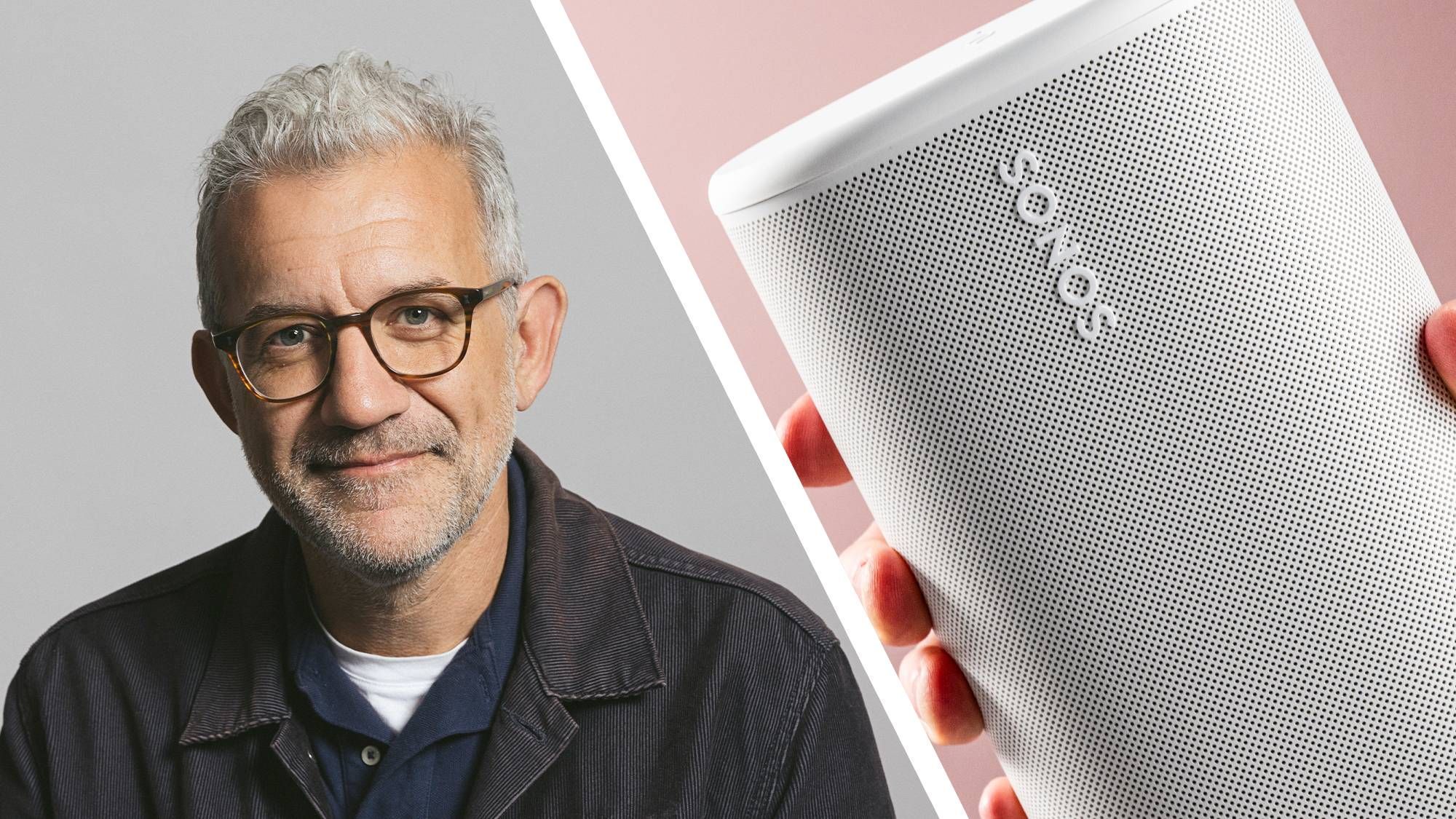
For technology decision-makers concerned about digital wellness in the workplace and at home, a new category of hardware-software hybrid is emerging. The Halo device, reviewed by WIRED's Jill Duffy, offers a simple but effective trigger: place the $49 puck in your bedroom, and it geofences that area, blocking designated apps on your phone when you enter. The goal is to stop mindless scrolling that interferes with sleep.
How Halo Works
According to WIRED, Halo is a small white puck that communicates with the ScreenZen app via Bluetooth. The app, which is free with no upsells or subscription, lets users create a geofence—or 'halo'—around any space. The radius is adjustable, so it works for small and large bedrooms alike. Users can set blocking to run 24/7 or only during specific hours, and can choose which apps to block or allow. Remarkably, disabling Bluetooth does not affect Halo's blocking; the easiest way to bypass it is to physically leave the room. "If you do that, well, then you're not passively scrolling. You're taking action and making a choice," Duffy wrote.
The device can even work across multiple rooms, as long as walls are not solid concrete. One YouTuber placed a Halo in his car.
Comparison with Other App Blockers
Duffy tested Halo against other app blockers including Brick, Unpluq Tag, and Opal. She found that those earlier blockers either did not match her lifestyle or were too easy to defeat. She also noted that their costs are "not trivial," particularly when they require an annual subscription fee. In contrast, Halo costs a one-time $49 and the ScreenZen app is free forever.
Here is a quick comparison based on the WIRED review:
| Product | One-Time Cost | Subscription Required | Mechanism |
|---|---|---|---|
| Halo | $49 | No | Geofence via Bluetooth |
| Brick | Not specified | No (tap to unblock) | Physical tap to allow |
| Unpluq Tag | Not specified | Likely | Tap phone to tag |
| Opal | Not specified | Yes (annual) | Timed blocking |
Note: Prices and subscription details for competitors were not fully disclosed in the WIRED article.
Design and Mindset Shift
Duffy emphasized that Halo's marketing angle is part of its brilliance: it specifically targets the problem of bedtime scrolling. "Blocking apps in the bedroom when you should be sleeping (or doing other bedroom activities) gets at a specific problem people have when it comes to exercising temperance with their devices," she wrote. The app also shows a "current streak" of successful blocking, which adds a motivational layer.
Practical Implications for Enterprise Technology Leaders
While Halo is a consumer device, its geofencing approach could inspire enterprise digital wellness initiatives. For organizations looking to reduce screen dependency among employees or enforce device-free zones in meeting rooms, the concept is easily transferable. The technology stack—Bluetooth beacon, geofence, and a free app—is low-cost and scalable. However, WIRED noted that Halo's geofence may not work through solid concrete walls, limiting use in some office environments.
For now, the $49 price point and lack of subscription make Halo an attractive experiment for tech leaders who want to reclaim their own sleep. "My expectations were low," Duffy admitted, "but Halo is different, not only in how it works but also how it framed my mindset."
Sources: