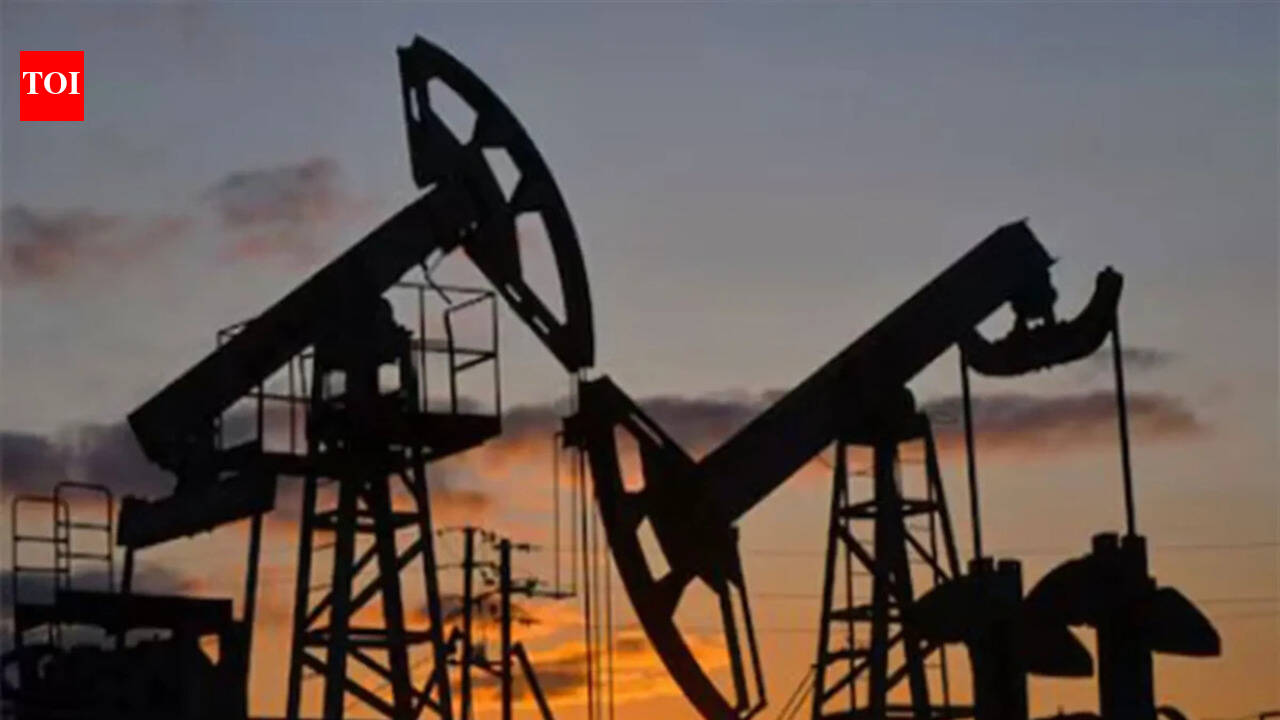
The European Union is evaluating a temporary halt to its price cap on Russian oil as the conflict in the Middle East, particularly the Iran war, continues to escalate. This potential freeze comes as oil prices surge due to the effective closure of the Strait of Hormuz.
Current Price Cap Mechanism
The EU's current mechanism automatically sets the price cap every six months at 15% below the average market rate for Russian Urals crude. The existing threshold is $44.10 per barrel, with a review due in July. The anticipated review could see the cap rise to $65, surpassing the previous $60 threshold set by the Group of Seven.
Potential Policy Adjustments
- Freeze the current cap at $44.10 per barrel.
- Suspend automatic increases until year-end.
- Align with G7 by capping any rise to $60.
"The EU aims to finalize and formally propose a package of new measures in early June," sources indicate.
Additional Sanctions Considerations
The EU's 21st sanctions package since Russia's invasion of Ukraine in 2022 may include:
- Targeting more banks, oil traders, and refineries.
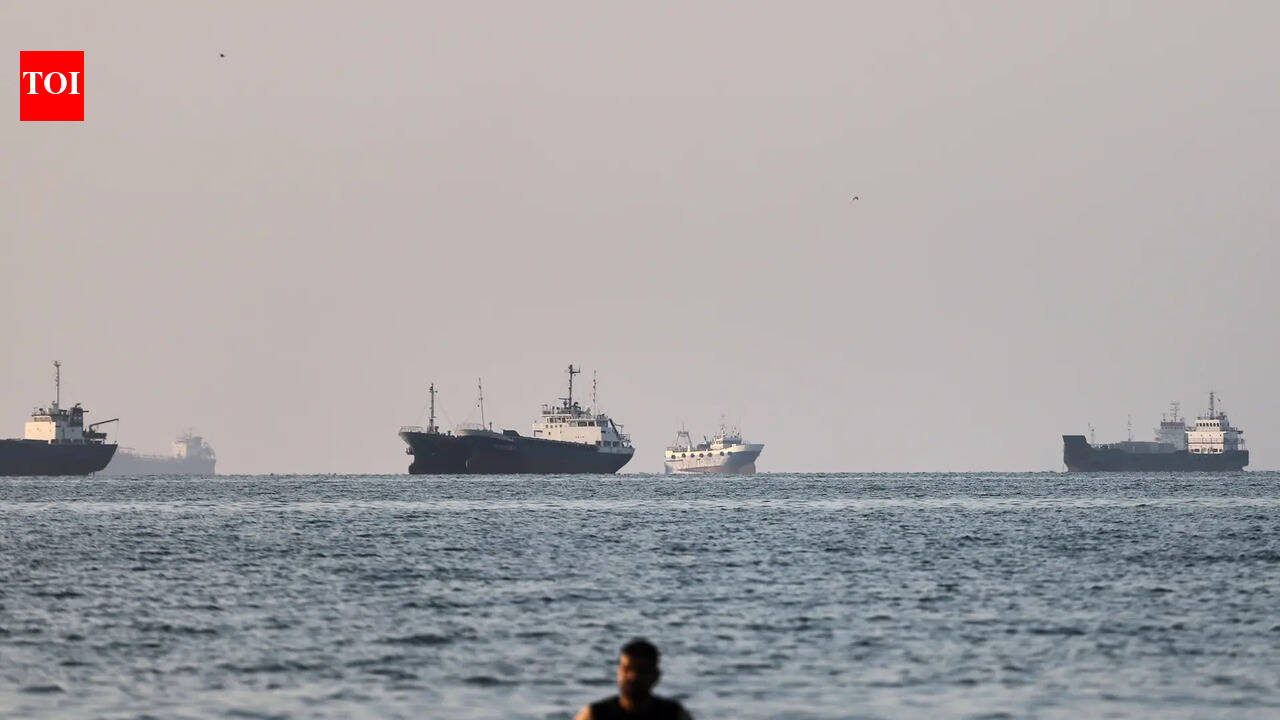
- Sanctioning approximately 20 additional tankers in Russia's covert fleet.
- Extending sanctions to ships carrying liquefied natural gas.
| Measure | Current Status | Proposed Change |
|---|---|---|
| Price Cap | $44.10/barrel | Potential freeze or increase to $65 |
| Sanctioned Vessels | Hundreds | Additional 20 tankers |
Strategic Goals
The primary objectives of the new sanctions package are to further restrict Russia's energy revenues and financial sector, while also limiting its military industry's access to essential supplies. However, full maritime service bans remain unlikely due to opposition from several member states and the need for G7 backing.
The EU's decision on the price cap and additional sanctions will significantly impact international trade dynamics, particularly for importers and exporters dealing with Russian oil.