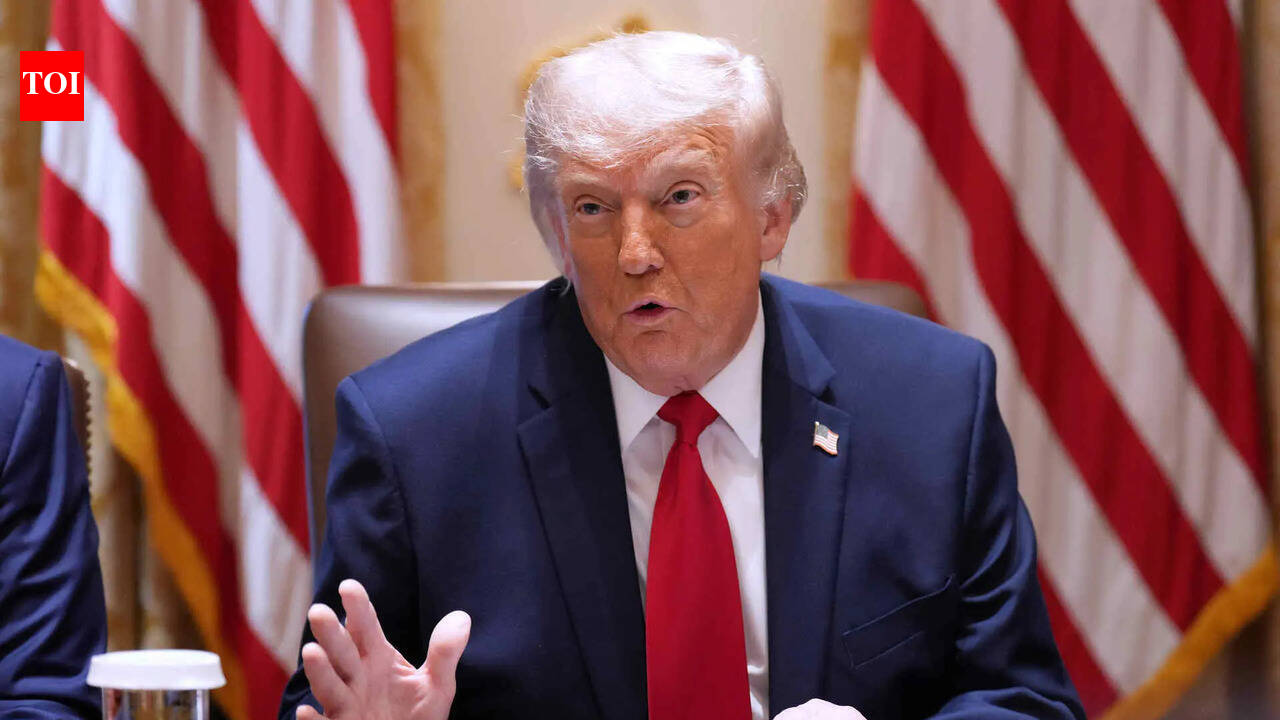
President Donald Trump has signed a proclamation amending tariffs on copper, aluminum, and iron imports, a move aimed at bolstering the US manufacturing industry. The changes, announced by the White House, are set to last until December 31, 2027.
Tariff Adjustments
The proclamation includes several key changes:
- Agricultural equipment tariffs have been reduced from 25% to 15%.
- Mobile industrial equipment, such as bulldozers and forklifts, will now face a 15% tariff when imported from countries with trade agreements that allow such treatment.
- Foreign companies can qualify for a 10% tariff if their capital equipment comprises at least 85% US melted and poured or smelted and cast steel or aluminum by weight.
"These changes are designed to spur near-term investments that will rebuild the Nation’s industrial base," the White House stated.
Impact on Trade
The revised tariffs are expected to impact trade volumes significantly. By lowering tariffs on specific equipment, the US aims to make its manufacturing sector more competitive globally.
| Product Category | Previous Tariff | New Tariff |
|---|---|---|
| Agricultural Equipment | 25% | 15% |
| Mobile Industrial Equipment | N/A | 15% |
| Capital Equipment | N/A | 10% |
Strategic Goals
The tariff adjustments are part of a broader strategy to enhance the US industrial base. By incentivizing the use of US-sourced materials, the administration seeks to strengthen domestic production capabilities.
Future Outlook
The changes are set to remain in effect until the end of 2027, providing a window for manufacturers to adjust their supply chains and investment strategies accordingly. Analysts will be watching closely to see how these adjustments influence trade dynamics and industrial growth.
The move underscores the administration's commitment to revitalizing the US manufacturing sector through strategic trade policy adjustments.