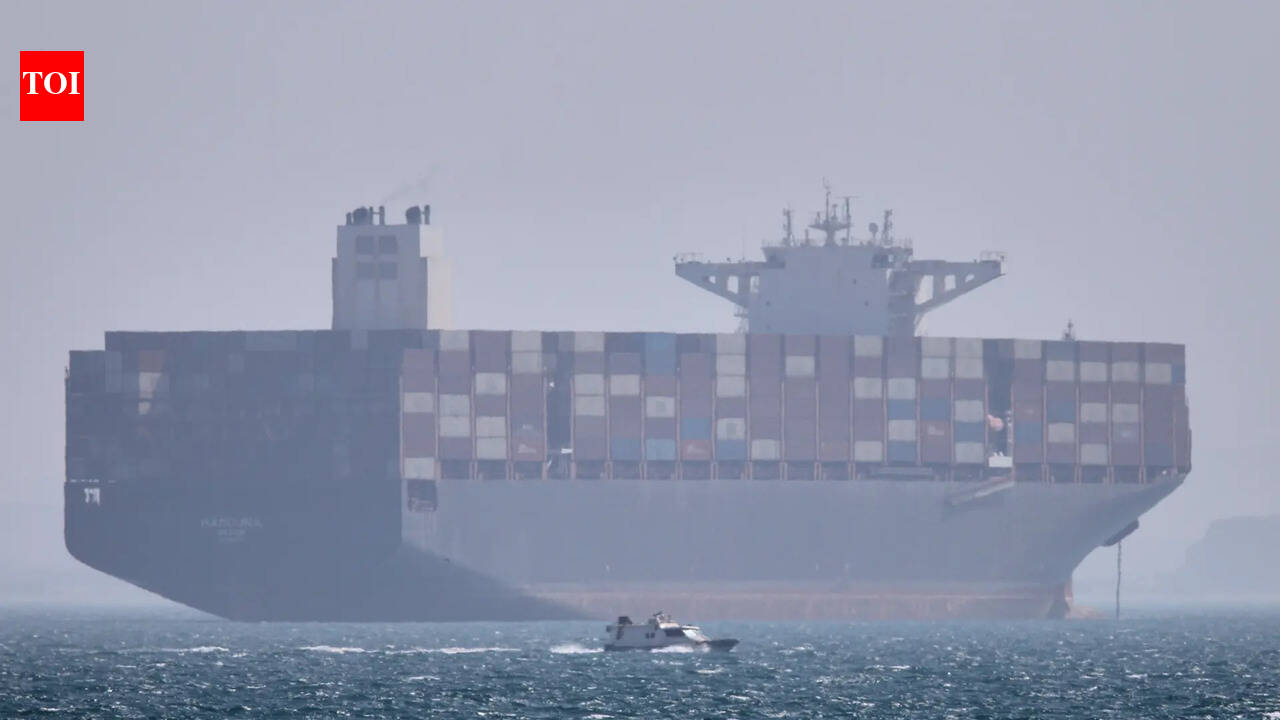
Fertiliser availability and prices may take another three to four months to return to normal despite a tentative US-Iran peace agreement and the expected reopening of the Strait of Hormuz, industry executives said, as reported by ET.
Ammonia prices seen stabilising within 1–2 months
Industry executives said ammonia prices, a crucial input for di-ammonium phosphate (DAP) production, could stabilise within one to two months after gas plants in Qatar return to normal operations. Imported ammonia is already available in the domestic market, according to the report.
Sulphur prices remain elevated; may rise further
Sulphur prices are expected to remain elevated for a longer period. Sulphur, a key raw material for DAP and a by-product of petroleum refining, has surged to record levels due to supply disruptions in West Asia and strong industrial demand. Wholesale sulphur prices are currently between $815 and $1,200 per metric tonne, industry executives told ET. Executives warned that sulphur prices could rise further before easing towards December.
| Factor | Detail |
|---|---|
| Ammonia stabilisation | 1–2 months after Qatar gas plants return |
| Sulphur price range | $815–$1,200/tonne (current wholesale) |
| India DAP supplies | Under pressure due to sulphur shortage |
| India urea stocks | Adequate for ongoing kharif season |
| Strait of Hormuz reopening | Expected within 30 days after deal signed |
India’s fertiliser stocks: adequate urea, DAP under pressure
India has adequate urea stocks for the ongoing kharif season, but DAP supplies continue to face pressure because of the global sulphur shortage, the report noted.
Shipping and logistics: delays persist despite Hormuz reopening
Industry executives pointed to lingering logistical challenges despite the expected reopening of the Strait of Hormuz. Several vessels carrying urea and DAP to India were stranded during the crisis. Refineries and gas-processing facilities will require safety inspections, maintenance checks, staff mobilisation and stable logistics before returning to full capacity.
"Reopening a shipping lane does not instantly clear stranded cargo. There will be a queue of vessels, port congestion, delayed berthing, inspection delays and insurance approvals," a senior industry executive said, as cited by ET.
Shipping companies are also expected to remain cautious before fully restoring operations through the strategic waterway.
US-Iran agreement paves way for Strait reopening
The concerns come even as a tentative agreement between the United States and Iran is expected to pave the way for the reopening of the Strait of Hormuz, a vital global energy route. Leaked versions of the interim agreement indicate that Iran would take immediate steps to reopen the strait once the deal is formally signed in Switzerland on Friday. The agreement is also expected to allow Iran to resume unrestricted oil sales while broader negotiations on its nuclear programme continue. The Strait of Hormuz, through which a significant share of global oil and natural gas trade passes, could return to pre-war traffic levels within 30 days under the proposed arrangement, according to the report.
Industry experts believe the reopening will eventually improve the supply of energy-linked fertiliser inputs, but the benefits may take months to filter through global production and shipping networks. As one senior fertiliser company executive put it, "The first relief is expected to come from the restoration of natural gas supplies… it takes time to restart plants and bring production back to normal levels."
Sources: