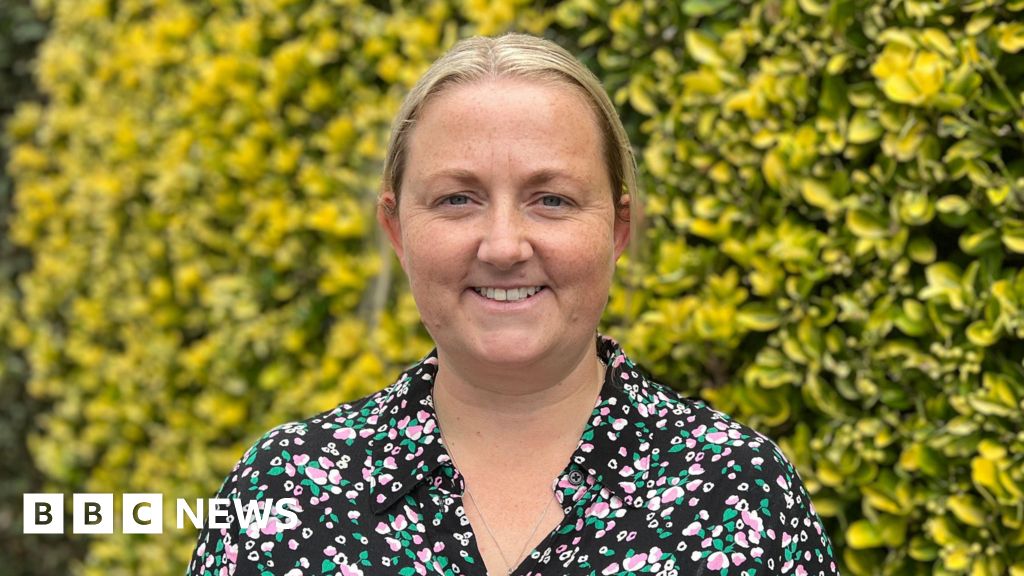
Deputy Lucy Stephenson has launched a proposition to reduce fuel duty on petrol and diesel by 10p per litre for three months, according to BBC News. The proposed cut would run from 1 October to 31 December 2026 and is intended to help islanders cope with sustained cost-of-living pressures. Stephenson stated the reduction would save the average family £5 each time they fill up their vehicle.
Proposal Details
The proposition calls for a 10p per litre cut in duty for both regular unleaded petrol and diesel. The current duty stands at 64p per litre for both fuels, as reported by BBC News. If approved, the duty would fall to 54p per litre from 1 October through 31 December. The table below summarises the proposed change:
| Fuel Type | Current Duty (p/litre) | Proposed Duty (p/litre) | Reduction |
|---|---|---|---|
| Petrol (unleaded) | 64p | 54p | 10p |
| Diesel | 64p | 54p | 10p |
Cost-of-Living Context
In the proposition, Deputy Stephenson highlighted that cost-of-living pressures were the number one issue raised by islanders during this year's election. The document states: "It is no longer just those on the lowest incomes struggling to make ends meet, but spiralling costs are impacting Islanders at all ages, stages of life and those earning a seemingly 'good' wage." The proposal further asserts that the island "no longer has a temporary cost-of-living crisis but a sustained, long-term economic and human challenge."
Impacts on Consumers
According to the BBC report, the 10p per litre reduction would save the average family £5 each time they fill up. This saving is calculated based on typical fuel consumption patterns. For a driver using 50 litres per fill, the saving would be exactly £5 (50 litres × 10p = £5). The measure is designed to provide immediate relief during the final quarter of the year, a period that often sees higher household spending.
Next Steps
The proposition is set to be considered by the minister for treasury and resources, who is due to be chosen on Friday (the article date is 18 June 2026). The outcome will determine whether the duty reduction moves forward to implementation. If enacted, the lower duty would apply to all fuel sales within the island's jurisdiction for the three-month window ending 31 December 2026.
Implications for Commodity Markets
While this is a local policy proposal in a small jurisdiction (likely the Channel Islands), it reflects broader political pressure to address fuel costs at the consumer level. For commodity traders and analysts monitoring global refined product markets, local duty changes can influence regional demand patterns, though the scale here is limited. The proposal underscores the sensitivity of fuel prices to tax policy and cost-of-living concerns, themes that may resonate in larger economies considering similar measures.
Sources: