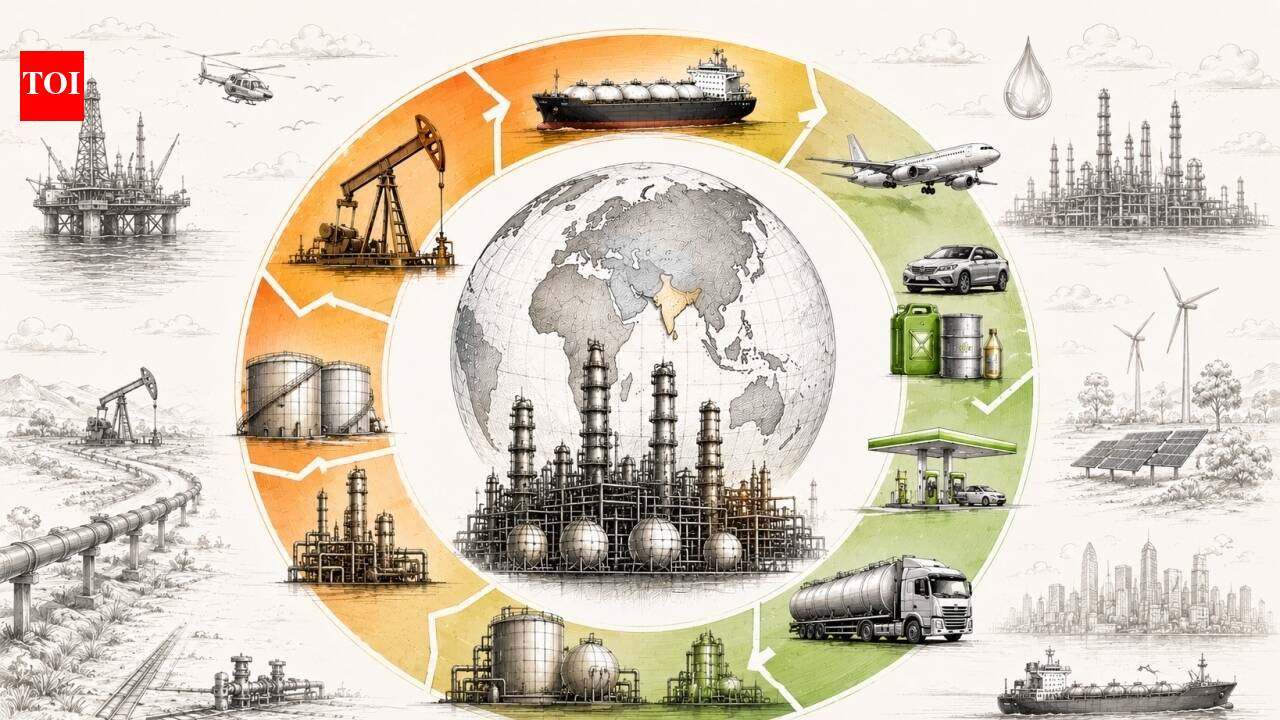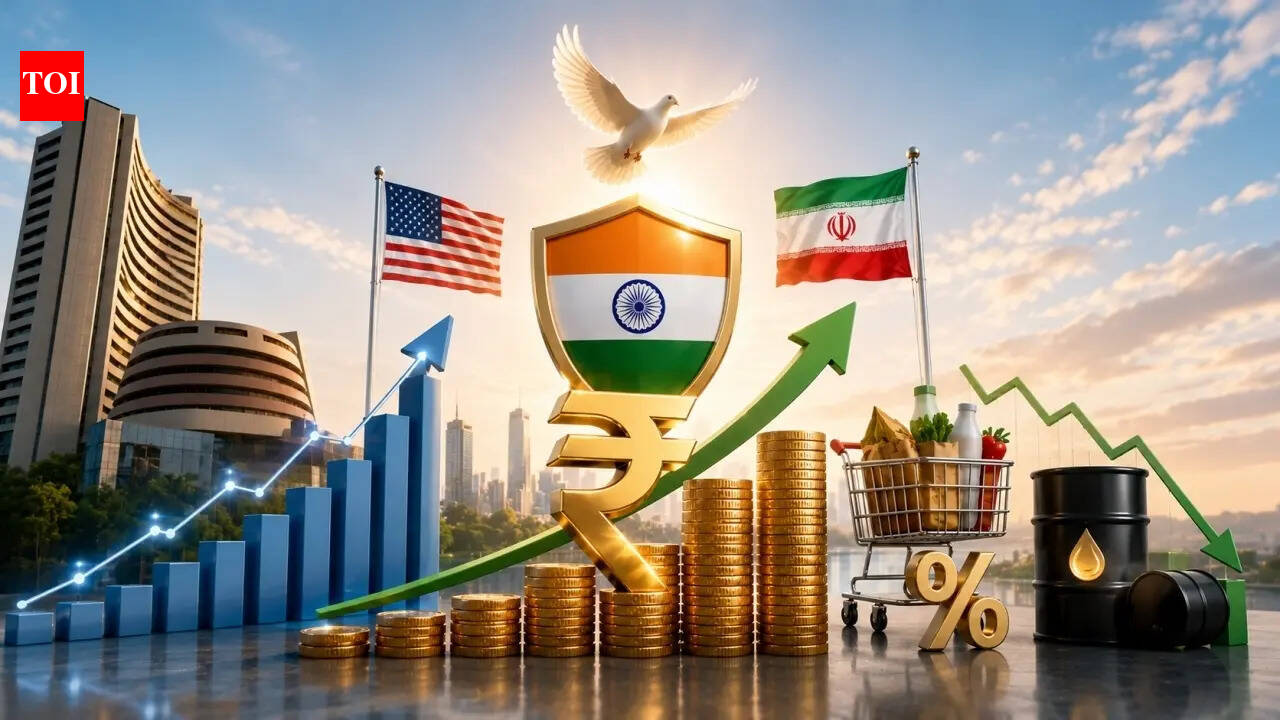
US President Donald Trump wrote on Truth Social, "Ships of the World, start your engines," announcing an imminent peace deal with Iran and the opening of the Strait of Hormuz. "Let the oil flow!" he said, according to a report by Business Today. The peace deal is reportedly going to be signed on Friday in Geneva. The Strait of Hormuz closure had been responsible for global crude oil prices surging, causing an economic shock for the world. India, dependent on imports for almost 90% of its needs, has seen the impact deeply.
Crude Oil Price Outlook
Crude oil prices have already shown a temporary nature of their rise. From peaks of around $120 per barrel seen during the conflict, crude prices have dropped below $85 per barrel in hopes of a peace deal, as reported by Business Today. A recent Fitch report sees the oil market returning to oversupply once the crisis is resolved. "The disruption does not alter the longer-term direction of the market, which is expected to return to surplus conditions later this year," Fitch Ratings said. The rating agency sees crude oil prices averaging around $87 per barrel in 2026.
As per SBI Research estimates, every $10 per bbl increase in crude oil prices may widen the current account deficit (CAD) by 36 bps in FY27. Falling crude oil prices would help check a widening CAD.
| Metric | Peak Crisis Level | Current/Expected Level |
|---|---|---|
| Crude oil price | ~$120/bbl | Below $85/bbl |
| Fitch 2026 average forecast | - | ~$87/bbl |
Impact on India's Retail Fuel Prices
For India, petrol and diesel prices have seen a Rs 7.5‑8 per litre hike since May 15, 2026. Before that, the government had cut excise duties on the two fuels to keep prices in check. Oil marketing companies are still suffering huge losses in everyday retail sales. LPG prices for domestic cylinders have also been increased twice since the conflict began. However, even as supplies ease and global prices come down, it may take some time for retail prices of petrol, diesel, and LPG to come down meaningfully.
Rupee Recovery and Capital Flows
Perhaps one of the biggest beneficiaries would be the rupee, which has been on a record depreciation spree — dropping to almost 97 versus the US dollar recently. Already weakened in 2025 due to foreign outflows, the Middle East issue has been a big blow for the Indian currency. The Reserve Bank of India (RBI) recent steps to attract foreign inflows, and the government move on tax exemption for bonds, have helped stabilise the currency.
Jateen Trivedi, VP Research Analyst - Commodity and Currency, LKP Securities, told Business Today:
"The biggest benefit would come through smoother crude oil supplies, reduced freight and insurance costs, and lower concerns over India's import bill. Since India imports a large portion of its energy requirements, normalization of crude flows can improve sentiment towards the rupee and reduce pressure on the current account deficit."
The rupee has already started showing signs of recovery over the past few sessions as markets anticipate a potential resolution. "A stable energy market environment would further support the currency and could encourage foreign investors to reassess emerging market allocations," Trivedi said.
If a peace deal materialises, it would reduce the impact of the US-Iran war on the Indian economy to a few quarters. Falling crude prices would help curb inflation, support forex reserves, and improve GDP growth forecasts, which had been trimmed due to the conflict.
Sources: