iGEN
Visit IGEN World Explore IGEN Expo
EXPLORE UPGRADE PLANS
BREAKING
Ports Face Up to $30bn Annual Climate Disruption by 2050 Without Adaptation, WEF Warns Trump Lets Sanctions Waiver on Russian Crude Expire as US-Iran Peace Deal Progresses Iran-US Peace Deal Reopens Hormuz: 62 Million Barrels Set to Flood Market, Asia Braces for Oil Glut Vår Energi Approves Seven-Well North Sea Development with 2027 Start-Up Atom XVII Launches ₹75 Crore Consumer Fund to Back Early-Stage Indian Brands Rupee Tumbles 21 Paise to 94.66 Against US Dollar on Fed Hawkish Stance MOL and NYK Sign Long-Term Ammonia Carrier Charters with JERA for US-Japan Low-Carbon Fuel Supply Qatar LNG Tanker Sails for Hormuz as US-Iran Deal Reopens Critical Waterway UK to Scan Asylum-Seekers’ Faces with Flawed AI Age Estimation Despite Internal Warnings US Firms Sue Container Makers Over Alleged Price-Fixing Scheme Impacting Global Dry Container Market Ports Face Up to $30bn Annual Climate Disruption by 2050 Without Adaptation, WEF Warns Trump Lets Sanctions Waiver on Russian Crude Expire as US-Iran Peace Deal Progresses Iran-US Peace Deal Reopens Hormuz: 62 Million Barrels Set to Flood Market, Asia Braces for Oil Glut Vår Energi Approves Seven-Well North Sea Development with 2027 Start-Up Atom XVII Launches ₹75 Crore Consumer Fund to Back Early-Stage Indian Brands Rupee Tumbles 21 Paise to 94.66 Against US Dollar on Fed Hawkish Stance MOL and NYK Sign Long-Term Ammonia Carrier Charters with JERA for US-Japan Low-Carbon Fuel Supply Qatar LNG Tanker Sails for Hormuz as US-Iran Deal Reopens Critical Waterway UK to Scan Asylum-Seekers’ Faces with Flawed AI Age Estimation Despite Internal Warnings US Firms Sue Container Makers Over Alleged Price-Fixing Scheme Impacting Global Dry Container Market
Home ›› Commodities ›› Commodities Energy ›› Trump Lets Sanctions Waiver on Russian Crude Expire as US-Iran Peace Deal Progresses

Trump Lets Sanctions Waiver on Russian Crude Expire as US-Iran Peace Deal Progresses

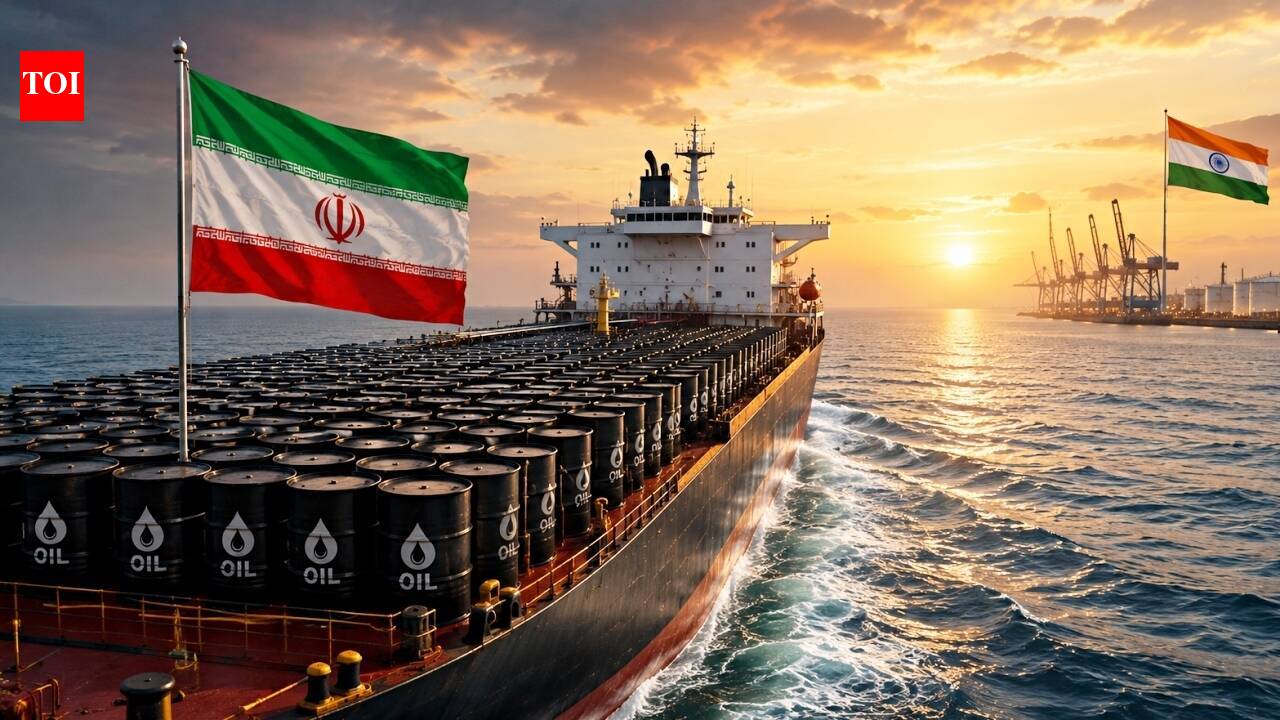
The Trump administration allowed the sanctions waiver on Russian crude oil to expire as the US and Iran signed a peace deal memorandum. The waiver had enabled India to import discounted Russian oil. With the Strait of Hormuz expected to normalize, India may pivot to Middle Eastern, Iranian, and Venezuelan crude.

iG
iGEN Editorial
June 18, 2026
Trump Lets Sanctions Waiver on Russian Crude Expire as US-Iran Peace Deal Progresses

The Trump administration has quietly let the sanctions waiver for Russian crude oil expire, according to a Reuters report cited by Business Today. The expiry comes as the US and Iran signed a memorandum of understanding aimed at ending the war and restoring Middle Eastern oil supplies to global markets. President Donald Trump had earlier this week hinted that sanctions on Russian oil could return once the Strait of Hormuz opens and normalises global oil supplies.

Waiver Expiration and US Policy

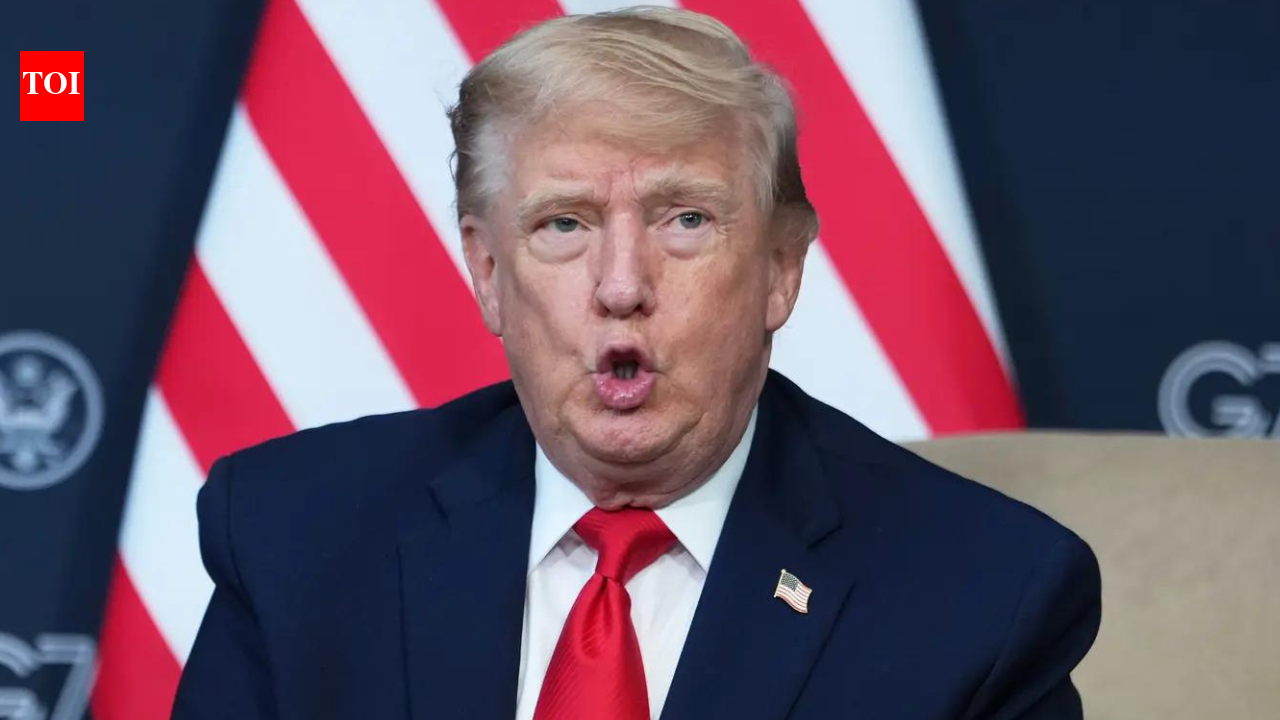
The US Treasury did not issue an extension on Wednesday for its sanctions waiver covering Russian seaborne oil, which expired at midnight. However, neither President Trump nor senior administration officials clarified whether the lapse would result in the sanctions being reinstated. The waiver had been introduced during the conflict with Iran to help vulnerable economies manage the energy crisis by allowing access to Russian oil. Speaking to reporters at the G7 summit in France, Trump declined to provide a definitive answer on the possible return of sanctions against Russia. He said the administration was monitoring the situation and watching how far oil prices decline, noting that crude prices had been falling sharply. A day earlier, Trump had suggested that ending the waiver and allowing sanctions to return could become feasible once oil supplies from the Middle East resumed normal flows. In the past, the US has occasionally allowed the waiver to lapse before renewing it a few days later.

Impact on India's Crude Oil Imports

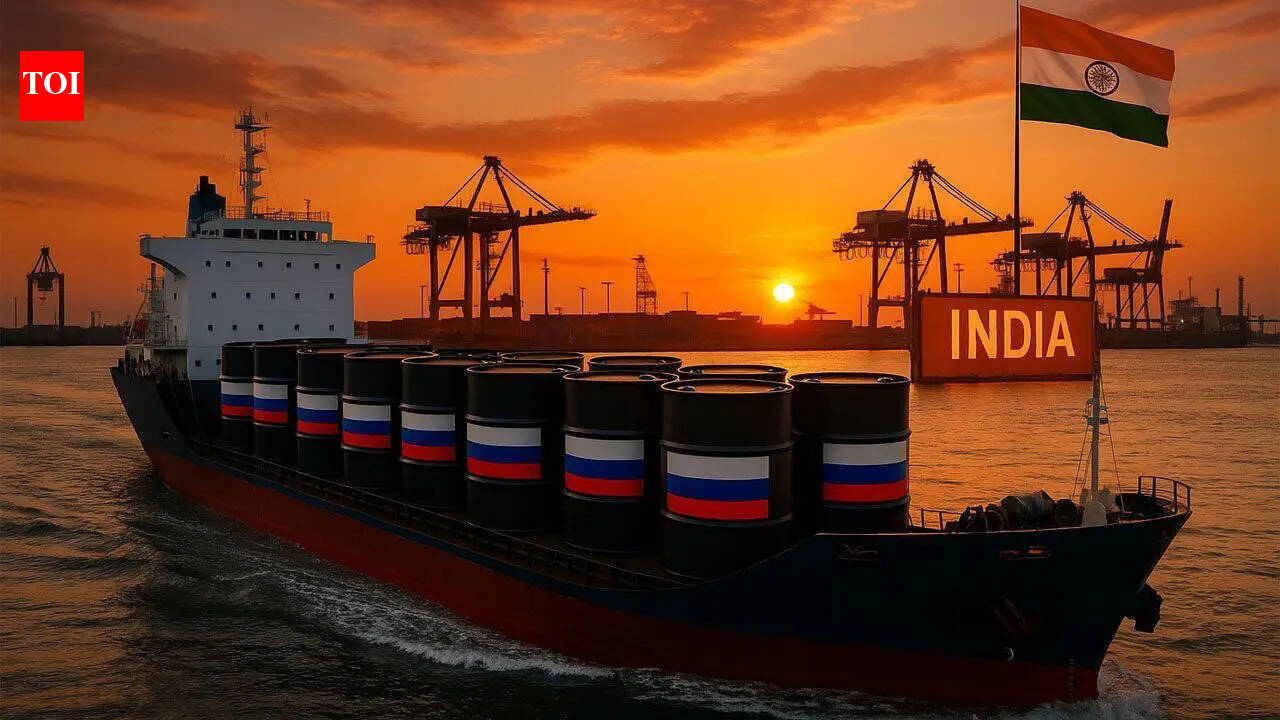
For India, the sanctions waiver had been a significant benefit. India depends on the Middle East for a big portion of its crude oil supplies, but the waiver made Russian crude oil economical for purchase. Since the Russia-Ukraine war began in 2022, Moscow emerged as a key crude supplier for India, selling oil at discounted rates as Europe restricted imports. At one point, Russia accounted for around 40% of India’s crude oil imports. However, after the Trump administration's sanctions in late 2025, India’s imports of Russian crude started declining, with the lowest levels in several years seen in February. Then the Middle East conflict began, and India stepped up procurement of Russian crude, with imports reaching near peaks seen in 2023.

With the waiver now expired, a return of sanctions means a reorientation of India’s crude oil import strategy. Two factors work in the country’s favour: the crude oil basket is diversified to include around 40 countries, and second, once trade flows through the Strait of Hormuz return to normalcy, crude oil from the Middle East would be back to fill the gap left by declining Russian supplies.

Supply Dynamics and Diversification

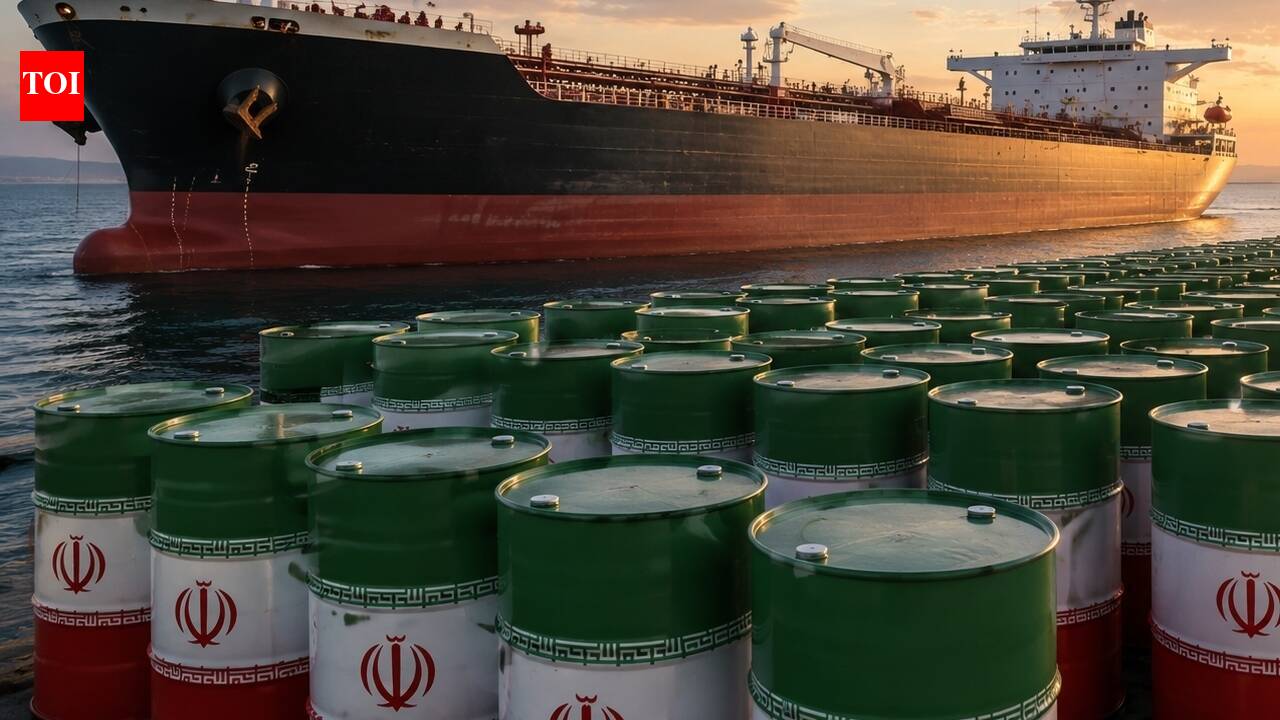
The US-Iran peace deal opens new supply avenues. According to the US, Iran would be able to begin selling oil immediately after the signing ceremony. While restoring oil and gas flows to normal levels could take months, India will also get access to sanction-free Iranian crude. Additionally, Venezuela has emerged as an important crude oil supplier for India, and imports from the UAE continue to be strong despite Hormuz disruptions. Oil experts believe that Russian crude will continue to play an important role in India’s crude oil imports, even though oil from Lukoil and Rosneft is sanctioned.

Supply Source Status for India Key Details
Russia (Lukoil, Rosneft) Sanctioned; waiver lapsed Previously provided ~40% of India's crude; imports rose during Middle East conflict
Iran Sanction-free after peace deal Immediate sales possible; flows may take months to normalise
Venezuela Important supplier Emerging as alternative
UAE Strong imports Continued despite Hormuz disruptions
Middle East (general) Expected to resume via Strait of Hormuz Will fill gap from Russian decline

The coming weeks will be critical as market participants watch for clarity from the Trump administration on whether sanctions against Russian oil will be fully reinstated, and as India adjusts its procurement strategy to a post-waiver, post-conflict global oil landscape.


Sources: Business-Today
Keep Reading

Recommended Stories

‘Let the oil flow’: What Trump’s possible peace deal with Iran, Strait of Hormuz opening mean for India Commodities

‘Let the oil flow’: What Trump’s possible peace deal with Iran, Strait of Hormuz opening mean for India

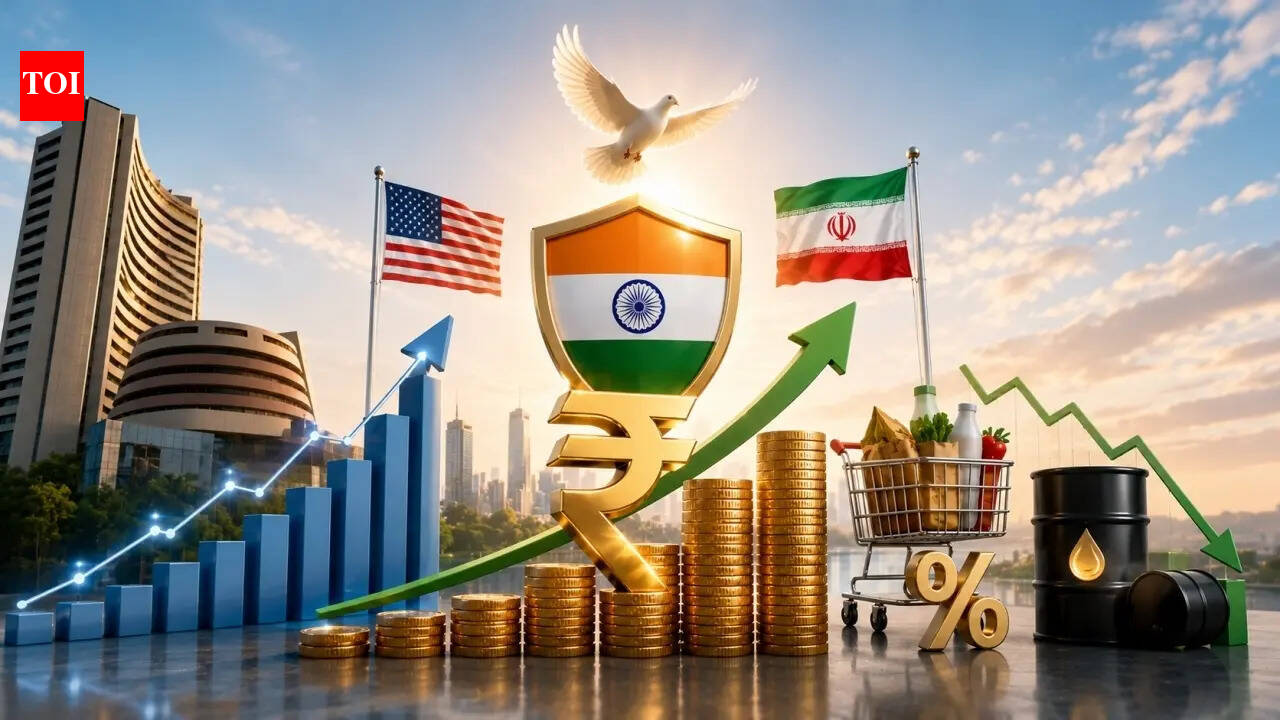
US President Donald Trump announced an imminent peace deal with Iran and the reopening of the Strait of Hormuz, causing crude oil prices to fall from peaks of $120 to below $85 per barrel. For India, which imports nearly 90% of its oil, this could ease pressure on the rupee, current account deficit, and retail fuel prices, though impacts may take time to materialize.

June 15, 2026
Trump Says US Can ‘Soon’ Reimpose Russian Oil Sanctions After Strait of Hormuz Reopens Trade

Trump Says US Can ‘Soon’ Reimpose Russian Oil Sanctions After Strait of Hormuz Reopens

US President Donald Trump announced the US will soon reimpose sanctions on Russian oil shipments after crude flows resumed through the Strait of Hormuz following a deal with Iran. The remarks came at the G7 summit in France, where leaders discussed increasing pressure on Moscow over the Ukraine war.

June 17, 2026
How West Asia Conflict Reshapes India's Trade Map: Oman Surges, UAE Slips Trade

How West Asia Conflict Reshapes India's Trade Map: Oman Surges, UAE Slips

India's trade map has been transformed by the West Asia conflict. In April-May 2026, Oman surged from the 30th to the 10th largest import source, while the UAE slipped to fourth place. Singapore overtook China and the Netherlands to become India's third largest export destination. The blockade of the Strait of Hormuz has made Oman a transit gateway, supported by a new free trade agreement.

June 16, 2026
U.S.-Iran Peace Deal Reopens Strait of Hormuz, Unleashing Global Oil Supply Commodities

U.S.-Iran Peace Deal Reopens Strait of Hormuz, Unleashing Global Oil Supply

The United States and Iran have reached a peace deal to end the war and lift restrictions on the Strait of Hormuz, through which 20% of the world's crude oil flows. The agreement suspends sanctions on Iranian oil, releases $24 billion in frozen assets, and provides a 60-day period to negotiate a permanent settlement. The U.S. will lift its blockade within 30 days, but analysts caution it will take two to three months for shipping to fully normalize due to mines and supply chain bottlenecks.

June 15, 2026