iGEN
Visit IGEN World Explore IGEN Expo
EXPLORE UPGRADE PLANS
BREAKING
First Urea Vessel for India Sails via Hormuz, Set to Reach East Coast in 7-9 Days The Best Art TVs Reviewed: Samsung The Frame Pro 2026 Leads the Category SpaceX's $2.2 Trillion Nasdaq Debut Makes Elon Musk World's First Trillionaire California jury holds 3 trucking firms liable in $52.1M nuclear verdict over subcontractor crash Pump.Fun GO Bounties Feature Draws Criticism as a Circular Grifting Scheme Try One of macOS 27's Best Features Right Now: AI-Powered Shortcuts India Initiates Anti-Dumping Probe Against Chinese, Japanese Chemical Used in Tyres and Rubber BP Taps DeepOcean for Foinaven Subsea Decommissioning Campaign Unnamed North Sea Operator Extends Odfjell Technology Drilling Services Contract to 2028 Top NordVPN Coupons: 75% Off, Plus 3 Months Free in June 2026 First Urea Vessel for India Sails via Hormuz, Set to Reach East Coast in 7-9 Days The Best Art TVs Reviewed: Samsung The Frame Pro 2026 Leads the Category SpaceX's $2.2 Trillion Nasdaq Debut Makes Elon Musk World's First Trillionaire California jury holds 3 trucking firms liable in $52.1M nuclear verdict over subcontractor crash Pump.Fun GO Bounties Feature Draws Criticism as a Circular Grifting Scheme Try One of macOS 27's Best Features Right Now: AI-Powered Shortcuts India Initiates Anti-Dumping Probe Against Chinese, Japanese Chemical Used in Tyres and Rubber BP Taps DeepOcean for Foinaven Subsea Decommissioning Campaign Unnamed North Sea Operator Extends Odfjell Technology Drilling Services Contract to 2028 Top NordVPN Coupons: 75% Off, Plus 3 Months Free in June 2026
Home ›› Commodities ›› Commodities Energy ›› Strait of Hormuz Reopens but Gas Prices Unlikely to Recover Soon, Experts Warn

Strait of Hormuz Reopens but Gas Prices Unlikely to Recover Soon, Experts Warn

President Trump signed an MOU with Iran reopening the Strait of Hormuz, but experts warn that US gas prices, which have jumped over 35% since late February, will not recover soon. The strait remains mined, shipping is risky, and oil production infrastructure needs time to restart.

iG
iGEN Editorial
June 19, 2026
Strait of Hormuz Reopens but Gas Prices Unlikely to Recover Soon, Experts Warn

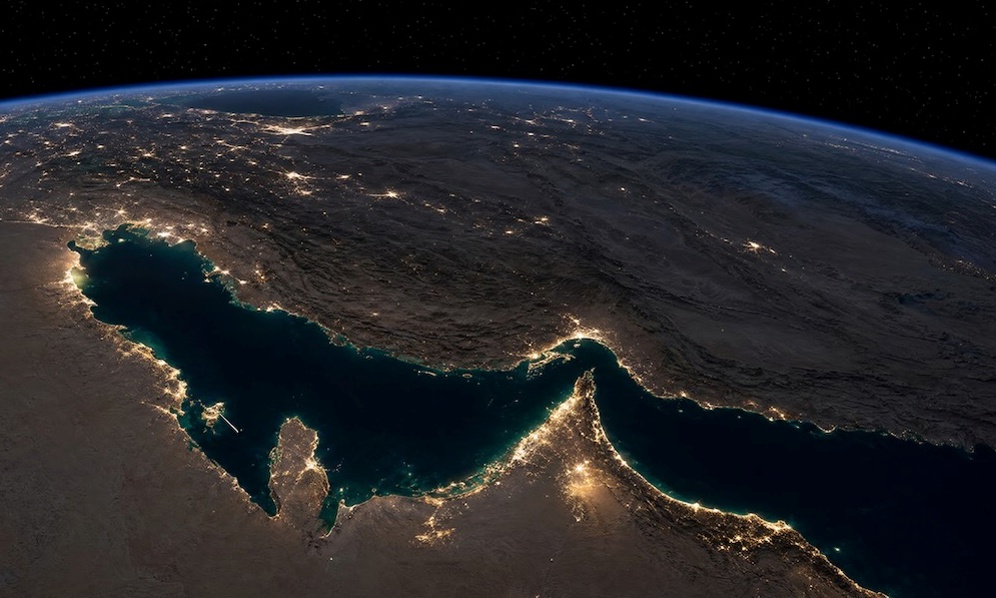
On Wednesday evening, President Donald Trump officially signed a Memorandum of Understanding with Iran, setting off a 60-day ceasefire and reopening the Strait of Hormuz. The narrow waterway typically handles 20 million barrels of oil per day. By Thursday morning, 10 vessels stranded for the entire 110-day US-Iran war began moving out of the area, according to Windward, a maritime intelligence firm. However, experts caution that US consumers should not expect gas prices—which have jumped more than 35 percent nationally since late February—to recover soon.

Fragile Peace and Lingering Risks

The Strait of Hormuz remains seeded with an indeterminate number of underwater mines, and President Trump continues to threaten violence in the area. “We will bomb them” if Iran does not permanently shut down its nuclear program, the president told reporters Wednesday. “It’s amazing what bombs can do.” Jason Miller, a professor of supply chain management at Michigan State University’s Eli Broad College of Business, noted that for the consumer, there is no sign that prices are heading back to February levels just yet. “The global oil supply-demand balance, big picture, has been incredibly disrupted,” he said. People who buy gas, food, fertilizer, and anything else dependent on oil-based products should not count on a rapid recovery.

Shipping and Safety Challenges

Jakob Larsen, the chief safety and security officer at BIMCO, the world’s largest international shipping organization, said in a written statement that the industry still views the Strait as a safety risk. Its central part is “mined and un-navigable,” meaning ships’ safest routes are likely in narrower channels closer to Iran or Oman. The memorandum did not include important details such as which routes are safest, how ships might move in opposite directions, whether militaries will assist operations, or whether Iran might impose tolls. “Credible assurances from both sides of the conflict must be given before traffic can resume fully to pre-conflict levels,” Larsen wrote.

Michelle Wiese Bockmann, a senior maritime intelligence analyst at Windward, stated that routes must be de-mined, but “nobody knows how long that will take—six weeks or six months.” Trump earlier said the effort to clear mines is underway, potentially involving multiple countries, minesweeping ships, underwater drones, military divers, and even US Navy-trained mine-detecting dolphins (though CNN reported dolphins are unlikely currently operating in the area).

Aspect Pre-War Current Situation
Strait Status Open, routine shipping Reopened but mined and high risk
Oil Flow ~20 million bbl/day Restarting, stranded vessels moving
Gas Prices (US) Pre-February levels +35% since late February
Shipping Insurance Normal Exploded, with long-term rerouting

Demand and Supply Disruption

The war may have permanently altered global shipping, as Iran demonstrated it can shut the strait. Oil production machinery is only just grinding back to a start. Although crude oil prices have fallen since the memorandum’s announcement, consumers would be wise to budget for higher wartime prices for the longer haul. “This is an incredibly fragile situation,” Miller said. Additional risks include potential Iranian tolls on passing ships, which could add costs. Shipping insurance rates have exploded, and vessels rerouted around Africa, delaying deliveries of oil, auto parts, fertilizer, and other goods.

Outlook for Commodity Traders

For commodity traders and procurement teams, the reopening of the Strait of Hormuz is a positive step, but the timeline for normalized flows remains highly uncertain. The demining process, threat of renewed conflict, and potential tolls mean that oil and gas prices could remain elevated. Key data to watch include US EIA inventory reports, oil tanker tracking from Windward, and any further US-Iran negotiations. As Miller put it, “None of these things would have happened if you had not had the war.” The market must now navigate a fragile peace with persistent supply-side risks.


Sources: WIRED – Top Stories
Keep Reading

Recommended Stories

Iran Conflict Reshapes Persian Gulf Food Trade Trade

Iran Conflict Reshapes Persian Gulf Food Trade

The Iran conflict is reshaping food systems in the Persian Gulf, emphasizing the need for shorter, diversified supply chains. The UAE, heavily reliant on imports, is adapting through technology and local sourcing.

May 31, 2026
Indian refiners in no hurry to return to West Asian oil as Hormuz reopens despite ceasefire Commodities

Indian refiners in no hurry to return to West Asian oil as Hormuz reopens despite ceasefire

Indian state-run refiners have enough crude for two months and are in no rush to resume West Asian purchases despite the Strait of Hormuz reopening after a US-Iran interim peace deal. They are weighing cheaper Russian crude and higher freight costs, with long-term supply commitments yet to be confirmed.

June 19, 2026
Gold whipsaws in choppy trading as US completes new Iran strikes, Strait of Hormuz closed Commodities

Gold whipsaws in choppy trading as US completes new Iran strikes, Strait of Hormuz closed

Gold experienced sharp swings after the US completed fresh strikes against Iran, which prompted Tehran to close the Strait of Hormuz to all vessels. Bullion rose as much as 1.1% after an earlier drop near $4,000/oz, while US inflation accelerated to 4.2% year-over-year in May, driven by war-induced energy costs. Trade executives face heightened uncertainty over shipping routes and inflation.

June 15, 2026
Oil Supply Recovery May Take Months Despite Strait of Hormuz Reopening, Experts Say Commodities

Oil Supply Recovery May Take Months Despite Strait of Hormuz Reopening, Experts Say

Despite the agreement to reopen the Strait of Hormuz, oil supply recovery is expected to take months due to stranded tankers, shut-in production, and security concerns. Experts from S&P Global, Wood Mackenzie, and Columbia University highlight slow logistics, insurance hurdles, and the need for a durable ceasefire before producers restart operations.

June 15, 2026