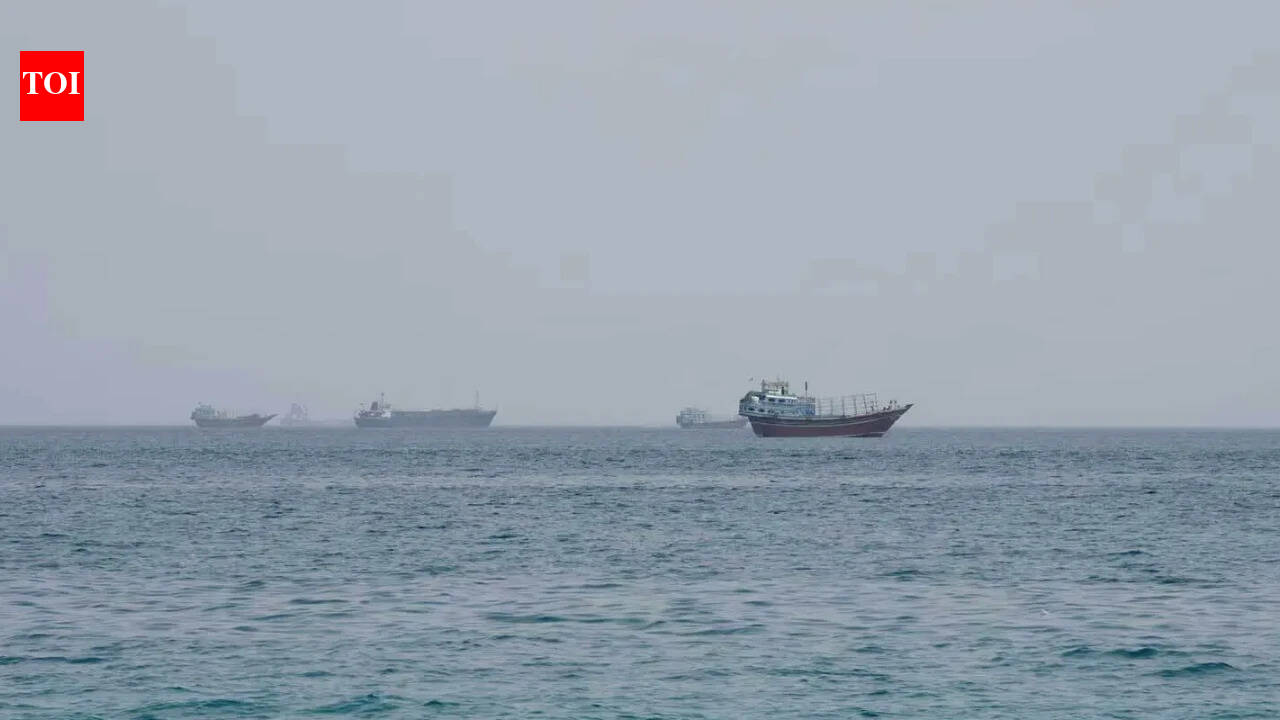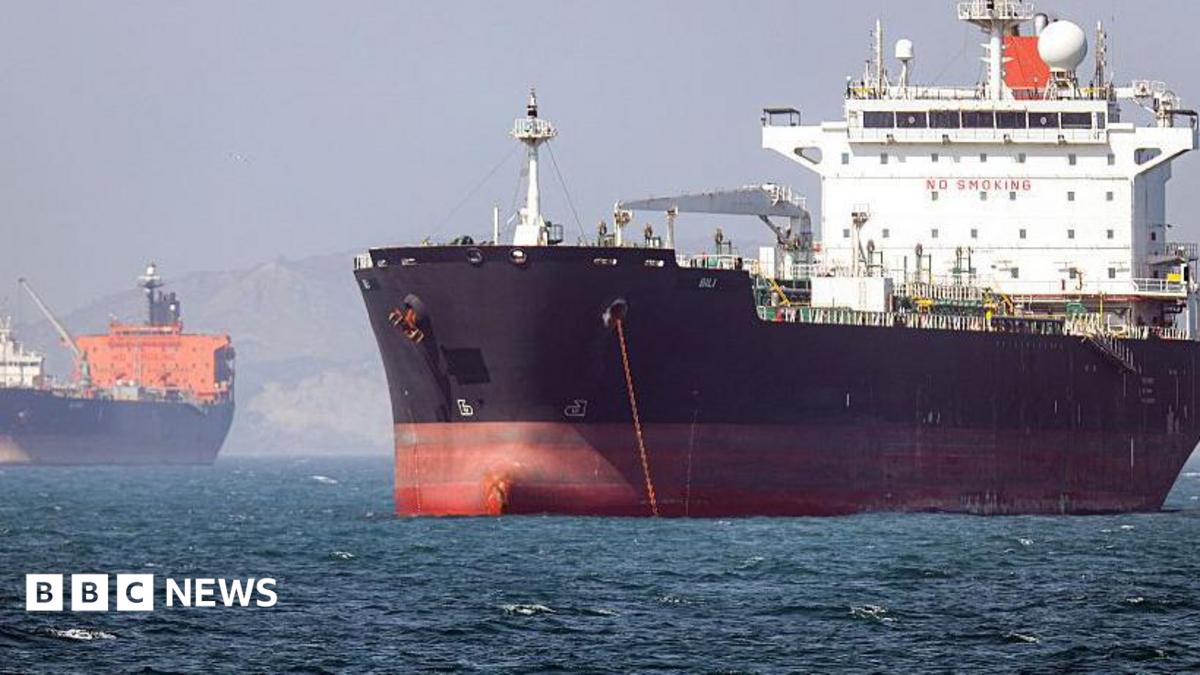
The United States and Iran have reached an agreement to end the war and reopen the Strait of Hormuz, a chokepoint through which 20% of the world's crude oil supply flows, according to FreightWaves. The memorandum of understanding, whose terms were not disclosed, is set to be signed on June 19. It will suspend sanctions on Iranian oil, release $24 billion in frozen Iranian assets, and allow 60 days for the two countries to negotiate a permanent settlement including Tehran's nuclear program. The U.S. will lift its blockade of the strait within 30 days.
Supply Disruption and the Road to Recovery
The conflict had throttled shipping of not only crude oil but also fertilizer and other chemicals, prompting President Donald Trump to temporarily suspend the Jones Act to allow foreign vessels to carry gas and fertilizer between Gulf Coast producers, inland ports, and northeastern markets. The war impacted fuel and gas production across the Persian Gulf, pushing bunker prices sharply higher ahead of the peak shipping season. Analysts say it will likely take months for capacity to normalize across the supply chain.
Thousands of mines laid in the Gulf must be cleared to provide a safe path for shipping, as reported by FreightWaves. This demining effort is a prerequisite for any vessels to transit safely.
Shipping and Logistics Bottlenecks
Shipping analyst Lars Jensen cautioned that a full return to pre-crisis normality will likely take two to three months. He explained: "Not just because vessel rotations need to be altered, but we also need to see empty return patterns normalized. Plus, there will be cargo ready to ship into the Gulf which has been waiting elsewhere for a few months until an opening happened. This can create a surge problem and associated bottleneck issues."
| Aspect | During Conflict | Post-Deal (Expected) |
|---|---|---|
| Strait access | Blockaded; ships stranded | Reopened within 30 days |
| Oil supply flow | Severed (20% of global crude) | Gradual resumption |
| Bunker prices | Sharply up | Expected to ease after normalization |
| Vessel movements | Stalled; empty return patterns disrupted | 2-3 months to normalize |
| Mines in Gulf | Active hazard | Clearing underway |
Demand Side and End-Market Impact
On the demand side, the reopening will likely release pent-up cargo demand for crude, fertilizer, and chemicals that had been waiting outside the Gulf region. The temporary Jones Act suspension had allowed foreign-flag ships to move gas and fertilizer domestically, alleviating shortages in the U.S., but the full reopening will restore international shipping lanes. Global refiners and fertilizer buyers, particularly in Asia and Europe, will see improved access to Persian Gulf supplies.
Outlook and Key Data Releases
The agreement, while historic, leaves many operational details unresolved. The 60-day negotiation window for a permanent settlement means that full confidence in shipping schedules may not return until late August. Market participants will watch for demining progress reports and any delays in the U.S. lifting the blockade. Bunker fuel prices and crude oil spreads will be closely monitored as supply flows resume.
Sources: