iGEN
Visit IGEN World Explore IGEN Expo
EXPLORE UPGRADE PLANS
BREAKING
Tree-like Self-Play Framework Teaches LLMs to Fix Security Flaws in Code Generation Research Proposes Task-Based Neurons to Enhance Neural Network Feature Representation EV-WM: Event-Verified World Models Boost Long-Horizon Robotic Manipulation for Industrial Automation Haiku to Opus in Just 10 bits: LLMs Unlock Large Compression Gains 3D Skeleton Person Re-Identification Survey Reveals Taxonomy, Advances, and Interdisciplinary Potential FBI Seizes Drones at World Cup, Warns Pilots of Up to $100,000 Fines for Violating No-Fly Zones NVIDIA's GB10 Edge AI Hardware Has No CPU Energy Monitoring, Researchers Find SpatialWorld Benchmark Reveals Multimodal Agents Struggle with Interactive Spatial Reasoning Study Finds Persistent Cooperative Bias in Next-Gen LLM Agents but Significant Provider Divergence Snap Launches $2,195 AR Glasses 'Specs' for Consumer Market, Available for Preorder Tree-like Self-Play Framework Teaches LLMs to Fix Security Flaws in Code Generation Research Proposes Task-Based Neurons to Enhance Neural Network Feature Representation EV-WM: Event-Verified World Models Boost Long-Horizon Robotic Manipulation for Industrial Automation Haiku to Opus in Just 10 bits: LLMs Unlock Large Compression Gains 3D Skeleton Person Re-Identification Survey Reveals Taxonomy, Advances, and Interdisciplinary Potential FBI Seizes Drones at World Cup, Warns Pilots of Up to $100,000 Fines for Violating No-Fly Zones NVIDIA's GB10 Edge AI Hardware Has No CPU Energy Monitoring, Researchers Find SpatialWorld Benchmark Reveals Multimodal Agents Struggle with Interactive Spatial Reasoning Study Finds Persistent Cooperative Bias in Next-Gen LLM Agents but Significant Provider Divergence Snap Launches $2,195 AR Glasses 'Specs' for Consumer Market, Available for Preorder
Home ›› Commodities ›› Commodities Energy ›› US Strategic Petroleum Reserve Falls to Lowest Level Since 1983 Amid Iran Conflict

US Strategic Petroleum Reserve Falls to Lowest Level Since 1983 Amid Iran Conflict

The US Strategic Petroleum Reserve (SPR) has fallen to 340.3 million barrels as of June 12, 2026, the lowest since July 1983. The Trump administration released 8.9 million barrels over the past week, part of 75 million barrels drawn since the war with Iran began in late February. Industry officials warn the reserve could face operational constraints if the drawdown continues, with replenishment not expected before hurricane season.

iG
iGEN Editorial
June 16, 2026
US Strategic Petroleum Reserve Falls to Lowest Level Since 1983 Amid Iran Conflict

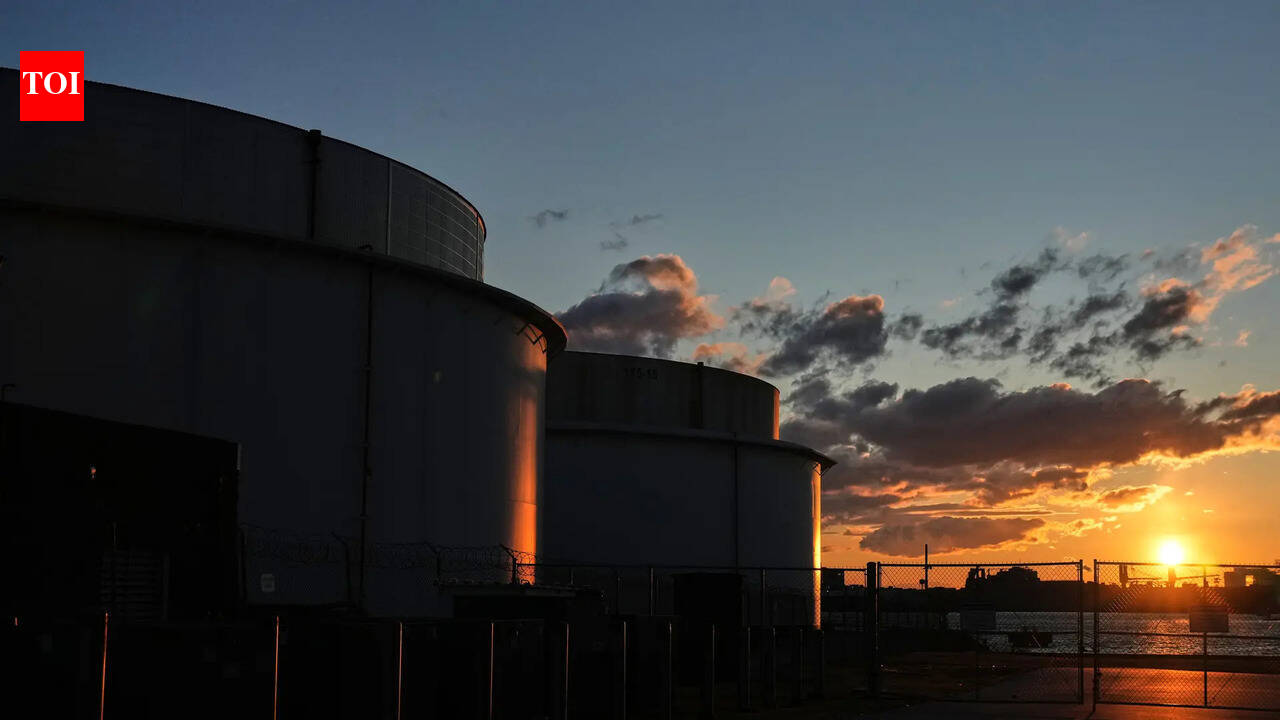
The US Strategic Petroleum Reserve (SPR) has dropped to its smallest volume in over four decades, according to federal data released on Monday and cited by CNN. As of June 12, 2026, the SPR held 340.3 million barrels of crude oil, slipping below the previous historic low recorded in July 2023 during President Joe Biden's administration following Russia's invasion of Ukraine. The current level marks the lowest since July 1983, when the Ronald Reagan administration was still building the stockpile and the US economy was significantly smaller.

Accelerated Drawdown Amid Geopolitical Tensions

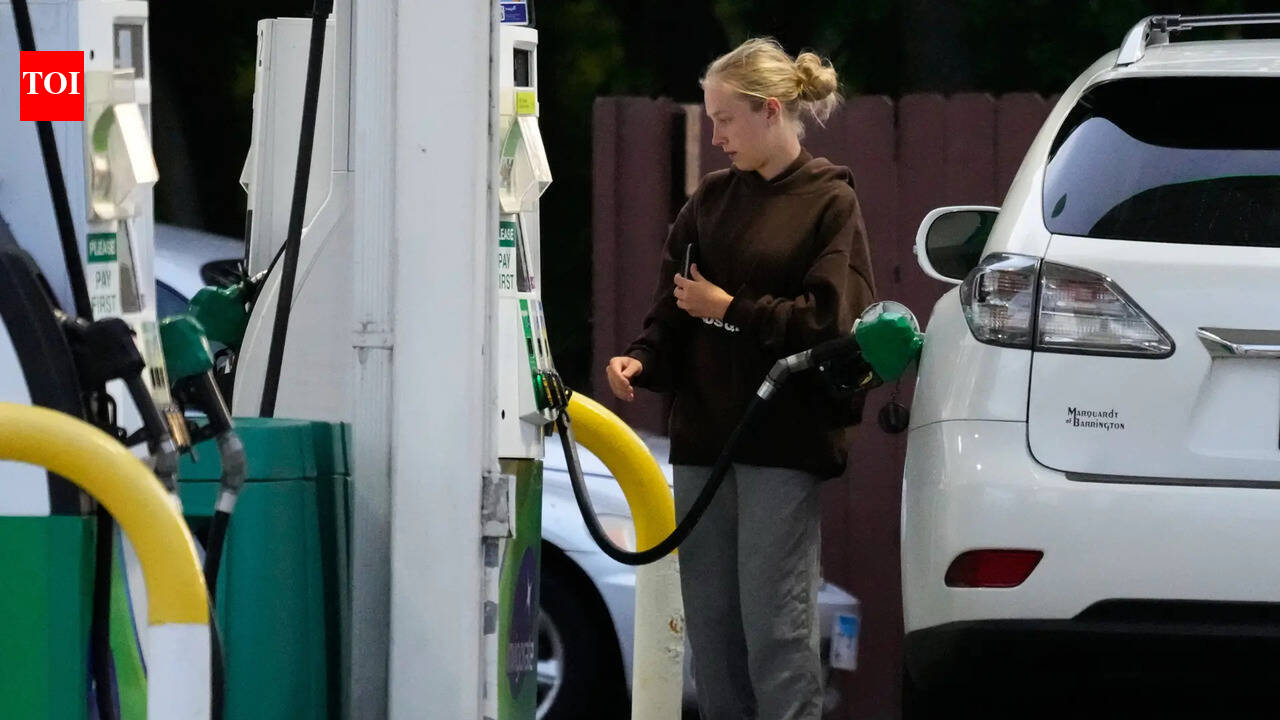
The Trump administration has been drawing oil from the SPR to ease the economic impact of the war with Iran, which began in late February. According to the CNN report, US officials released another 8.9 million barrels from the emergency stockpile over the past week. Since the conflict began, back-to-back global conflicts have reduced the reserve by 75 million barrels, an 18% decline. At present, the emergency stockpile stands at a little less than half full.

Metric Value
SPR volume (June 12, 2026) 340.3 million barrels
Previous historic low (July 2023) Below 340.3 million barrels
Drawdown since late February 75 million barrels (18%)
Weekly release (week ending June 12) 8.9 million barrels
Total committed releases (March) 172 million barrels

Andy Lipow, president of Lipow Oil Associates, told CNN that "the Strategic Petroleum Reserve releases, combined with releases by other governments and China reducing its exports, have prevented the Armageddon scenario of $150 oil from happening to date." However, Lipow warned that a major hurricane in the Gulf of Mexico could leave the US exposed: "If we were to get a major hurricane in the Gulf of Mexico that shuts production down for several weeks, that buffer would no longer be there."

Operational Risks and Replenishment Challenges

The pace of the drawdown reflects a U-turn in President Donald Trump's policy stance. During his third presidential campaign in 2022, Trump criticised Joe Biden for using the reserve ahead of that year's midterm elections. However, Trump officials are now releasing oil from the SPR at a faster rate ahead of this year's midterms.

Industry officials have cautioned that the reserve could face operational constraints if the current trend continues. Mike Sommers, CEO of the American Petroleum Reserve (as named in the source), warned during an interview on CNN's The Lead: "The SPR must be at least 20% full to be operational. We're raising alarm bells right now." He added, "We're getting to levels where we are starting to be concerned."

The emergency oil released since the conflict with Iran began will need to be replenished over time, but such replenishment is not expected before the peak of the hurricane season, leaving domestic energy supplies exposed to any immediate weather-related disruptions.

Outlook and Market Implications

The continued drawdown reduces the buffer that SPR provides against supply shocks. Lipow noted that SPR releases could slow once the Trump administration completes the release of the 172 million barrels it committed to deploy in March. However, with the reserve already below half capacity, the ability to respond to future disruptions—whether from weather, geopolitical events, or production outages—is diminishing. The coming hurricane season will test the resilience of US oil supplies without the full cushion of the strategic reserve.


Sources: Business-Today
Keep Reading

Recommended Stories

US Strategic Petroleum Reserve Falls to Lowest Level Since 1983 Amid Iran War Commodities

US Strategic Petroleum Reserve Falls to Lowest Level Since 1983 Amid Iran War

The US Strategic Petroleum Reserve fell to 340.3 million barrels as of June 12, 2026, its lowest since July 1983, as the Trump administration continues emergency releases to mitigate economic damage from the war with Iran. The reserve has dropped 75 million barrels (18%) since the conflict began in late February. Officials warn the stockpile must remain at least 20% full to be operational.

June 16, 2026
Oil Prices Still Above Pre-War Levels Despite US-Iran Truce Hopes Commodities

Oil Prices Still Above Pre-War Levels Despite US-Iran Truce Hopes

Oil prices remained above pre-war levels on Tuesday, trading around $80 per barrel, after the US and Iran signed a memorandum of understanding to end the conflict. WTI crude stood at $81.12 per barrel and Brent at $83.43 per barrel, as of Tuesday morning. The deal could reopen the Strait of Hormuz, which had shut in about 14 million barrels per day of output, but full details and a lasting truce have yet to be established.

June 16, 2026
India Has Over 60 Days of Crude and Gas Stocks, Hardeep Puri Rules Out Energy Crunch Commodities

India Has Over 60 Days of Crude and Gas Stocks, Hardeep Puri Rules Out Energy Crunch

India holds over 60 days of crude and natural gas stocks and 75-80 days of LPG, according to Union Minister Hardeep Singh Puri. Domestic LPG production has risen sharply, and fuel prices have fallen 3.1% since May 2022, contrasting with steep increases in other nations. The minister also outlined a push for E85 fuel pumps and piped natural gas.

June 15, 2026
Oil Supply Recovery May Take Months Despite Strait of Hormuz Reopening, Experts Say Commodities

Oil Supply Recovery May Take Months Despite Strait of Hormuz Reopening, Experts Say

Despite the agreement to reopen the Strait of Hormuz, oil supply recovery is expected to take months due to stranded tankers, shut-in production, and security concerns. Experts from S&P Global, Wood Mackenzie, and Columbia University highlight slow logistics, insurance hurdles, and the need for a durable ceasefire before producers restart operations.

June 15, 2026