
iGEN
Visit IGEN World Explore IGEN Expo
EXPLORE UPGRADE PLANS
BREAKING
Telegram Blocked in India for NEET Exam, But Remains Accessible via VPN FTAs, Agri-Start-ups and FPOs to Drive Next Phase of Farm Export Growth: APEDA Chief India's mango exports reach 45 countries; US shipments likely to grow over 30% this season: APEDA MSC denies report of Hapag-Lloyd acquisition talks; carrier says claim 'not true or correct' Tin Prices Poised to Rule Elevated in 2026 on Semiconductor Demand and Supply Disruptions India must boost oilseed yields to cut edible oil imports, SEA chief says India Air Freights 5 Tonnes of Medical Aid to Afghanistan Under Humanitarian Assistance Tsakos Joins Greek Capesize Ordering Wave at Hengli Heavy Industries How US quietly kept Gulf crude moving despite Iran's Hormuz blockade Rupee Rebounds 31 Paise to 94.29 as Easing Oil, Dollar Index Boost Sentiment Telegram Blocked in India for NEET Exam, But Remains Accessible via VPN FTAs, Agri-Start-ups and FPOs to Drive Next Phase of Farm Export Growth: APEDA Chief India's mango exports reach 45 countries; US shipments likely to grow over 30% this season: APEDA MSC denies report of Hapag-Lloyd acquisition talks; carrier says claim 'not true or correct' Tin Prices Poised to Rule Elevated in 2026 on Semiconductor Demand and Supply Disruptions India must boost oilseed yields to cut edible oil imports, SEA chief says India Air Freights 5 Tonnes of Medical Aid to Afghanistan Under Humanitarian Assistance Tsakos Joins Greek Capesize Ordering Wave at Hengli Heavy Industries How US quietly kept Gulf crude moving despite Iran's Hormuz blockade Rupee Rebounds 31 Paise to 94.29 as Easing Oil, Dollar Index Boost Sentiment
Home ›› Commodities ›› Commodities Agri ›› India's Milk Production Faces Heat Challenges

India's Milk Production Faces Heat Challenges

India's milk production, a global leader, faces challenges from extreme heat, impacting yields and farmer costs. Rising temperatures threaten the dairy sector's growth, highlighting vulnerabilities in production models.

iG
iGEN Editorial
June 2, 2026
India's Milk Production Faces Heat Challenges

India, the world's largest dairy producer, is grappling with the impacts of extreme heat on its record milk production levels. Milk production reached a record 239 million tonnes in the 2023-24 fiscal year, marking a 64% increase over the past decade. However, rising temperatures are testing the resilience of this growth.

Heat Stress and Production Challenges

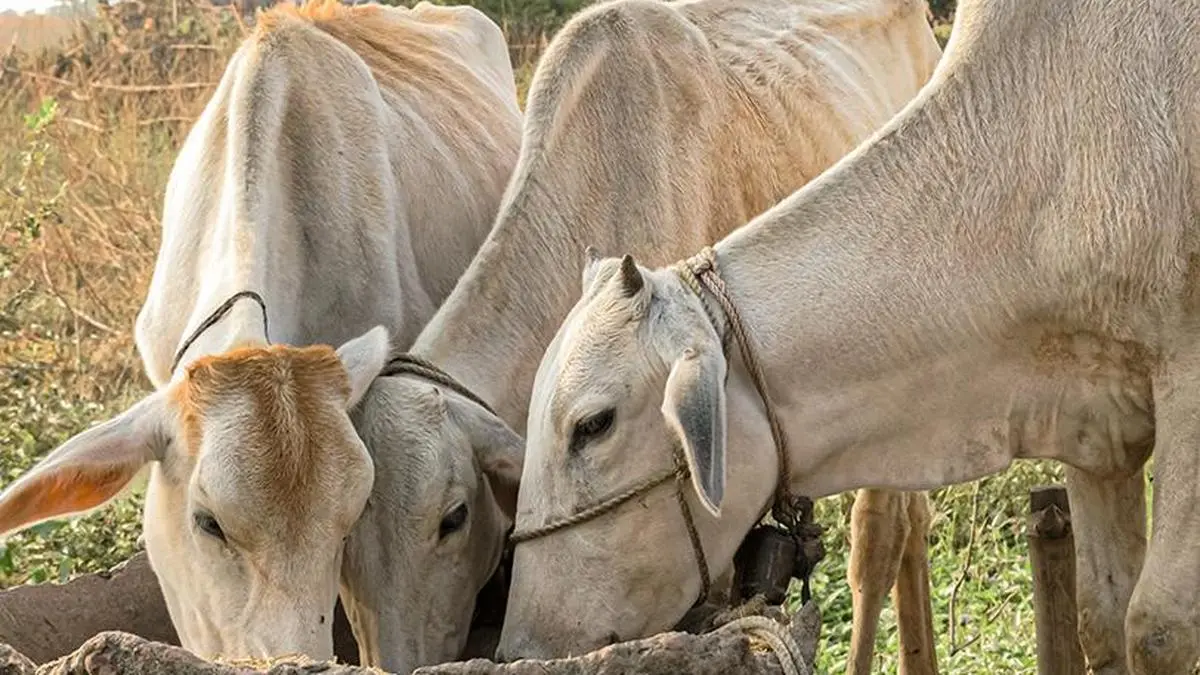
During the scorching summer months, temperatures in northern India, including areas near Delhi, have soared above 40 degrees Celsius. This extreme heat has led to significant challenges for dairy farmers like Neeraj Bharadwaj, who witnessed a 30% drop in milk production on his small farm. The National Dairy Research Institute (NDRI) highlights that heat stress reduces feed intake and diverts energy away from milk production and reproduction, particularly affecting high-yield cattle.

Economic Implications for Farmers

Farmers are incurring additional costs to mitigate heat stress. Bharadwaj invested approximately 200,000 rupees ($2,100) in cooling systems and ventilation for his cattle sheds, with annual maintenance costs adding another 50,000 rupees. Larger dairy operators in states like Punjab have adapted more quickly, treating dairy as a commercial business and investing in advanced cooling and feed management systems.

"Milk production falls by nearly 30% during extreme heat," said Bharadwaj, highlighting the economic strain on small-scale farmers.

Demand and Future Outlook

Despite these challenges, demand for dairy in India is expected to grow, driven by rising incomes and population levels. The government estimates that demand could nearly double by 2050. However, the current heatwave underscores the need for adaptation strategies to sustain production levels.

Year Milk Production (Million Tonnes) Year-over-Year Growth
2013-14 145 -
2023-24 239 64%

Conclusion

The future of India's dairy industry hinges on its ability to adapt to climate challenges. As temperatures continue to rise, the sector must innovate to maintain its position as a global leader in milk production. Upcoming data releases from the USDA and FAO will provide further insights into global dairy trends and potential impacts on the Indian market.

Keep Reading

Recommended Stories

Telangana rice surplus challenge grows as paddy output triples in a decade Commodities

Telangana rice surplus challenge grows as paddy output triples in a decade

Since 2014, Telangana's paddy output has nearly tripled, reaching 1.70 crore tonnes in 2024-25, driven by irrigation expansion and MSP procurement. The resulting surplus, now exceeding 20 lakh tonnes, has prompted a policy paper from PJTAU's C-SAS recommending crop diversification, export development, and procurement rationalisation to manage the growing stockpile.

June 17, 2026
India's Record Rice and Wheat Stocks Bolster Exports Amid El Niño Risks Commodities

India's Record Rice and Wheat Stocks Bolster Exports Amid El Niño Risks

India's government rice and wheat stocks have reached record and five-year highs respectively, providing a strong buffer against potential El Nino-related monsoon disruptions. Traders say the reserves support continued exports, while FAO warns of rainfed crop stress.

June 16, 2026
India’s Soyabean Imports May Touch Record 9 Lakh Tonnes for Oil Year 2025-26 Commodities

India’s Soyabean Imports May Touch Record 9 Lakh Tonnes for Oil Year 2025-26

India’s soyabean imports are projected to hit a record 9 lakh tonnes in the 2025-26 oil year, driven by a domestic supply shortfall. The Soyabean Processors Association of India (SOPA) raised its forecast from an earlier estimate of 6 lakh tonnes, with imports from sub-Saharan Africa filling the gap. Domestic production fell 14% due to weather, pushing soyameal prices up 40% and impacting the feed sector.

June 15, 2026
Bitter Season for Kashmir Honey: Output Plunges on Erratic Weather Commodities

Bitter Season for Kashmir Honey: Output Plunges on Erratic Weather

Erratic weather in Kashmir has caused a sharp decline in honey production this season, reversing a 75% increase over the past three years. Beekeepers report yields down by 70% or more, with premium acacia honey particularly affected. The decline highlights the sector's vulnerability to climate variability despite recent policy support.

June 12, 2026