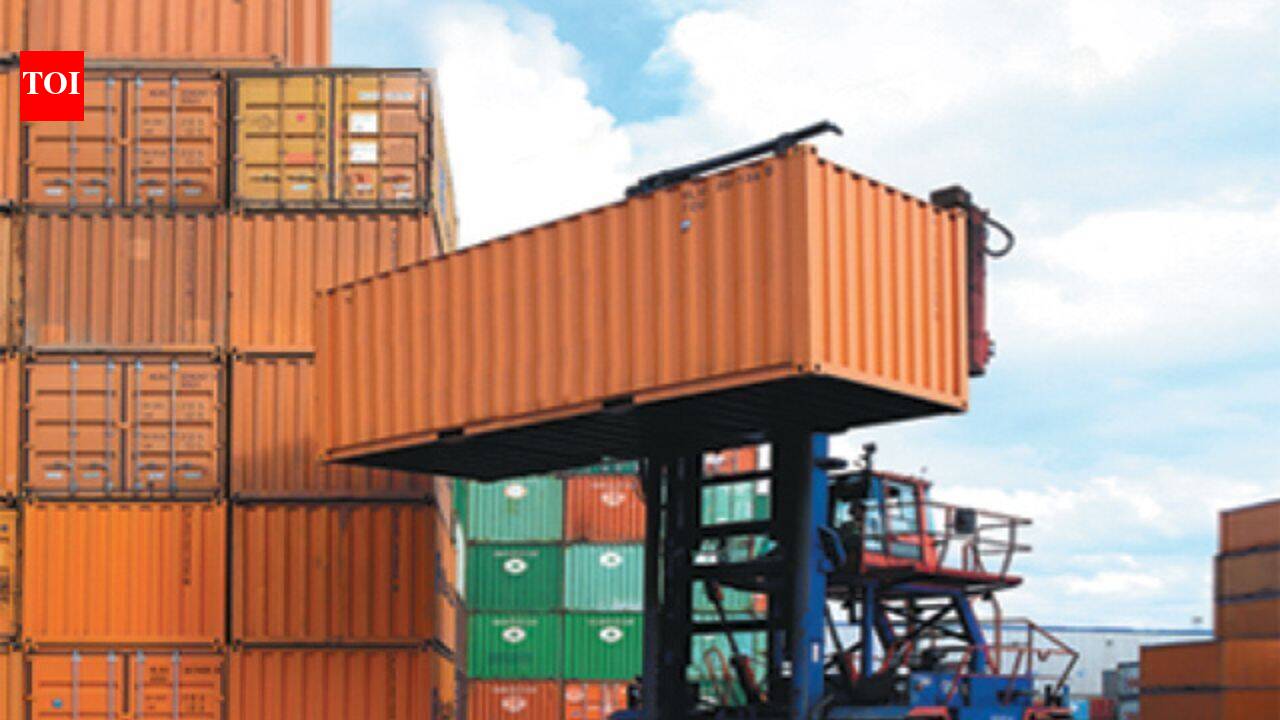
India's exports from special economic zones rose 11.8 per cent in 2025-26, according to the Economic Times, citing data furnished by Minister of State for Commerce and Industry Jitin Prasada in a written reply to the Lok Sabha. The zone network has shown steady expansion since 2021-22, with exports advancing from Rs 9,90,747 crore to Rs 14,63,669 crore (USD 173.07 billion) in 2024-25 before the latest double-digit increase.
SEZ export trajectory
According to the Economic Times, outbound shipments from India's SEZs stood at Rs 14,63,669 crore (USD 173.07 billion) in 2024-25. The parliamentary data shows:
| Year | SEZ exports |
|---|---|
| 2021-22 | Rs 9,90,747 crore |
| 2022-23 | Rs 12.63 lakh crore |
| 2023-24 | Rs 13.55 lakh crore |
| 2024-25 | Rs 14,63,669 crore (USD 173.07 billion) |
Prasada said that to improve utilisation, attract investment and integrate SEZs with domestic supply chains, the government undertakes various steps from time to time to enhance the operational efficiency of these export zones.
Pharmaceutical export growth
In a separate reply, the minister said India's exports of pharmaceutical products increased from USD 15.43 billion in 2014-15 to USD 31.12 billion in 2025-26, a compound annual growth rate of about 6.6 per cent. The Economic Times reported that exports stood at USD 30.27 billion in 2024-25.
Maharashtra is one of the country's leading pharmaceutical exporting states, contributing about 19 per cent of the shipments. The state's exports rose from USD 4.48 billion in 2021-22 to USD 5.94 billion in 2025-26. Principal exporting districts include:
- Pune
- Mumbai
- Thane
- Nashik
- Palghar
- Raigad
- Chhatrapati Sambhajinagar (Aurangabad)
Trade pacts and certificates of origin
Prasada said that as countries and businesses seek reliable and diversified trade partners, free trade agreements can help India secure preferential access to important markets, reduce tariff barriers, and increase the competitiveness of exports. The country has finalised pacts with countries such as the UAE, Australia, the United Kingdom, Oman, New Zealand, and the EFTA bloc.
The government monitors utilisation of preferential tariff benefits under newly operationalised trade agreements signed post 2021 through Certificates of Origin (CoO) and partner-country trade data, the minister said. Key numbers provided to Parliament:
4.45 lakh CoOs issued under the India-UAE pact since its entry into force on May 1, 2022; 2.73 lakh under the Australia pact since December 2022; and 783 under the India-Oman pact since June 1, 2026 — according to the Economic Times.
| Trade pact | Effective/implementation date | Certificates of Origin issued |
|---|---|---|
| India-UAE | Entry into force May 1, 2022 | 4.45 lakh |
| India-Australia | Implementation December 2022 | 2.73 lakh |
| India-Oman | Entry into force June 1, 2026 | 783 |
The Economic Times reported that the operationalisation of FTAs has strengthened India's trade engagement with key partner countries by providing market access, reducing trade barriers, enhancing supply chain linkages and creating new opportunities for Indian exporters across sectors.
For importers, exporters and customs brokers, the CoO figures offer a quantitative gauge of how quickly preferential tariff benefits are being used under newer agreements, while the SEZ and pharmaceutical data identify sectors where the government is concentrating on operational efficiency and market access expansion.
Sources: