The United States is experiencing a significant drawdown of its Strategic Petroleum Reserve (SPR) as the Trump administration releases oil to mitigate supply disruptions caused by the ongoing conflict with Iran. Since the conflict began on February 28, 2026, the US has released approximately 50 million barrels from its emergency reserves.
Strategic Petroleum Reserve Depletion
The SPR, stored in underground salt caverns in Texas and Louisiana, was established to provide a buffer during major energy supply disruptions. According to the US Energy Information Administration, the reserve has shrunk to 365 million barrels, nearing the lowest levels since the 1980s.
- Weekly releases have reached 9.1 million barrels, just shy of the all-time weekly record.
- The reserve's depletion follows significant withdrawals during the Biden administration, which reduced levels from 638 million barrels in early 2021 to 347 million barrels by mid-2023.
Global Impact and Export
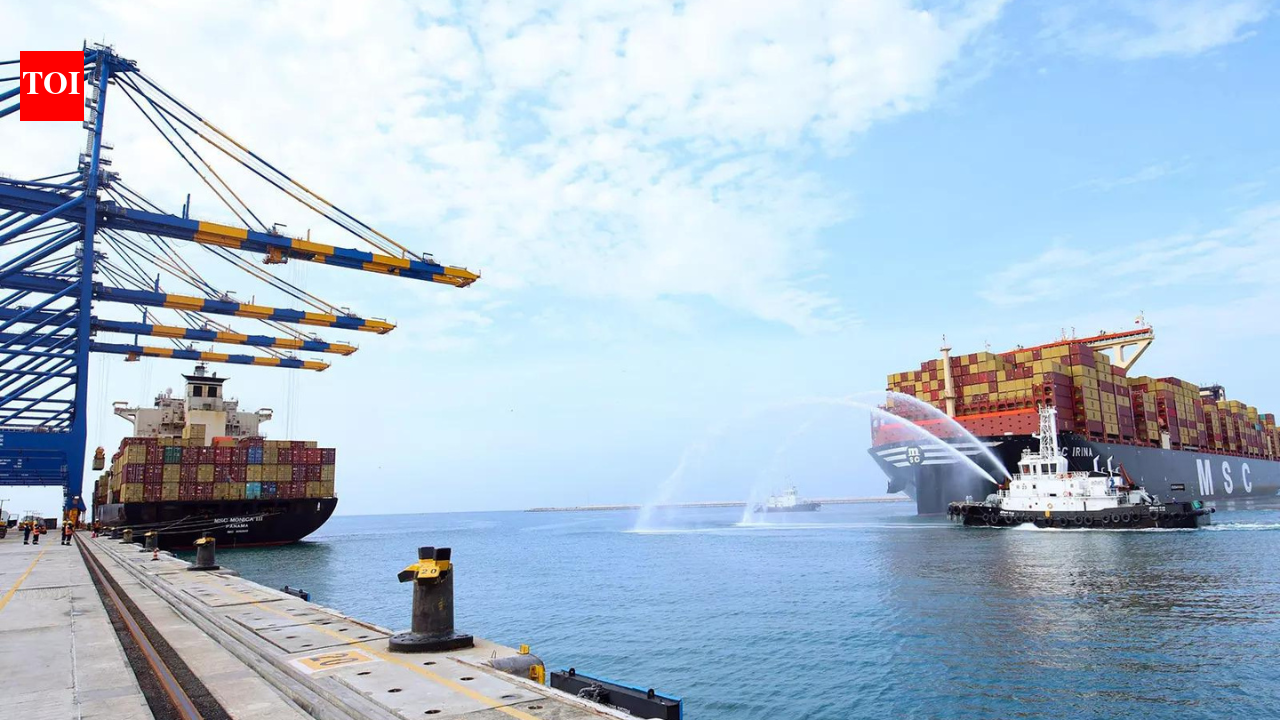
The conflict has disrupted over 1.2 billion barrels of crude supplies, as reported by S&P Global Energy. This has forced countries in Europe and Asia to seek alternative sources, with US crude emerging as a key replacement.
"The US is basically the supplier of last resort. The rest of the world needs that crude," said Matt Smith, lead oil analyst at Kpler.
Approximately half of the crude released in April and May was exported overseas, highlighting the global reliance on US oil.
Political and Economic Implications
The current releases contrast sharply with former President Donald Trump's criticism of Joe Biden for using the SPR to lower fuel prices before elections. The depletion of reserves poses long-term challenges, as every barrel withdrawn will eventually need to be replenished.
| Period | SPR Level (Million Barrels) |
|---|---|
| Early 2021 | 638 |
| Mid-2023 | 347 |
| June 2026 | 365 |
The ongoing depletion underscores the strategic importance of the SPR and the complexities of balancing domestic needs with international obligations.