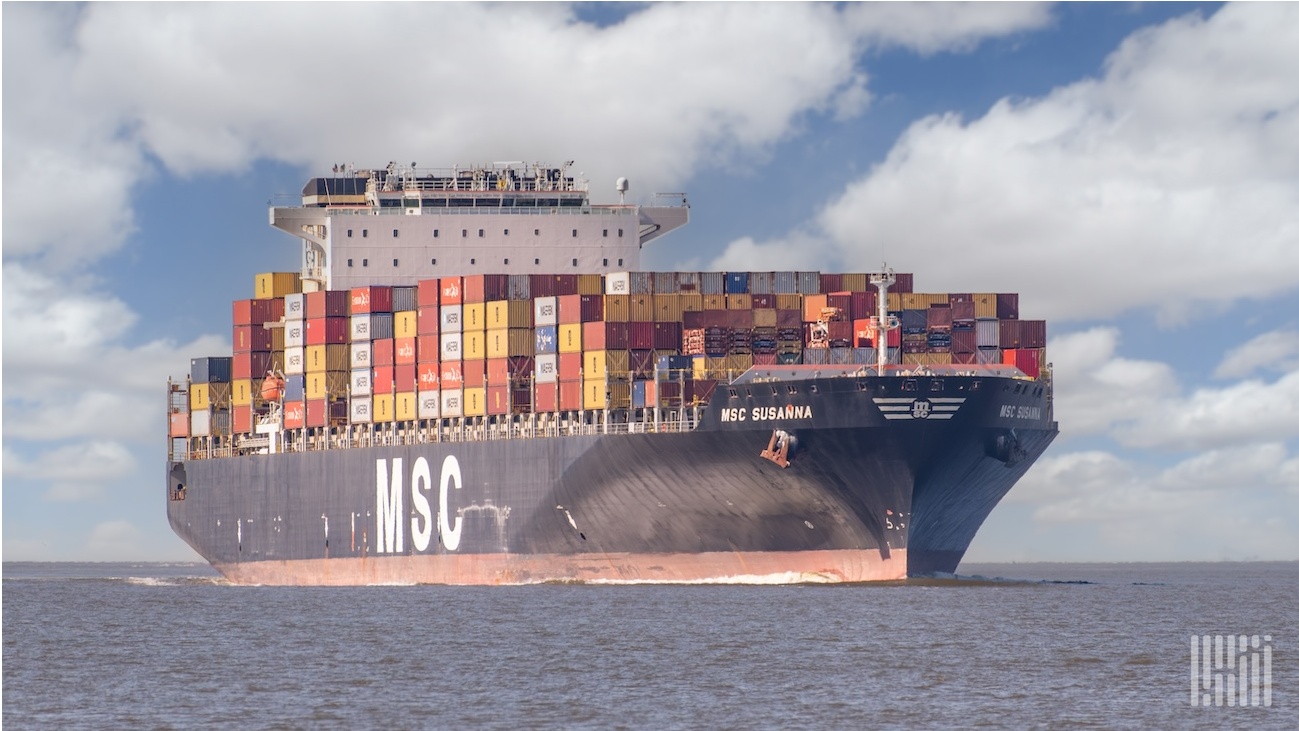
The simultaneous escalation of threats at the Strait of Hormuz and the Bab el-Mandeb chokepoint is creating a dual-crisis scenario for maritime shipping, with crude oil tanker operations already disrupted and war-risk insurance becoming scarce, according to Splash247.
US Military Strikes Iranian-Bound Tanker
US Central Command said a military aircraft struck the smokestack of the unladen, Curaçao-flagged Belma after the vessel ignored repeated warnings while sailing through international waters towards Kharg Island, Iran’s principal crude export terminal. The tanker was disabled and is no longer proceeding towards Iran, according to the report. Two other commercial vessels complied with instructions and were redirected during the first 24 hours after Washington reinstated its blockade of Iranian ports on Tuesday evening.
Iranian Threat and Traffic Slowdown
Tehran’s Revolutionary Guard has threatened to prevent regional energy exports if Iranian cargoes are blocked, declaring that oil and gas would move “for everyone or for no one.” Commercial traffic has again slowed to a trickle, Splash247 reported.
Tanker Deployment and Insurance Chaos
The renewed escalation between the US and Iran is also scrambling tanker deployment. Norwegian broker Fearnleys said war-risk insurance was “back in the melting pot”, where available, making reported freight levels difficult to compare.
“Fujairah and Oman are now back as priority number one in addition to Yanbu of course, where possible additional risk is added as the Houthis have started saber-rattling again,” Fearnleys noted in its latest VLCC report.
Yanbu has become increasingly important as Saudi Arabia shifts crude westwards across the kingdom to avoid Hormuz. Recent shipments from the Red Sea port have averaged around 4 million barrels per day, more than four times year-ago levels, according to Kpler and Signal Ocean data.
| Port | Current Average (bpd) | Year-Ago Average (bpd) | Change |
|---|---|---|---|
| Yanbu | 4 million | ~1 million | +300% |
Houthi Threat to Red Sea Escape Route
That escape route now carries its own threat. A senior Houthi official has warned that Bab el-Mandeb could be closed if regional fighting escalates, raising the prospect of simultaneous disruption at the Middle East’s two key maritime energy exits, Splash247 reported.
Implications for Freight Operators and Shippers
For freight forwarders, ocean carriers, and tanker operators, the converging risks mean:
- Fuel costs could spike as vessels are forced onto longer alternative routes around Africa or through the Suez Canal with elevated war-risk premiums.
- War-risk insurance availability is shrinking, particularly for vessels calling at Iranian ports or transiting Hormuz and the Red Sea.
- Tanker deployment is being scrambled, with priority given to Fujairah, Oman, and Yanbu, but the latter now faces its own Houthi threat.
- Crude supply chains are under pressure as Saudi Arabia depends more heavily on Yanbu, which could be disrupted if Bab el-Mandeb closes.
Watch List
- US-Iran diplomatic talks: Any de-escalation could ease insurance markets and restore traffic flow through Hormuz.
- Houthi actions: Whether the group follows through on its Bab el-Mandeb threat, potentially closing the Red Sea exit.
- Insurance market response: Continued withdrawal of war-risk cover would further disrupt tanker operations.
- Saudi Arabia's shift: Further increases in westbound crude shipments via Yanbu, and possible infrastructure investments to bypass Hormuz entirely.
- International naval response: US and allied patrols in the Gulf and Red Sea may increase, affecting transit times and costs.
Sources: