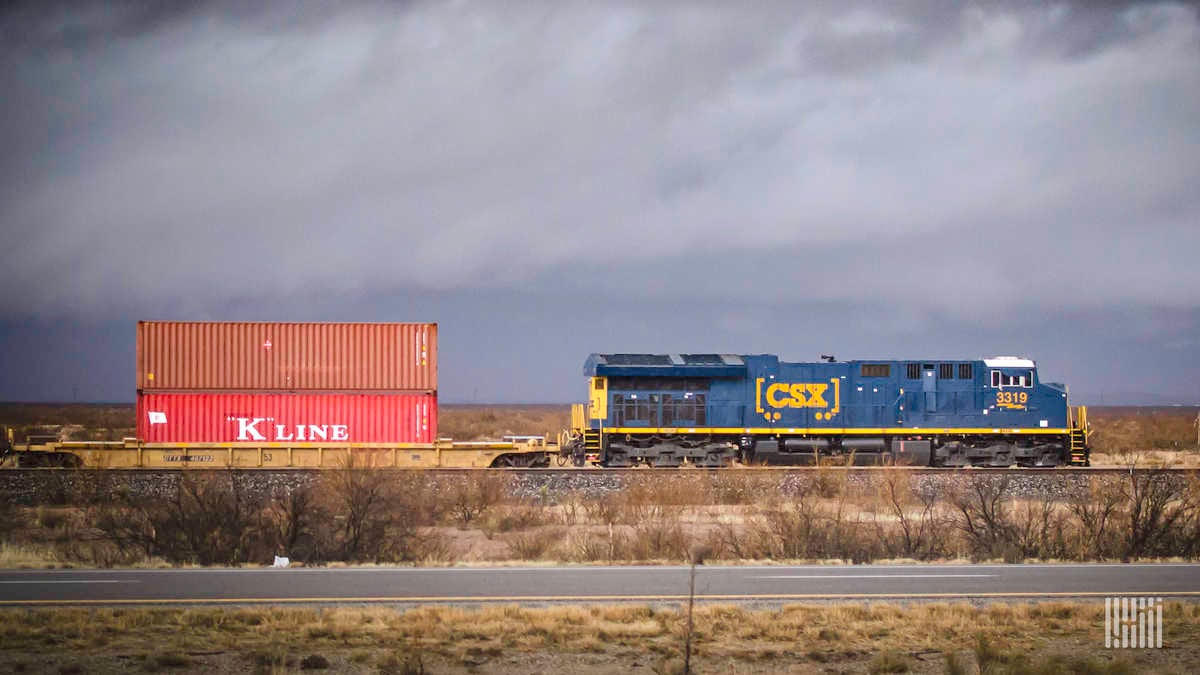
U.S. rail operators saw a 2.5% year-over-year increase in total traffic for the week ending July 25, driven by strong gains in petroleum and metals, according to the Association of American Railroads (AAR).
Rail Traffic Gains Across Commodities
For the week ending July 25, U.S. railroads handled 527,162 carloads and intermodal units, up from the same week in 2025. Carloads totaled 234,100, a 1.4% increase, while intermodal volume reached 293,062 containers and trailers, up 3.5%. Among the 10 carload commodity groups, five posted year-over-year gains. The strongest performers were:
- Petroleum and related products: up 11.8%
- Metallic ores and metals (used in steelmaking): up 9.3%
Two key commodities declined: coal fell 1.6% and chemicals dropped 0.6%.
Year-to-Date Trends
The AAR also reported cumulative U.S. rail volume for the first 29 weeks of 2026. Carloads reached 6,578,325 (up 2.8%), intermodal units 8,124,976 (up 3.7%), and combined traffic 14,703,301 (up 3.3%). Each category shows consistent growth over 2025 levels.
North American Perspective
Looking across the continent, nine reporting U.S., Canadian, and Mexican railroads combined for weekly volume of 339,845 carloads (up 3.8%) and 374,646 intermodal units (up 2.6%), for a total of 714,491 units (+3.1%). Year-to-date North American volume stands at 20,218,112 carloads and intermodal units, a 2.9% gain.
| Metric | Weekly | Y/Y Change | Year-to-Date | Y/Y Change |
|---|---|---|---|---|
| U.S. Carloads | 234,100 | +1.4% | 6,578,325 | +2.8% |
| U.S. Intermodal | 293,062 | +3.5% | 8,124,976 | +3.7% |
| U.S. Combined | 527,162 | +2.5% | 14,703,301 | +3.3% |
| N.A. Combined | 714,491 | +3.1% | 20,218,112 | +2.9% |
Implications for Shippers and Logistics Operators
Freight forwarders and logistics managers should note the continued strength in intermodal traffic, which reflects ongoing demand for containerized goods moving by rail. The surge in petroleum and metals shipments signals robust industrial production, particularly in energy and steel sectors. Conversely, the decline in coal and chemicals may affect capacity on certain corridors. Operators should monitor rail service levels on lanes serving heavy industrial hubs, as rising volumes could tighten capacity on key routes.
Watch List
- Upcoming AAR weekly reports for August to confirm sustained industrial demand.
- Potential shifts in petroleum and metals pricing that could alter rail traffic patterns.
- Intermodal service reliability as volumes grow, especially in peak season.
Sources: