iGEN
Visit IGEN World Explore IGEN Expo
EXPLORE UPGRADE PLANS
BREAKING
Inside the Rogue ChatGPT Hack of Hugging Face: The First Fully-Autonomous AI Attack Landstar Expects to Emerge a Winner After Supreme Court’s Montgomery Ruling Widens Broker Liability New Senate bill targets 'chameleon carriers' that reopen to escape penalties Werner Enterprises Posts Highest Revenue Per Truck Growth in One-Way Segment in a Decade CMA CGM and Stonepeak Launch United Ports LLC in $2.4 Billion Terminal Joint Venture UPS shift away from Amazon shows bigger payoff Lanesurf: 62% of Loads Get Vetted Carrier Offers Before Brokers Arrive India-China Border Trade Via Lipulekh Resumes Aug 1; China Permits 20 Traders Geopolitics Drives CMA CGM Q2 Profit Surge of 42% as Volumes and Rates Climb Benchmark Diesel Price Rises Third Week as Futures Plunge; Spread Hits Record Inside the Rogue ChatGPT Hack of Hugging Face: The First Fully-Autonomous AI Attack Landstar Expects to Emerge a Winner After Supreme Court’s Montgomery Ruling Widens Broker Liability New Senate bill targets 'chameleon carriers' that reopen to escape penalties Werner Enterprises Posts Highest Revenue Per Truck Growth in One-Way Segment in a Decade CMA CGM and Stonepeak Launch United Ports LLC in $2.4 Billion Terminal Joint Venture UPS shift away from Amazon shows bigger payoff Lanesurf: 62% of Loads Get Vetted Carrier Offers Before Brokers Arrive India-China Border Trade Via Lipulekh Resumes Aug 1; China Permits 20 Traders Geopolitics Drives CMA CGM Q2 Profit Surge of 42% as Volumes and Rates Climb Benchmark Diesel Price Rises Third Week as Futures Plunge; Spread Hits Record
Home ›› Logistics ›› Shipping Freight ›› Tankers Lng ›› Iran Primes Houthis to Shut Bab el-Mandeb, Risking Global Shipping Disruption

Iran Primes Houthis to Shut Bab el-Mandeb, Risking Global Shipping Disruption

Iran has reportedly asked Yemen's Houthi movement to prepare to close the Bab el-Mandeb Strait if the US attacks Iranian power infrastructure. Missiles and drones have been deployed near the strategic waterway, according to sources. The move threatens to choke a critical chokepoint for global trade, forcing further diversions around Africa and driving up freight costs.

iG
iGEN Editorial
July 17, 2026
Iran Primes Houthis to Shut Bab el-Mandeb, Risking Global Shipping Disruption

The risk of a renewed Red Sea shipping crisis has escalated as Iran reportedly primes Yemen’s Houthis to close the Bab el-Mandeb Strait, threatening to choke a critical chokepoint for global oil and container trade.

Three sources told Reuters that the proposal has been discussed by Iran’s leadership and conveyed to the Houthis. A source close to the Yemeni group claimed missiles and drones have already been deployed near the strategic waterway, and the group is awaiting an order to begin targeting shipping, according to Splash247.

Oil Export Chokepoint

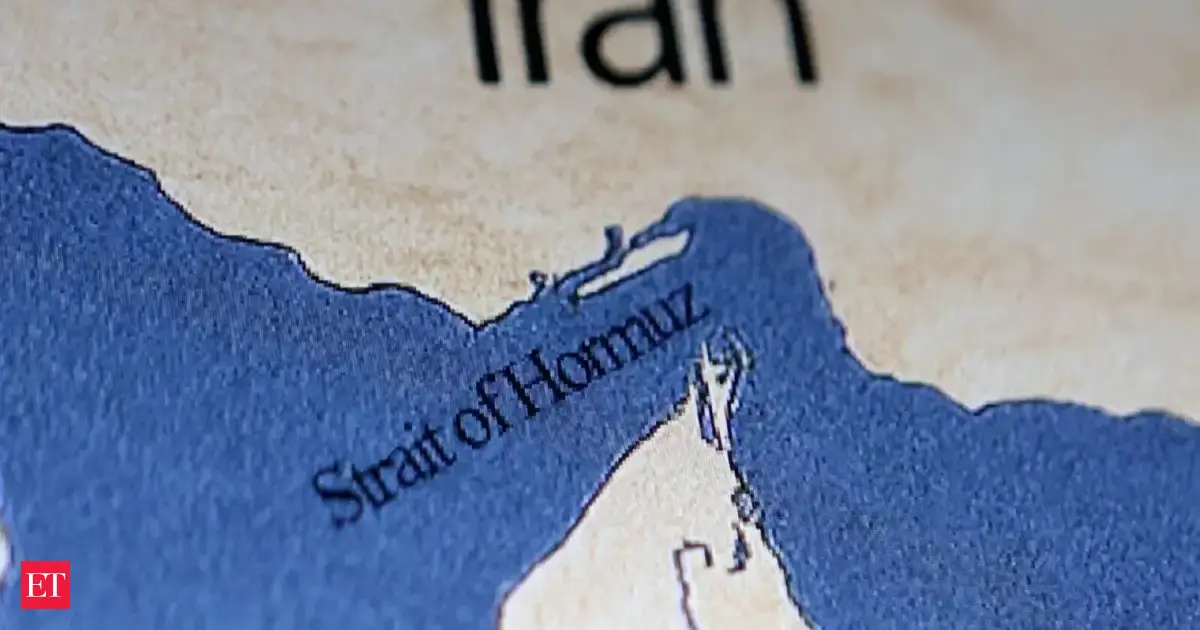
With the Strait of Hormuz already effectively shut, Bab el-Mandeb has become the principal release valve for Gulf oil exports, particularly for Saudi Arabia. Riyadh has increasingly relied on its East-West Pipeline to move crude from the Gulf coast to Yanbu on the Red Sea, bypassing Hormuz. Shipping analysts at Scandinavian bank SEB said Saudi exports through Yanbu are currently running at between 4m and 4.5m barrels per day, close to the practical limits of the pipeline’s export capacity. “The Red Sea matters here because it is currently the release valve for Hormuz,” SEB noted.

Those barrels must pass through Bab el-Mandeb to reach Asian buyers. If the Houthis resume attacks or attempt to close the strait, Saudi Arabia would lose its direct eastern route at the same time as Hormuz remains inaccessible.

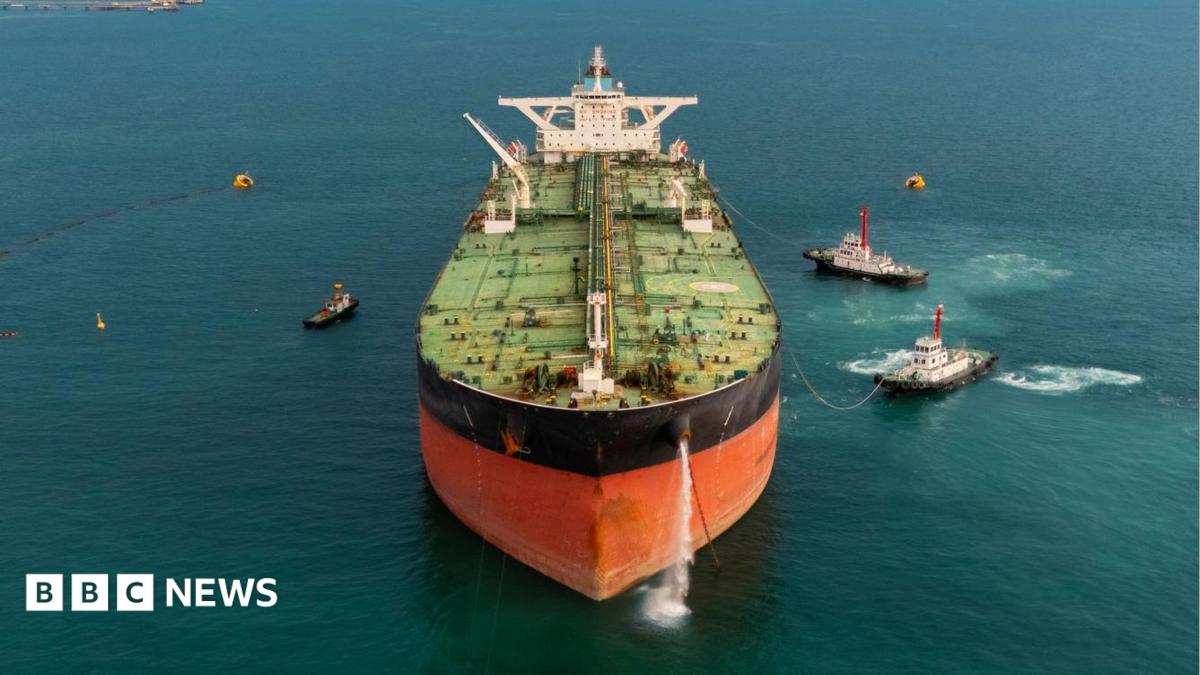
The crude would not be completely stranded. Cargoes could move north through the Suez Canal and SUMED pipeline into the Mediterranean before continuing towards the Atlantic or sailing around the Cape of Good Hope. However, the alternative is highly inefficient. Fully laden VLCCs cannot transit the Suez Canal, meaning cargoes would need to be partially discharged at Ain Sukhna, moved through SUMED and reloaded at Sidi Kerir.

Freight Rate Implications

SEB expects tanker rates to spike initially as the market prices in the longer voyages, operational complexity and reduced effective vessel supply. Over time, however, the effect could reverse. A prolonged closure would likely send oil prices sharply higher, eventually curbing consumption and reducing cargo volumes. Against a growing tanker fleet, that could leave the market oversupplied and pull freight rates lower.

The wider shipping impact would extend far beyond oil. Bab el-Mandeb is the southern gateway to the Red Sea and Suez Canal, carrying containerised goods, dry bulk commodities and energy cargoes between Asia and Europe. During the Houthi campaign that began in late 2023, most major shipping lines rerouted vessels around southern Africa, adding thousands of miles to voyages and driving up freight costs, fuel consumption and insurance premiums.

A renewed campaign would almost certainly accelerate diversions around the Cape of Good Hope and delay hopes for a broader return to the Red Sea.

Geopolitical Context

The threat is underlined by the collapse of a four-year truce between Saudi Arabia and the Houthis, with the group firing missiles at the kingdom after accusing Riyadh of attacking a Houthi-controlled airport, according to Splash247.

Watch List

  • US-Iran tensions: Any US military action against Iranian power infrastructure could trigger the Houthi response.
  • Saudi-Houthi truce: Further breakdown could lead to immediate attacks on shipping.
  • Tanker market dynamics: SEB’s analysis suggests initial rate spikes may give way to oversupply if oil demand falls.
  • Container lines: Expect continued Cape of Good Hope diversions; any return to Red Sea transit delayed.

Sources: Splash247 Maritime
Keep Reading

Recommended Stories

Container Ship Attacked in Strait of Hormuz as Iran Widens War, Disrupting Global Trade Logistics

Container Ship Attacked in Strait of Hormuz as Iran Widens War, Disrupting Global Trade

Iran attacked the container ship GFS Galaxy in the Strait of Hormuz, setting it afire and forcing crew to abandon ship. Iran declared the strait closed to vessel traffic and expanded missile/drone attacks on several Gulf states. Energy prices surged, and Maersk's planned Suez restart is threatened.

July 13, 2026
Strait of Hormuz Operations at Risk as Iran-Oman Toll Plan Threatens Global Oil and LNG Flows Logistics

Strait of Hormuz Operations at Risk as Iran-Oman Toll Plan Threatens Global Oil and LNG Flows

Iran and Oman are considering charging ships for transit through the Strait of Hormuz, a vital chokepoint for about one-fifth of global oil and LNG trade. The move follows a months-long blockade triggered by conflict, and despite a June 17 MoU that reopened the strait, attacks on vessels continue. The legal status of such tolls is disputed, with the US warning of 'total chaos'.

June 30, 2026
Hormuz Ceasefire Collapses After US-Iran Strikes, Tanker Hit Leaves 3 Missing Logistics

Hormuz Ceasefire Collapses After US-Iran Strikes, Tanker Hit Leaves 3 Missing

The fragile ceasefire in the Strait of Hormuz has completely broken down following fresh US-Iran attacks. A US strike on the product tanker Settebello off Oman left three seafarers missing and one injured, while Iran claimed strikes on two tankers. The IMO condemned the attacks, reporting 43 verified incidents since late February.

June 14, 2026
Oil, LNG, Fertilisers and Diamonds at Risk from Iran's Wider Blockade Threat Beyond Strait of Hormuz Trade

Oil, LNG, Fertilisers and Diamonds at Risk from Iran's Wider Blockade Threat Beyond Strait of Hormuz

Iran's Islamic Revolutionary Guard Corps (IRGC) has warned it could expand efforts to disrupt regional trade beyond the Strait of Hormuz, threatening oil, LNG, fertilisers and diamond supply chains. The Strait carries nearly 20 million barrels per day of crude and petroleum products, and over 90% of Qatar and UAE's LNG exports. Diamonds routed through India and UAE for cutting and polishing face disruption, along with petrochemicals and food shipments.

July 15, 2026