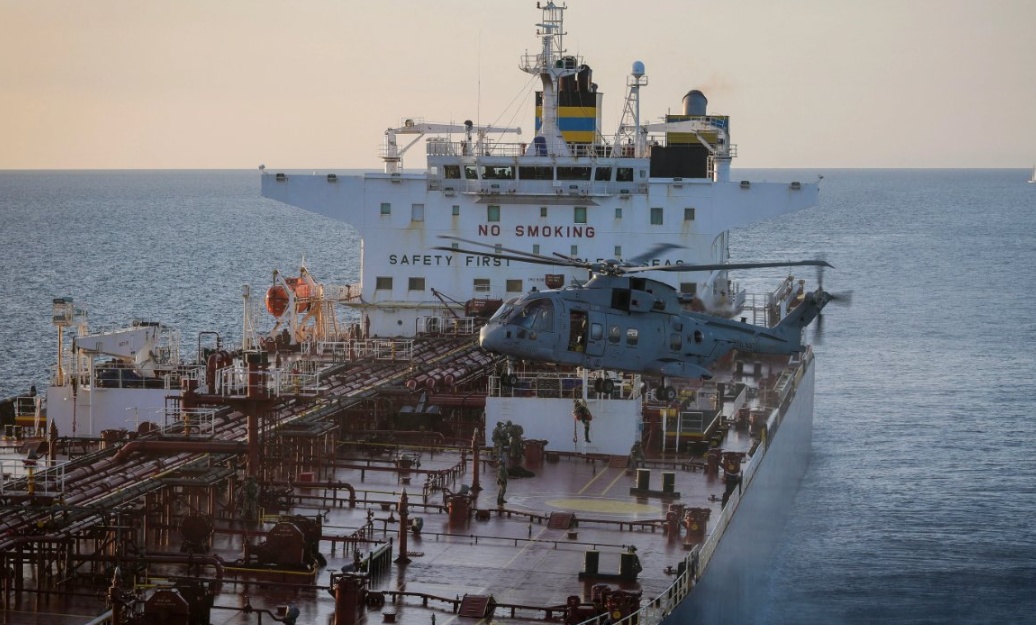
British forces have carried out their first-ever seizure of a Russian shadow fleet tanker, boarding the sanctioned vessel Smyrtos in the English Channel during a six-hour operation that culminated in the arrest of a seafarer on suspicion of sanctions offences, according to Splash247. The operation marks a significant escalation in enforcement against Russia's shadow fleet, which the UK government estimates comprises more than 700 vessels responsible for transporting around 75% of the country's sanctioned oil exports.
Operation Details and Immediate Effects
The Smyrtos has since been moved to an anchorage off England's south coast, where it remains under investigation. An Indian national was arrested and taken into custody for questioning, while 24 Georgian and Indian crew members remain onboard. This is the first use of powers announced by Prime Minister Keir Starmer in March, allowing British forces and law enforcement officers to board sanctioned shadow fleet vessels transiting UK waters. Other European nations, notably France, have carried out similar operations this year, Splash247 reported.
The detention of the Smyrtos appears to have had an immediate impact on tanker movements. Several sanctioned tankers altered course to avoid approaching the English Channel after news of the seizure emerged, according to the report. Starmer said the action delivered "yet another blow to Russia" and showed those fuelling Vladimir Putin's war in Ukraine "cannot hide."
Moscow's Response and Security Concerns
The seizure has prompted a furious reaction in Moscow. Dmitry Rogozin, a Russian senator and former representative to NATO, suggested Russia should equip shadow fleet tankers with explosives as a deterrent against future interdictions. "We need to mine the tankers we use," Rogozin said, proposing charges could be detonated if vessels were seized in foreign ports. He added that "a couple of explosions" and resulting oil spills would make Western navies "change their minds." This extreme rhetoric raises the stakes for any further interdictions and introduces a new dimension of risk for crews and the marine environment.
Implications for Shipping Operations
For freight forwarders, logistics managers, and ocean carriers, the boarding operation signals an increased enforcement posture against shadow fleet activity in European waters. The UK government has now sanctioned almost 600 vessels linked to Russia's shadow trade. The rerouting of sanctioned tankers away from the English Channel could shift congestion risk to alternative routes, such as the North Sea or the Atlantic approaches. Shippers relying on tanker capacity for refined oil or LNG should monitor route changes that may affect transit times and insurance costs. Crew safety is also a concern given Russia's suggestion of arming vessels, though no immediate implementation has been reported.
| Key Fact | Detail |
|---|---|
| Boarded vessel | Smyrtos (Russian shadow fleet tanker) |
| Operation duration | Six hours |
| Crew status | 24 Georgian and Indian crew onboard; one Indian arrested |
| UK shadow fleet estimate | Over 700 vessels |
| UK sanctions | Nearly 600 vessels linked to shadow trade |
| Russian response | Senator Rogozin suggests equipping tankers with explosives |
Watch List
- Further interdictions by UK or European navies in the English Channel or other strategic chokepoints.
- Actual implementation of Russia's threat to arm shadow fleet vessels, which could escalate maritime security risks.
- Rerouting patterns of other sanctioned tankers and potential port congestion in alternate regions.
- Reactions from the International Maritime Organization (IMO) and marine insurers on coverage for vessels near high-risk zones.
The operation and Moscow's response highlight the growing volatility in maritime security, directly impacting operational planning for any entity moving cargo through European waters.
Sources: